
Tuberculosis can affect any part of the body, not just the lungs, warns Rwandan Health Expert
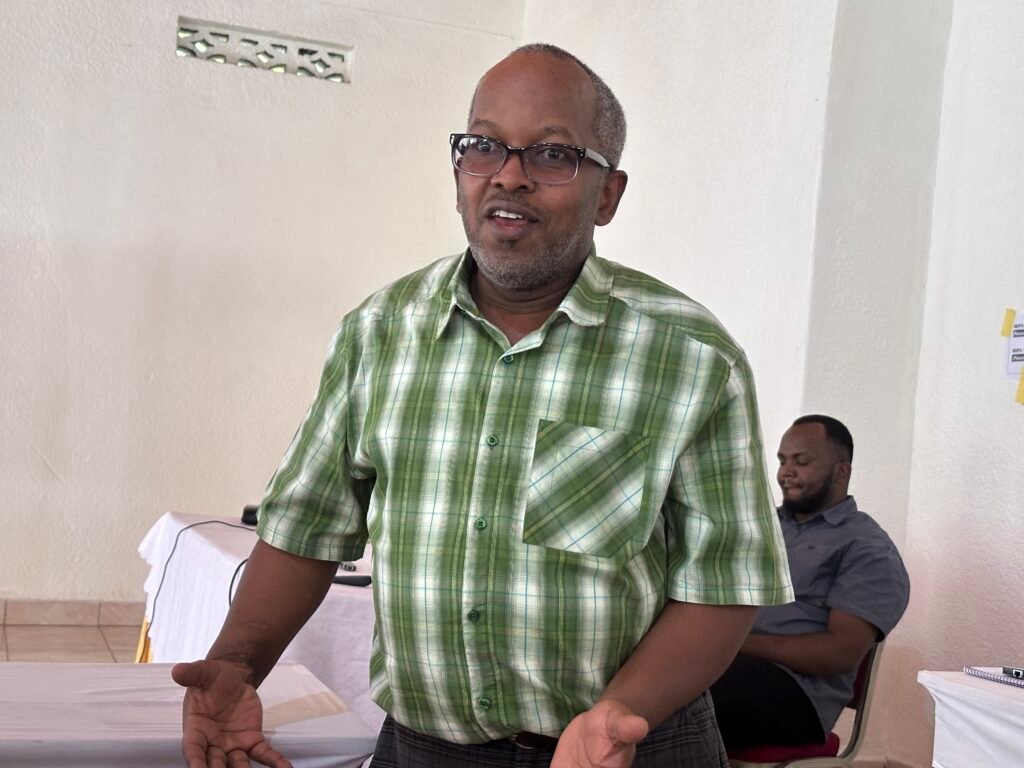
Dr. Yvès Habimana Mucyo, Head of the Tuberculosis Control Division at the Rwanda Biomedical Centre (RBC), says tuberculosis is not limited to the lungs and can affect virtually any organ in the body.
Rwanda, Tuberculosis (TB), a contagious disease commonly associated with the lungs, can affect virtually any organ in the human body, according to Dr. Yvès Habimana Mucyo, Head of the Tuberculosis Control Division at the Rwanda Biomedical Centre (RBC).
Although pulmonary tuberculosis remains the most common form of the disease, health experts say the bacteria responsible for TB can spread through the bloodstream and infect other organs, including the lymph nodes, bones, and reproductive system.
“Many people believe tuberculosis only affects the lungs or bones, but that is not true,” Dr. Habimana told The Bridge Magazine.
“The swollen lymph nodes people often notice may actually be caused by tuberculosis. The disease can also affect the reproductive organs. Once the Koch bacillus reaches the lungs, it can travel through the bloodstream to other parts of the body. Wherever it settles, it can cause disease. In some organs, the bacteria may remain dormant because the body’s immune system keeps them under control,” he explained.
Tuberculosis is caused by Mycobacterium tuberculosis, also known as the Koch bacillus. It spreads through the air when an infected person coughs, sneezes, speaks, sings, or breathes, releasing bacteria that can be inhaled by others.
TB remains a public health challenge
According to the Rwanda Biomedical Centre, tuberculosis continues to disproportionately affect people living in developing countries, where factors such as malnutrition, overcrowded living conditions, and limited awareness contribute to its spread.
In Rwanda, the highest number of TB cases is recorded among people aged 15 to 44 years.
Despite continued progress in prevention and treatment, the disease remains deadly. In 2024, tuberculosis caused 2.4 deaths per 100,000 population.
Treatment outcomes, however, have improved considerably. Approximately 96% of children under five diagnosed with TB recover, largely because caregivers ensure they complete their medication. Among patients co-infected with TB and HIV, the treatment success rate stands at 84%.
Recognizing the Symptoms
Dr. Habimana encourages people to seek medical attention immediately if they experience symptoms consistent with tuberculosis.
Warning signs include:
• A cough lasting more than two weeks;
• Night sweats;
• Fever;
• Chills;
• Chest pain;
• Loss of appetite;
• Unexplained weight loss; and
• Swollen lymph nodes.
Early diagnosis significantly improves treatment outcomes and reduces transmission within communities.
A survivor’s story
Eric Usengumuremyi knows firsthand how difficult tuberculosis can be to diagnose.
Speaking to The Bridge Magazine, he recalled falling ill in 2014 and visiting several health facilities before doctors finally identified tuberculosis as the cause of his illness.
“I kept losing weight every day, and my skin became unusually pale, almost like someone suffering from severe anemia,” he recalled. “Surprisingly, I never developed the persistent cough that many people associate with TB.”
His father eventually took him to Kabgayi Hospital, where imaging tests confirmed advanced tuberculosis.
“Doctors wanted to admit me to the hospital, but although I was seriously ill, I still had enough strength because it was my first major illness and my immune system was still relatively strong. Every morning for six months, I reported to the hospital to take my medication under medical supervision. After completing treatment, doctors confirmed that I had fully recovered.”
Looking back, Eric believes he contracted the disease from a classmate with whom he shared a desk at school.
“I thank God that I did not infect my parents or siblings, even though we lived together and shared meals as usual. Once I was diagnosed, I was isolated during treatment,” he said.
Diagnostic technology improves detection
Rwanda has significantly strengthened its capacity to diagnose tuberculosis.
According to Dr. Habimana, older diagnostic methods detected only about 48% of TB cases. The introduction of GeneXpert technology has increased diagnostic accuracy to approximately 98%, allowing health workers to identify cases much earlier.
The country currently operates 91 GeneXpert machines across 86 testing sites, including five private hospitals such as La Croix du Sud Hospital, commonly known as Kwa Nyirinkwaya.
In public health facilities across Rwanda, both tuberculosis testing and treatment are provided free of charge, helping to ensure timely diagnosis and improve access to lifesaving care.
Health experts emphasize that eliminating tuberculosis depends not only on advanced diagnostic technologies but also on public awareness, early screening, and strict adherence to treatment. Anyone experiencing symptoms is encouraged to visit the nearest health facility promptly, as early detection remains the most effective way to prevent transmission and save lives.
About Author