
Eastern province targets 40 million trees, with schools at the heart of climate action
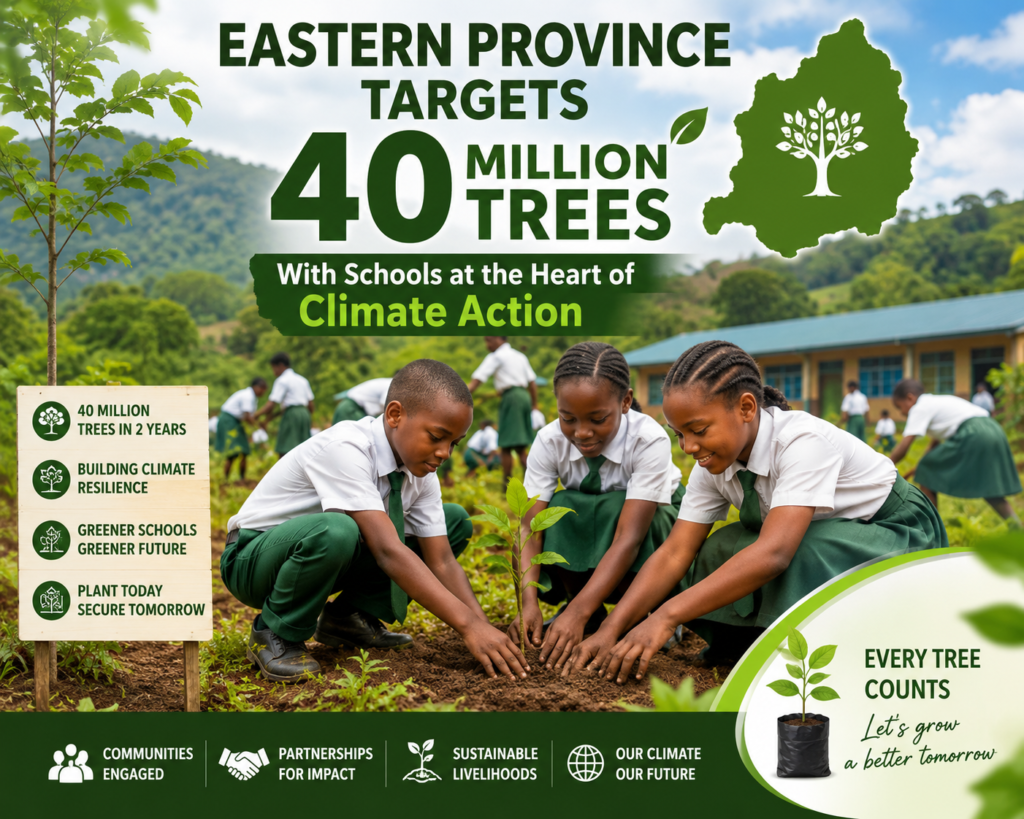
The Eastern Province has set an ambitious target of planting 40 million trees over the next two years, with schools expected to play a key role in nurturing a new generation of children committed to environmental conservation and climate action.
The initiative is part of efforts to strengthen the province’s resilience to climate change through tree planting, agroforestry, sustainable agriculture and environmentally friendly investments.
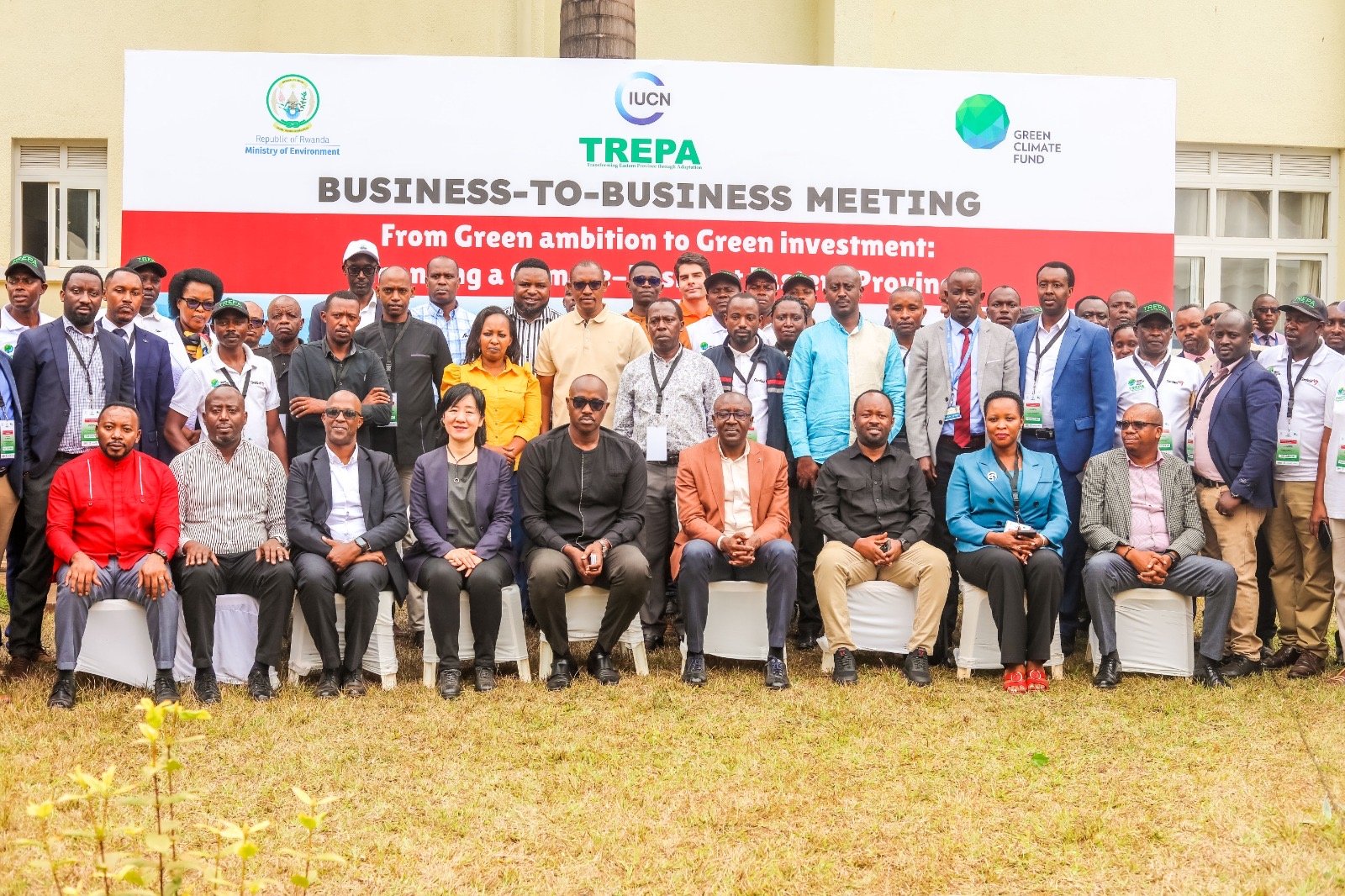
The call was made during a meeting held at the Eastern Province Garden in Rwamagana District, bringing together partners involved in the TREPA (Transforming the Eastern Province through Adaptation) project.
TREPA brings together development partners, financial institutions, agricultural and livestock cooperatives and other stakeholders to promote climate-resilient livelihoods and environmentally sustainable investments across the Eastern Province.
Schools to become centres of environmental education
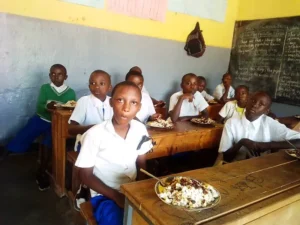
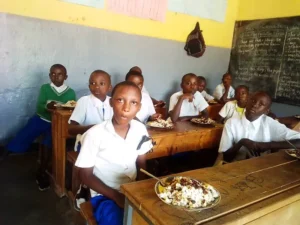
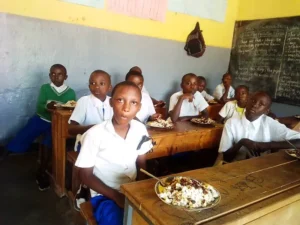
Governor of the Eastern Province Pudence Rubingisa said schools should not only be places where children learn about environmental protection in theory, but also spaces where they can actively participate in conservation activities.
He said tree nurseries should be established at schools so that children can learn to grow and care for trees from an early age.
“Schools have already developed a strong culture of growing fruits and vegetables, and some have performed exceptionally well. So, alongside the vegetables, let us also establish tree nurseries and spread them across schools.”
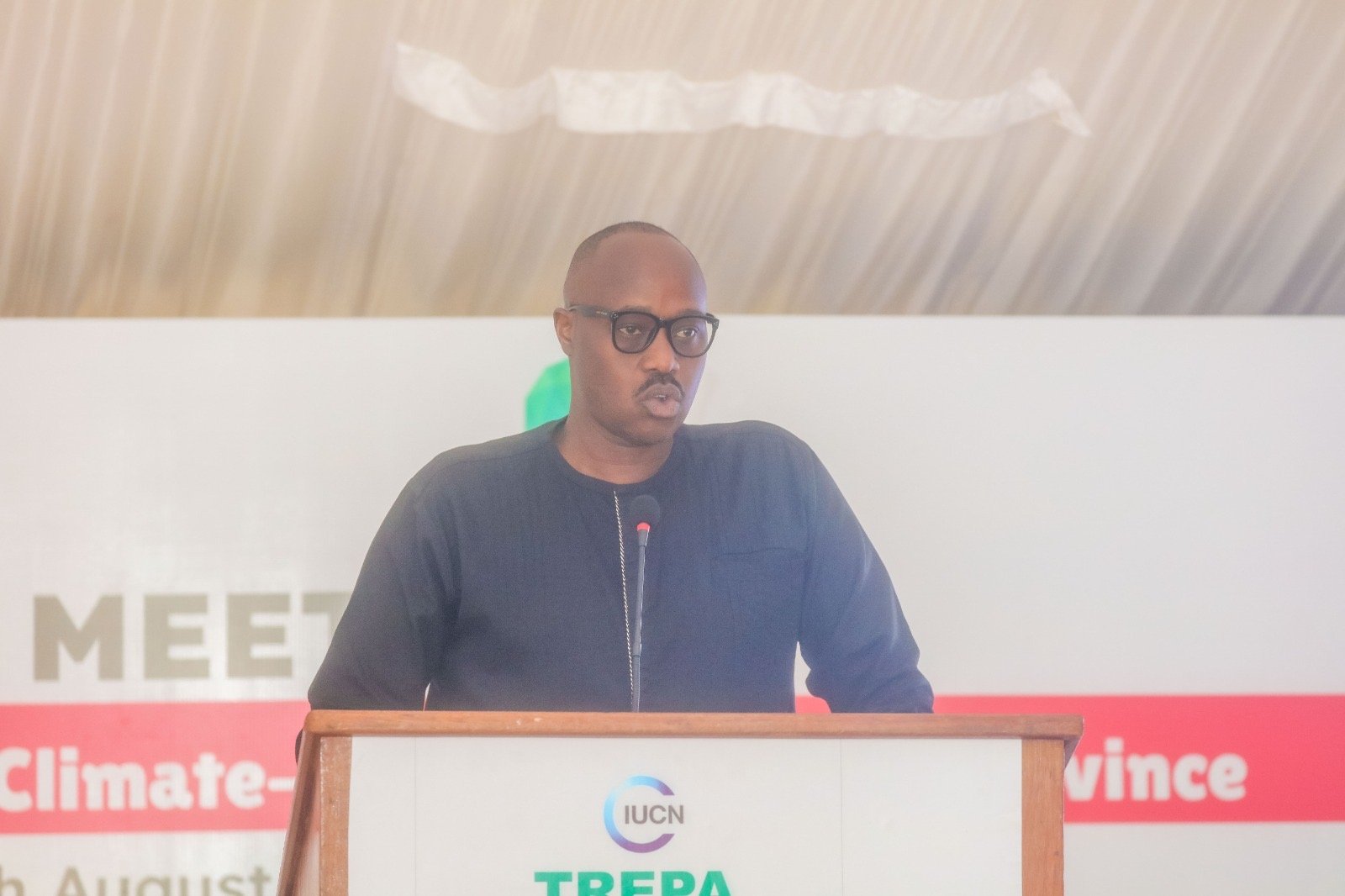
Governor Rubingisa said the initiative would help children grow up understanding the importance of protecting the environment while also contributing to greener and healthier school surroundings.
He noted that the province faces climate challenges, including high temperatures and periods of insufficient rainfall.
“You know that our province often experiences intense sunshine, and sometimes rainfall is limited. The solution the Government has put in place is to work together with different partners, particularly on afforestation.”
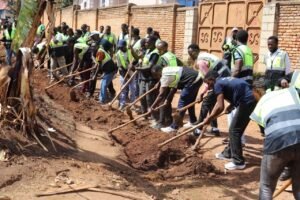
According to Rubingisa, the province is promoting tree planting in public and community forests, as well as agroforestry, where trees are integrated with crops and fruit production.
He said the approach can contribute not only to climate adaptation and environmental protection, but also to improved food and nutrition security.
Farmers benefiting from climate-smart practices
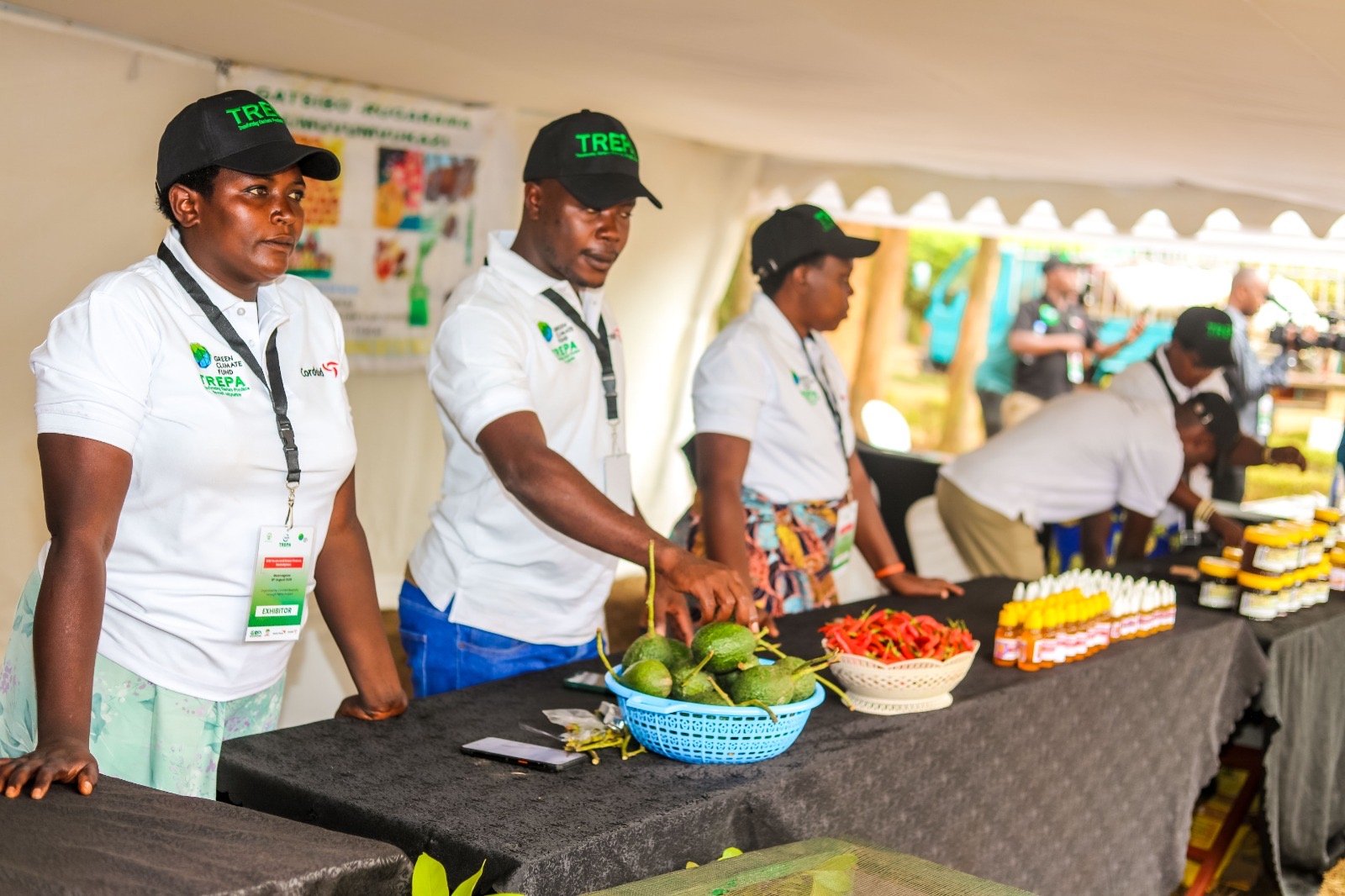
Communities involved in the TREPA project say they have already started benefiting from training and support aimed at helping them adopt environmentally sustainable practices.
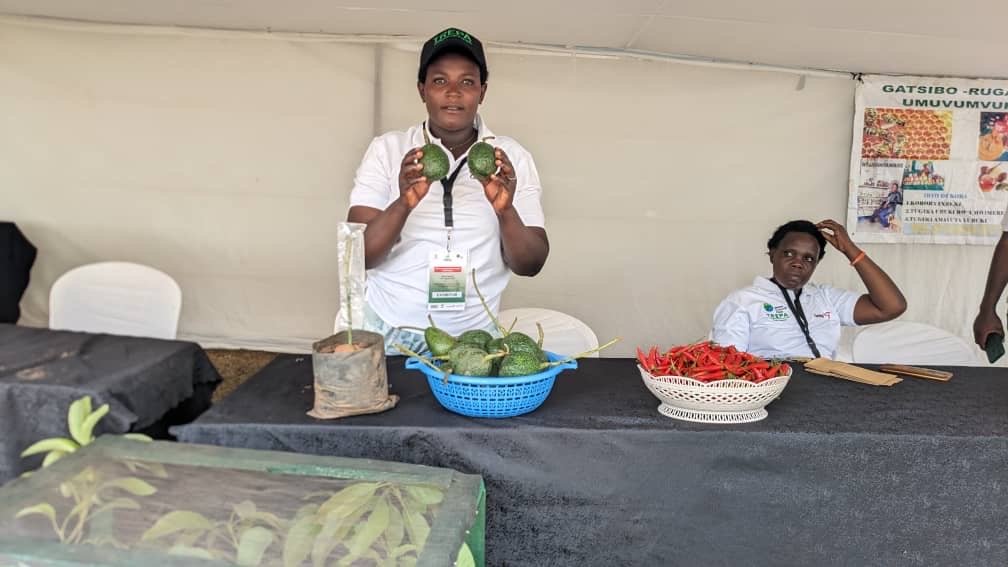
Musabende Delphine, from Rweru Cell in Munyaga Sector, said TREPA helped her group understand how to work with financial institutions and develop projects capable of generating income.
The group has since evolved into a cooperative producing and selling avocado and mango seedlings.
“We started as a group, but we are now a cooperative. We produce seedlings and sell them to generate income for our development. We also encourage people to plant trees because they play an important role in protecting our climate.”
Nzeyimana Jean Bosco, from Murama Sector in Ngoma District, said the project had equipped communities with knowledge on planting trees and establishing forests while protecting the environment.
He said community members have also been planting trees along roads and encouraging children to protect trees and avoid damaging them.

Building climate resilience through partnerships
Birasa Patrick, Director of ColdAid Rwanda, one of the organizations involved in TREPA, said building climate resilience requires continuous learning and collaboration among communities, farmers and financial institutions.
He explained that TREPA initially worked with financial institutions to improve access to credit, savings and insurance before extending support to farmers.
“We started by working with financial institutions on lending, savings and insurance, and then moved to the farmers to understand their level of knowledge and how they apply it in practice. When farmers begin cultivating their land, they are encouraged to integrate trees with crops.”
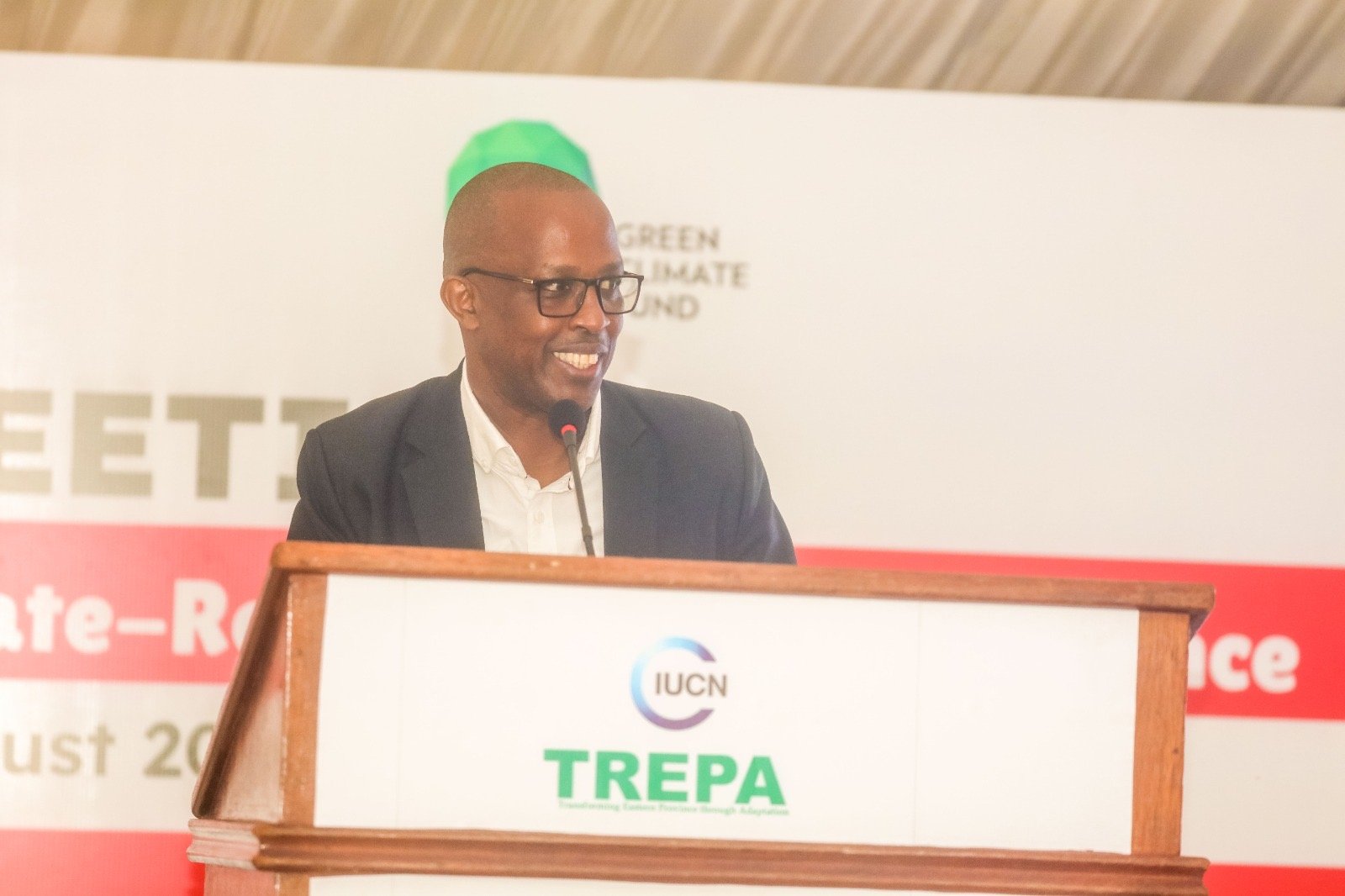
The approach is intended to ensure that climate action also generates economic opportunities for communities, particularly through sustainable agriculture, tree planting and agroforestry.
A long-term investment in climate action
Governor Rubingisa acknowledged that achieving the province’s ambitious tree-planting target will require sustained efforts from communities, schools, local authorities and development partners.
He said the province is also working to increase agricultural productivity per hectare while expanding environmentally friendly investments.
The 40 million-tree target over the next two years is therefore expected to become an important component of the Eastern Province’s efforts to address climate change, restore ecosystems and strengthen the resilience of communities.
By placing schools at the centre of the initiative, the province also hopes to ensure that climate action becomes part of children’s everyday learning and experience—helping to raise a generation that understands that protecting the environment is not only a responsibility for today, but an investment in the future.
About Author