
“One Thing Can Work in One Continent but Not Another”: Rwandan Journalist Immaculée Mukazayire on Building a Respected Media Voice
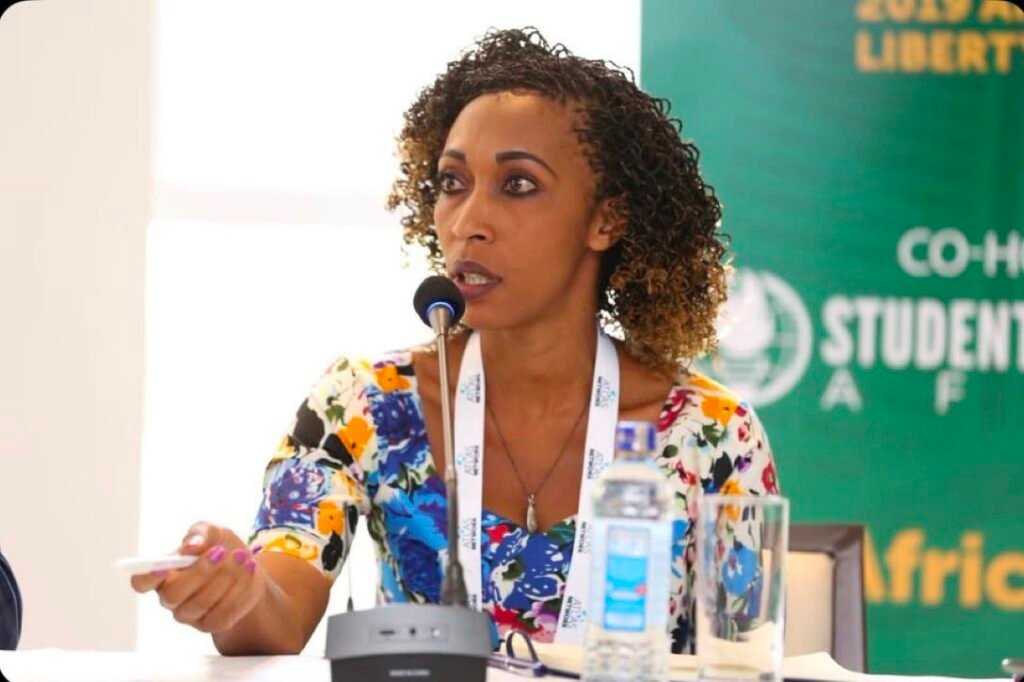
NAIROBI, Kenya — “One thing can work in one continent but not another. The main thing is to know where you are and what you can do to make a change and difference in your country.”
Those words from Rwandan journalist and media entrepreneur Immaculée Mukazayire captured one of the central messages she brought to the 2019 Africa Liberty Forum in Nairobi: that building a respected media voice begins with understanding the people, realities, and environment a journalist serves.
Mukazayire was invited by Atlas Network to speak at its 2019 Africa Liberty Forum, held August 22–23 at the Crowne Plaza Nairobi in Kenya. According to the formal invitation signed by Atlas Network Chief Executive Officer Brad Lips, she was invited to lead a session titled “Building A Respected Voice in the Media” on Friday, August 23, 2019.
The forum brought together people from across Africa to discuss challenges facing the continent and exchange ideas on how to advance effective reforms and strengthen their work.
At the time of the forum, Mukazayire had already spent several years working in journalism and media, having begun her professional journalism career in 2015. Her experience gave her a practical perspective on the challenges of building a media platform that audiences can trust.
During the discussion, Mukazayire emphasized that media strategies cannot simply be copied from one country or continent and expected to produce the same results somewhere else.
Her point was straightforward: context matters.
A media organization may succeed with a particular approach in one part of the world, she argued, while the same strategy may fail elsewhere because audiences, cultures, challenges, and expectations are different.
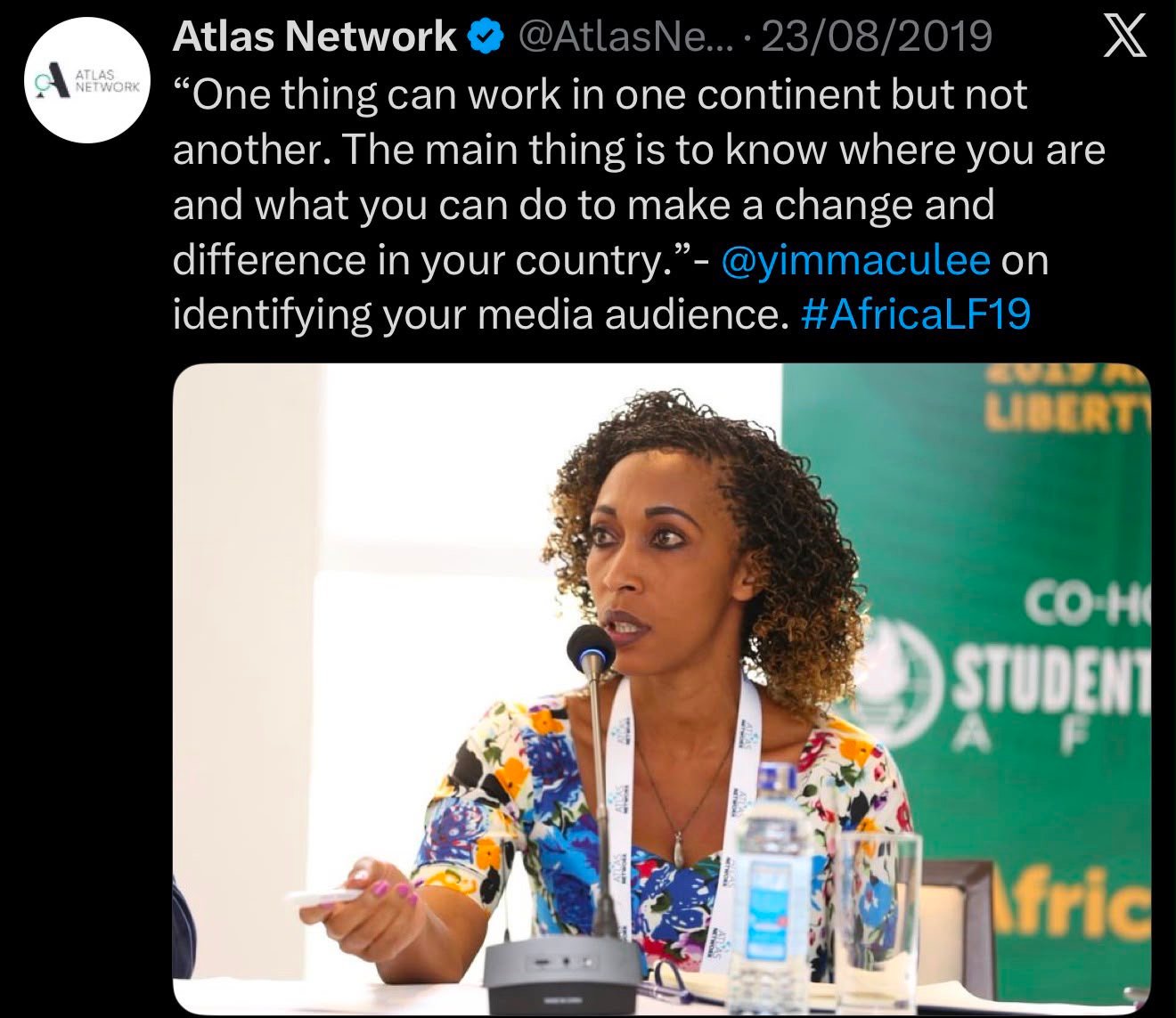
The message was subsequently highlighted by Atlas Network through its official X account, which identified Mukazayire among the speakers at the Nairobi forum and shared her remarks about the importance of understanding where you are and what you can do to create meaningful change.
For Mukazayire, the lesson goes beyond the business of running a media organization. It speaks to the foundation of journalism itself: trust.
“Media credibility is earned by understanding the people you serve,” Mukazayire said. “Every community has different realities, different challenges, and different expectations. Journalists must first understand those realities before expecting their work to make an impact.”
Her perspective reflected an approach to journalism centered on audiences rather than simply numbers. At the time, she was building on several years of experience in journalism, digital media, public communication, and community-focused work.
Her professional work included journalism, media training, public speaking, and participation in regional discussions on media and communication. She also led Ubumwe.com, an online media platform based in Kigali.
The 2019 Africa Liberty Forum invitation itself reflected the confidence placed in her professional experience. Atlas Network invited her not simply to attend the forum, but to contribute directly to a discussion focused on how media professionals can build a respected and credible public voice.
For Mukazayire, that credibility could not be built overnight.
“Respect is built over time,” she said. “Technology changes, platforms change, but credibility remains the strongest asset any journalist can have.”
That principle remains particularly relevant as journalism continues to evolve across Africa. Digital platforms have dramatically expanded opportunities for journalists and media organizations to reach audiences, but they have also increased competition for attention and created new challenges around trust and credibility.
Mukazayire’s message at the Africa Liberty Forum was therefore not simply about how to attract an audience. It was about understanding that audience well enough to serve it responsibly.
Her participation in Nairobi placed her among professionals and advocates from across Africa who came together to exchange ideas, experiences, and approaches to strengthening their respective fields.
For a Rwandan journalist, the invitation represented an opportunity to bring an African, and specifically Rwandan, perspective to an international conversation about the future of media.
And her central message was clear: there is no universal formula for building a respected media voice. The strongest journalism begins with knowing your people, understanding your context, and earning their trust.
About Author