
Eastern Rwanda: Women step up campaign against drug abuse and illicit alcohol
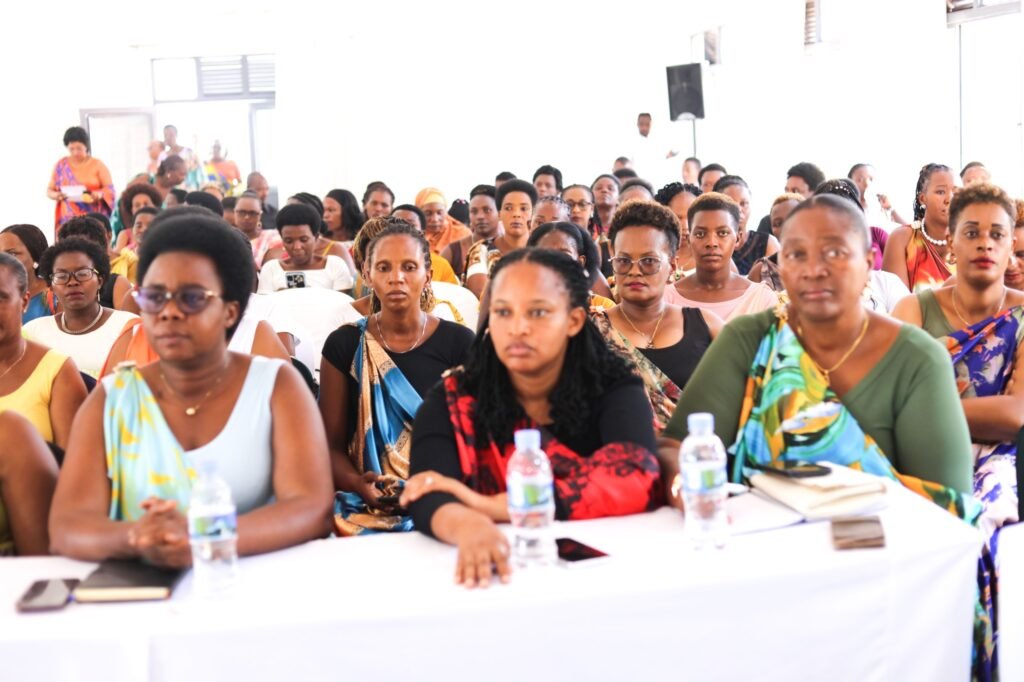
Women leaders in Rwanda’s Eastern Province are stepping up efforts to tackle drug abuse and the consumption of illicit and substandard alcoholic beverages, which they say are increasingly threatening family stability and the wellbeing of young people.
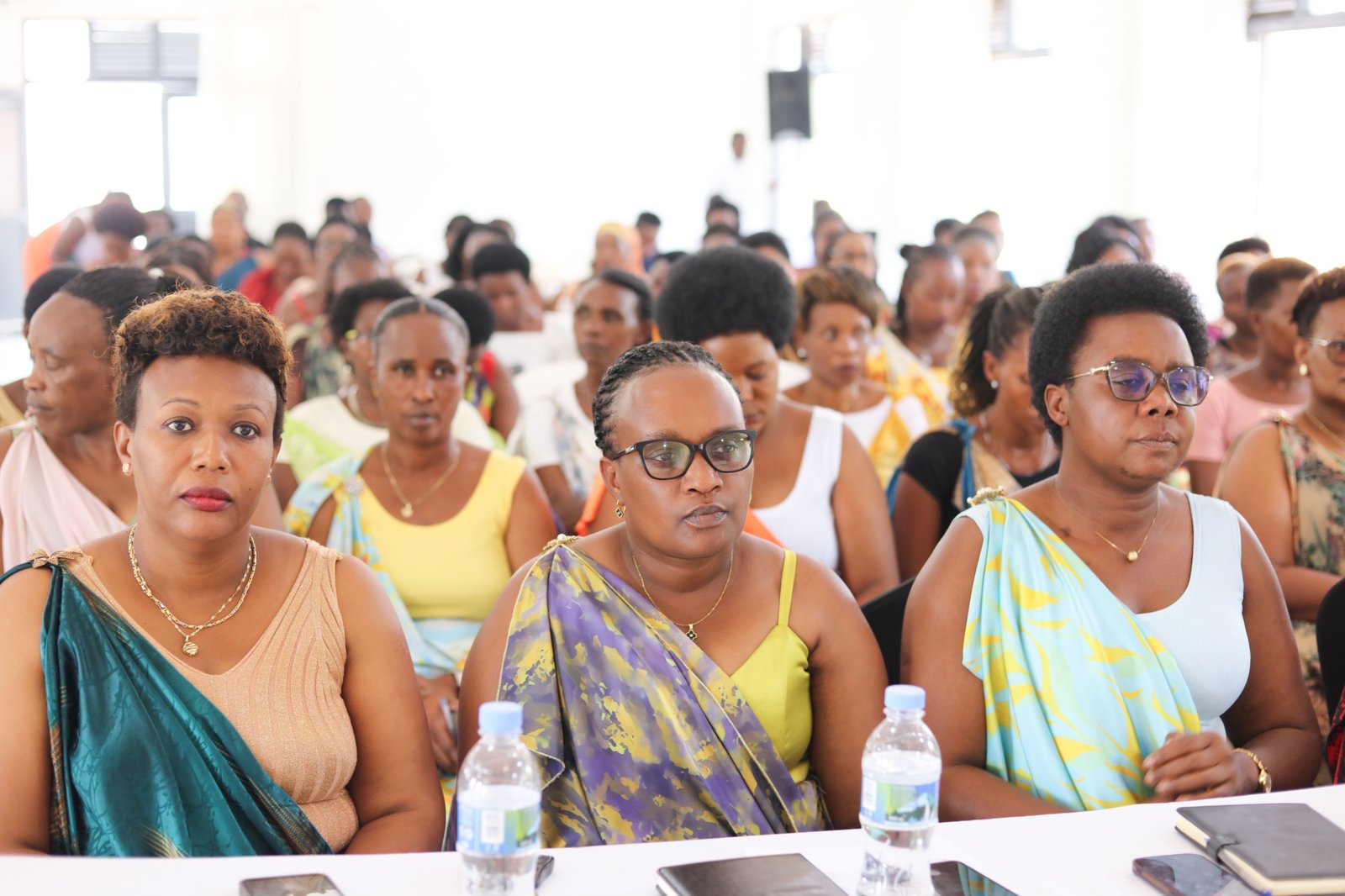
The commitment was made during the General Assembly of the National Women’s Council in the Eastern Province, where women representatives reviewed achievements made over the past five years and identified challenges that continue to undermine families and community development.
Held under the theme “United efforts for a safe, capable and prosperous family,” the meeting brought together women representatives and local leaders to discuss issues affecting households, including domestic conflicts, poverty and substance abuse.
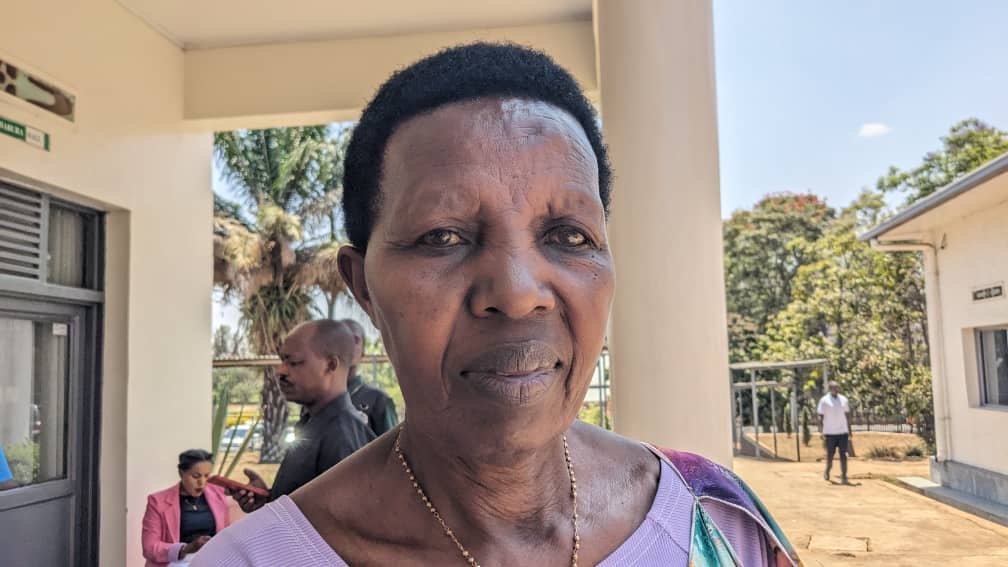
For Nyiradende Marie Goleta, from Remera Sector in Gatsibo District, women are uniquely positioned to contribute to the fight against drug abuse because of their close links with families and communities.
“We will do everything possible to engage young people and some women who have become involved in drinking illicit alcohol. Whenever community meetings are held, we will ask for the floor and explain the consequences of drug abuse,” she said.
These drinks are destroying families
Mukamucyo Jeanette, Coordinator of the National Women’s Council in the Eastern Province, said illicit alcohol and drugs are not only sold in communities but are sometimes found close to people’s homes.
She linked their consumption to domestic violence, poverty and other social problems.
“These substandard alcoholic drinks and drugs are found in our villages and even in neighbouring households. They are causing deaths and fuelling conflicts within families,” she said.
According to Mukamucyo, some people spend the money they earn on alcohol instead of using it to meet their families’ basic needs.
“Someone works and earns money, but then takes it to a bar and returns home without anything to provide for the family. That is where conflicts begin,” she said.
She also warned that substance abuse can have consequences for children, including contributing to school dropouts.
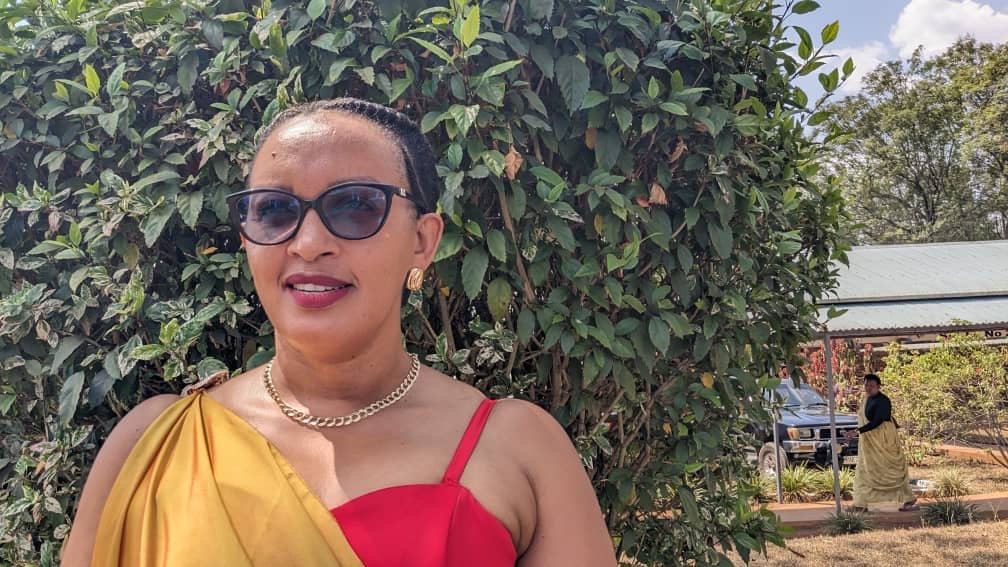
The women’s council, she said, plans to intensify community mobilisation, identify people involved in the sale or production of illicit substances and report locations where such activities take place.
“These drinks are contributing to the breakdown of families and causing children to drop out of school. We will reach out to those involved, explain the dangers and consequences of drug abuse, encourage them to stop, and report where these substances are being sold,” Mukamucyo said.
Governor calls for stronger action
Eastern Province Governor Pudence Rubingisa said alcohol abuse is among the factors that can contribute to domestic conflicts.
He noted that some people involved in the production or sale of illicit alcohol are sometimes members of community structures, including women representatives and village leaders.
“We have seen that some of the problems related to substandard alcoholic beverages originate from small bars and people involved in brewing them. In some cases, women representatives, village leaders and members of women’s committees are also involved,” Rubingisa said.
He urged women representatives, particularly Mutimawurugo, to take a stronger role in preventing substance abuse and protecting young people from practices that could undermine their future.
“We call upon Mutimawurugo to strongly condemn these practices, particularly among our youth, where we are seeing people lose their values,” he said.

Five years of progress
The campaign against substance abuse comes as women in the Eastern Province highlight a series of achievements recorded over the past five years.
According to figures presented during the meeting:
• 8,749 girls were trained in vocational and technical skills and provided with equipment;
• 23,600 households received cows;
• 23,423 women joined cooperatives;
• 924,579 women engaged with financial institutions;
• 7,556 households began receiving support to help them move out of poverty;
• 199 houses were constructed for vulnerable families;
• 182,821 fruit trees were planted;
• 99,931 kitchen gardens were established; and
• 16,975 couples previously living in informal unions legally formalised their marriages.
For women representatives, however, economic empowerment alone is not enough.
They say protecting families from drug abuse, illicit alcohol and domestic conflict is equally important if communities are to become safer, more resilient and economically prosperous.
The new commitment therefore places women at the centre of community-based efforts to prevent substance abuse, promote responsible behaviour and strengthen family welfare across Rwanda’s Eastern Province.
By Nyirahabimana Josephine
About Author