
From Bigega to Paris: Madjaliwa Safari faces trial over Genocide allegations
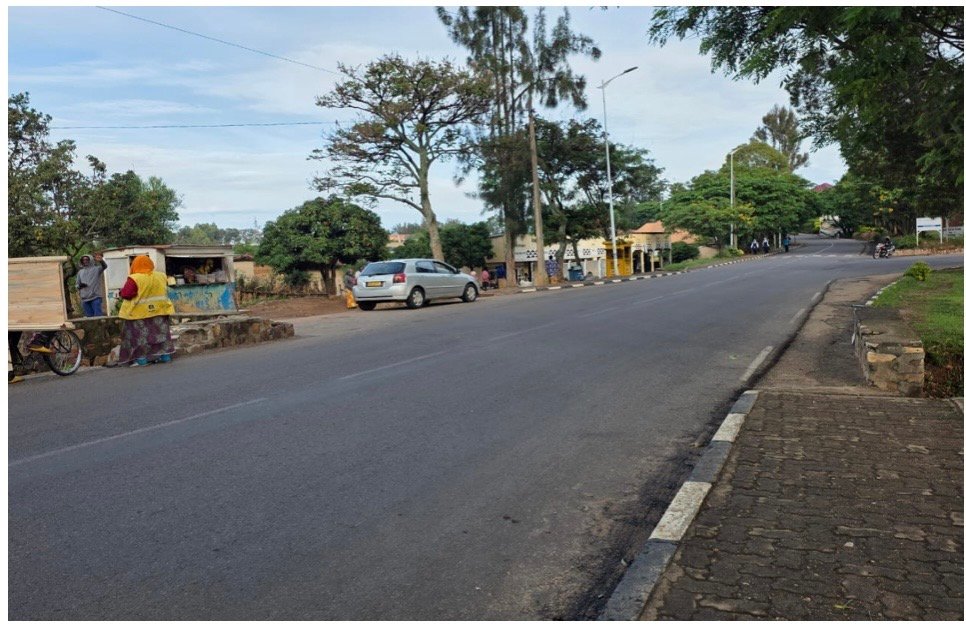
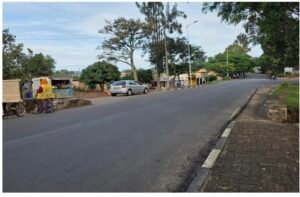
Bigega was the site of a former roadblock where Tutsi were killed. Safari is standing trial over his alleged involvement in the massacres.
Madjaliwa Safari, also known as “Gudi,” a former businessman from Nyanza District, has gone on trial before the Paris Assize Court in France over alleged crimes related to the 1994 Genocide against the Tutsi in Rwanda.
The trial opened on Tuesday, November 17, 2026, in Paris. Safari is accused of participating in the genocide against the Tutsi, including through his alleged involvement at the Bigega roadblock, located in Nyanza District at a site known as “Chez Premier,” as well as attacks targeting the Abakono family in the same area.
Born in February 1965 in the former Butare Prefecture, in Kavumu Sector, Mukoni Cell, Safari was a businessman based in Nyanza before the 1994 Genocide. He operated a restaurant and had previously been involved in the sale of grilled meat in Bigega.
According to the judicial investigation, he is suspected of having participated in the massacres of Tutsi in the former prefectures of Gitarama and Butare between April and July 1994.
Bigega roadblock at “Chez Premier” at the centre of the charges
One of the main aspects of the case concerns Safari’s alleged role at the Bigega roadblock, known as “Chez Premier,” in Nyanza. He is suspected of having been among those in charge of the roadblock, where many Tutsi are reported to have been killed.
During the genocide, roadblocks were used as checkpoints to intercept, screen and identify people, particularly through identity cards that indicated their ethnic affiliation. They played a major role in the persecution and killing of Tutsi.
During the investigation, some witnesses reportedly said they had seen Safari at the roadblock carrying weapons, including a rifle, a machete and a spear. Others accused him of giving instructions that led to the killing of civilians, including children.
The prosecution’s case also includes allegations linking him to the killing of Ndatsikira, who owned a beer depot in the Bigega neighbourhood, as well as the deaths of Muhizi’s children, Serge and Thierry.
Safari is also suspected of having participated in attacks against the Abakono family, whose members belonged to the Tutsi community.
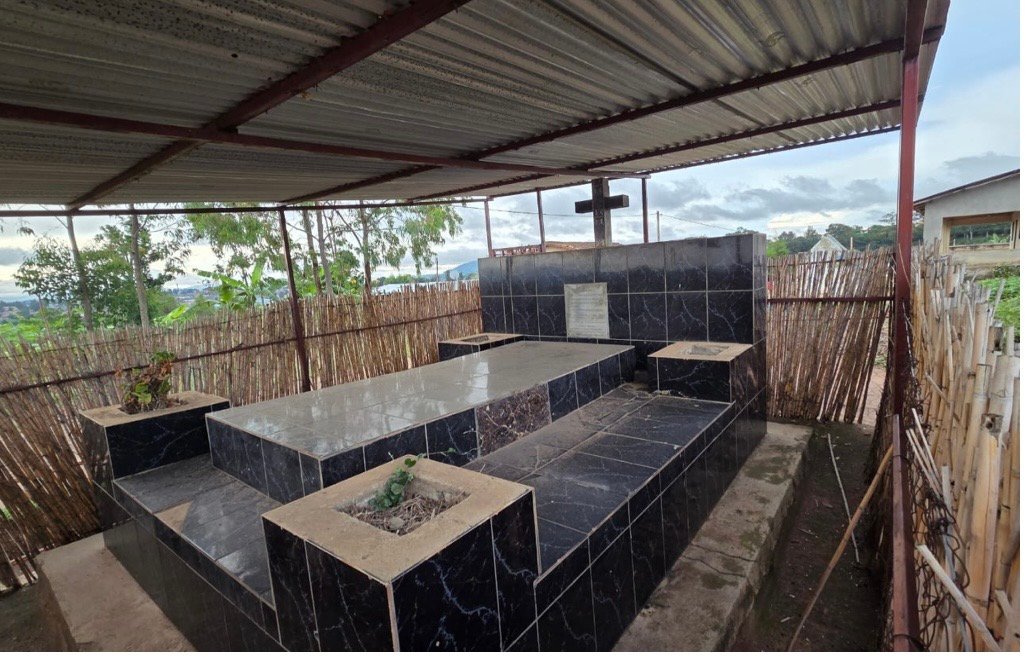
What he admits and what he denies
During the investigation, Safari acknowledged that he had been present at the “Chez Premier” roadblock for a few days. However, he maintained that he had been forced to go there and had no way of refusing.
He argued that his presence was imposed by the circumstances at the time and denied playing any particular role in the activities carried out at the roadblock. He also denied any involvement in the killings allegedly committed there.
He further explained that he had to take care of his injured father and was therefore unable to move around freely.
His lawyer, Me Philippe Meilhac, portrays him as an ordinary businessman who held no military or political position and maintains that he did not kill anyone at the roadblock.
His journey to France and the legal proceedings
After the Genocide against the Tutsi, Safari left Rwanda. He initially travelled to the Democratic Republic of the Congo, then to the Republic of the Congo, before living in Cameroon between 1999 and 2009.
In 2009, he moved to France, settling in the Tours region, where he joined his family. In 2015, he applied for asylum with the French Office for the Protection of Refugees and Stateless Persons (OFPRA). He was granted refugee status in 2017.
That same year, Rwanda’s National Public Prosecution Authority issued an arrest warrant against him over crimes allegedly committed in connection with the genocide.
In 2019, Rwanda requested his extradition from France so that he could stand trial in his home country. However, the French judicial authorities did not grant the request.
In November 2019, the National Anti-Terrorism Prosecutor’s Office (PNAT), which also has jurisdiction over genocide and crimes against humanity, referred the case to an investigating judge. The investigation was conducted by the Central Office for the Fight against Crimes against Humanity and Hate Crimes (OCLCH).
As part of their investigations, officers travelled to Rwanda to gather evidence and interview individuals who could provide information about the events of 1994.
On July 4, 2023, Safari was arrested in Tours, France. He was subsequently formally charged with genocide and crimes against humanity and remanded in custody as part of the judicial proceedings.
On December 6, 2024, the investigating judges ordered that he stand trial before the Paris Assize Court.
The proceedings in France are not the first judicial case involving Safari. In 2007, a Gacaca court sentenced him to 15 years in prison for crimes related to the genocide. However, he did not serve the sentence because he had been convicted in absentia.
Witnesses expected in Paris and Kigali
During the trial, several witnesses are expected to testify to shed light on the alleged crimes and the broader context of the genocide.
Some witnesses will appear in person in Paris, while others are expected to testify via video link from Kigali.
About Author