
“They Called My Baby a Curse”: The Silent Struggles of Mothers Raising Children with Albinism in Rwanda

In Rwanda, mothers of children with albinism face profound stigma and social exclusion from the moment their children are born. Many reports enduring discrimination throughout their children’s upbringing, often being denied basic rights, including access to housing.
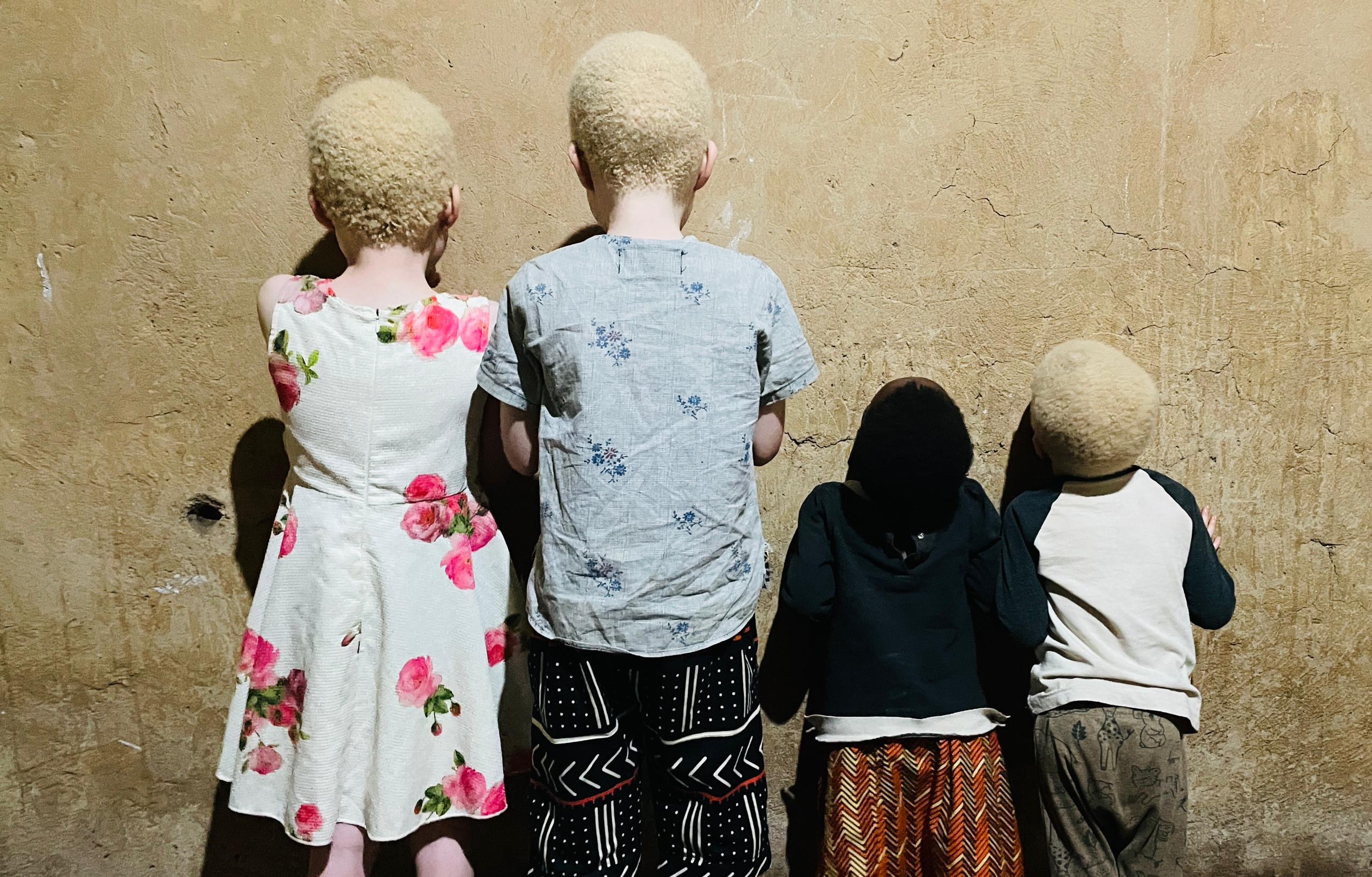
One such case is that of Marie Jeanne Mushimiyimana, who recalls being misled by a doctor in the delivery room at Kabgayi Hospital in Rwanda’s Southern Province in 2016, when she gave birth to her first child, a baby boy with albinism.
She had moved in with her partner in 2015 and gave birth via Caesarean section in October 2016. “I was extremely weak after giving birth, but I remember some doctors asking if my child’s father was a white man. I said no. They pointed out that his eyes and skin didn’t resemble those of a typical dark-skinned baby. I immediately went into shock,” she recounted in a June 2025 interview.

“Thank God I accepted my child right away, even while still in the recovery room. I felt a deep sense that ‘this child is God’s praise.’ It was my first time seeing a child like that in my life,” she added. But the stigma didn’t end there. Her husband’s reaction only worsened the trauma, starting right at the hospital. “He looked at the baby and asked me, ‘Why did you give birth to such a pale child?’ Then he vanished from the hospital,” she recalled.
Instead of receiving the joyful congratulations normally extended to new mothers, Mushimiyimana spent a sorrowful day. Even her mother-in-law never came to see the baby. “No one came. The last time we saw each other was before I gave birth. My mother and sister are the ones who accompanied me to the hospital,” she said.
When the baby turned one, her partner abandoned them. “He left without knowing I was pregnant again. When I found out, I prayed to God that the second baby would also have albinism. I feared that if the second child looked different, I wouldn’t know how to explain who the father was,” she said.
Today, Mushimiyimana lives in Gisozi Sector, Gasabo District. Her second child, a 7-year-old girl, was also born with albinism at Kacyiru District Hospital. “When the doctors delivered her, I overheard them asking if she had albinism. I said, ‘Please accept her. The one I had before is just like that too,’” she recalled.
Her youngest son, who also has albinism, is a twin. His sister is dark-skinned. Now a mother of four, Mushimiyimana says all of her children are registered under her name alone, as the father has refused any responsibility.
Societal Discrimination
Mushimiyimana has faced numerous challenges, but one of the most shocking was when her landlord raised the rent from Rwf 30,000 to Rwf 40,000. “He did it to force me out, hoping I’d give up and move. But when he saw I was still paying, he returned the money and asked me to leave,” she recalled.
She said the landlord made it clear he didn’t want her children in his house. And the discrimination didn’t stop there. In subsequent homes, she encountered similar rejection. “In three different places, tenants said they had lost their appetite because of my children,” she said.
Her children were sometimes even attacked by neighbors during playtime. Though some cases were reported, local authorities often ignored them.
Economic discrimination has been another painful hurdle. Mushimiyimana tried selling fruits like avocados and bananas but struggled to find buyers. “What hurt me most was seeing my fruit rot because no one would buy from me. Some people said that if they ate fruit from me, their children would be born with albinism,” she said, her voice trembling. “I had to give it away, even though it wasn’t what I wanted.”
A Mother’s Journey to Acceptance
Margaret Iradukunda, a resident of Bumbogo Sector in Gasabo District, also experienced hardship after giving birth to twin boys with albinism. “After returning home from the hospital, neighbors called my children ‘aliens’ and other inhumane names. I was traumatized. I used to hide my children whenever visitors came,” she testified.
The mother of six said she only began to accept her sons after a journalist visited her and publicly held one of the twins. “That’s when neighbors realized I had children with albinism. Some even asked to take them for walks. From then on, I began to accept them. Now they play with other children, and people are used to them,” she said.
Unlike many others, Iradukunda was fortunate to have her husband’s unwavering support. “People told him I had been unfaithful or that our children were cursed, but he never believed any of it. He stood by me,” she said. Sadly, her husband also became a victim of discrimination.
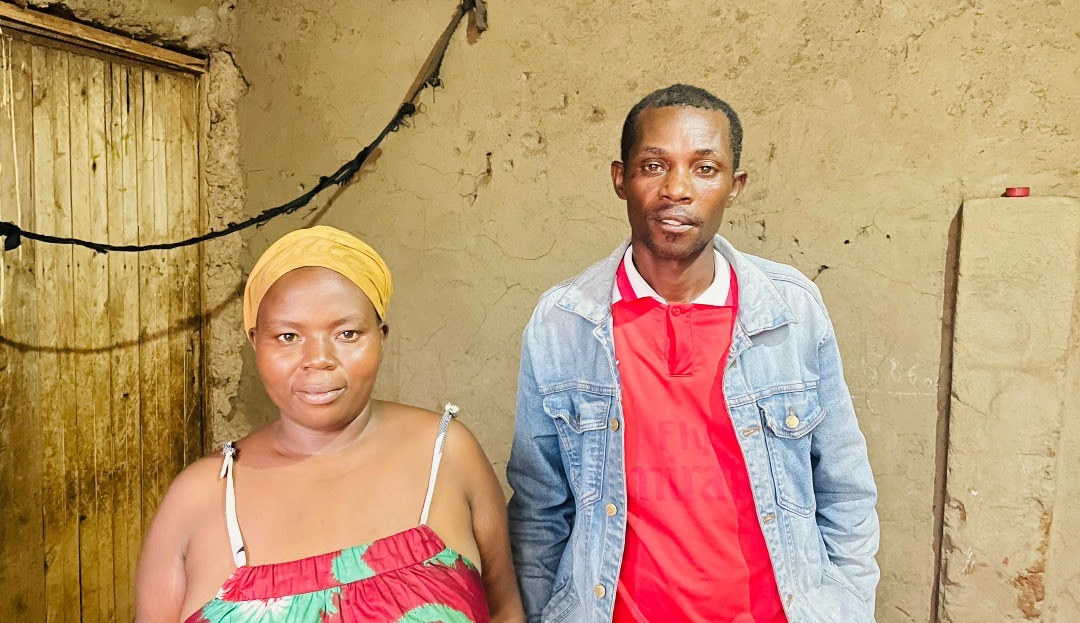
Désiré Ushizimpumpu, 46, lost his job after his employer discovered that his children had albinism. “My boss congratulated me when the twins were born,” he recalled. “But one day, after a vaccination appointment, he saw us walking with the babies and noticed their skin color. From that day on, I lost my job.”
Since then, he has struggled to find employment. “People who knew me refused to hire me. They said, ‘That’s a punishment from God. Don’t bring that curse here.’ Providing for my family became incredibly difficult. I could only find work in places where no one recognized me,” he said.
However, such treatment stands in direct violation of Article 9 of Rwanda’s Labour Law (N° 66/2018), which prohibits discrimination in employment based on ethnicity, family background, skin color, sex, region, religion, disability, or any other reason.
Understanding Albinism in Rwanda
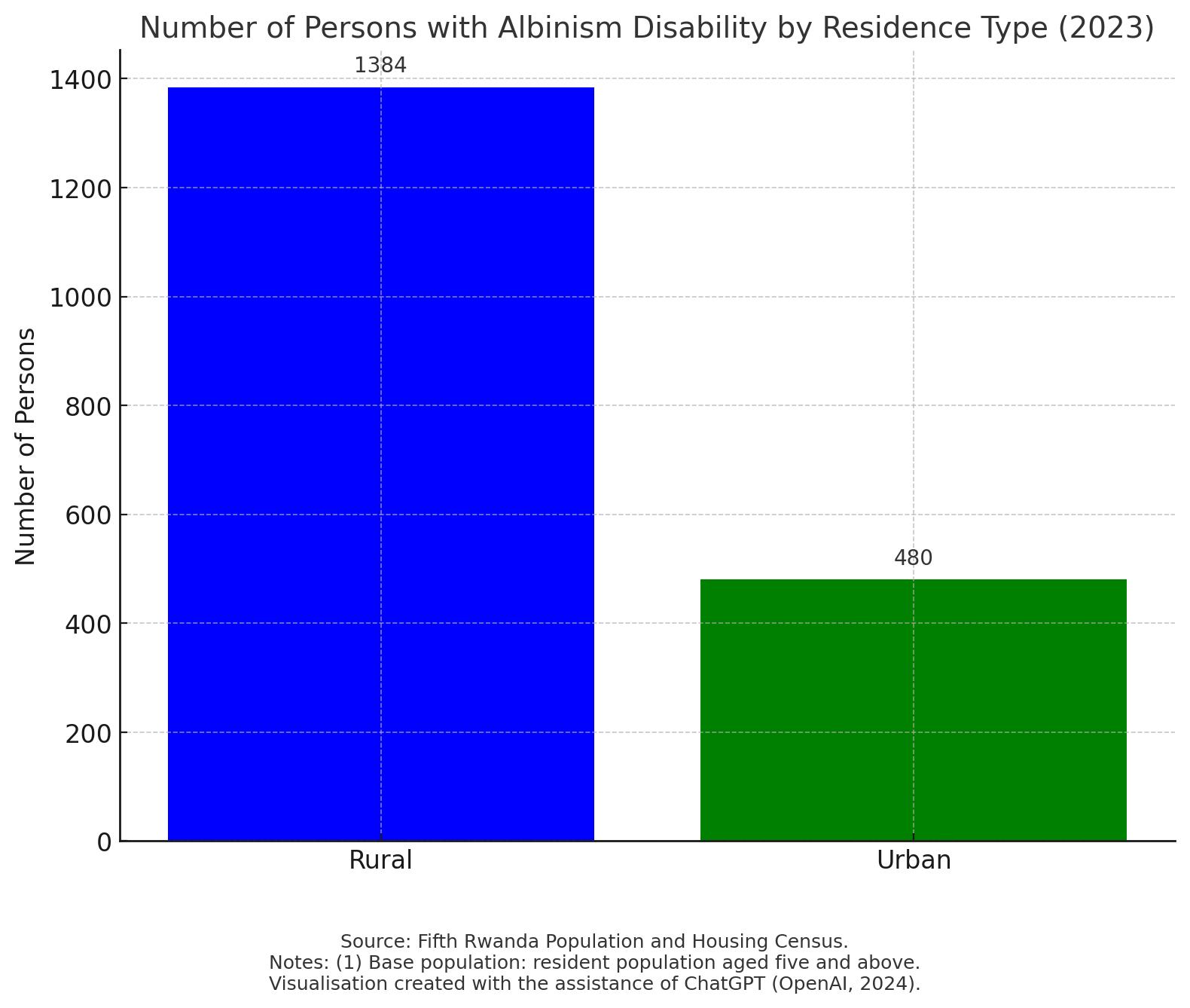
According to the 2022 Population and Housing Census, 1,864 people aged five and above are living with albinism in Rwanda, with the majority residing in rural areas. While some Rwandans understand the condition, others continue to struggle with misconceptions, particularly around how a mother can give birth to a child with albinism.
Dr. Amani Uwajeni Alice, a dermatologist at the University Teaching Hospital of Kigali (CHUK), clarified that albinism is a genetic condition inherited from both parents. “Albinism is a hereditary disorder,” she explained. “It occurs when both parents carry and pass on the gene. It’s not caused by just one parent. If both the father and mother have the gene, their child may be born with albinism. It’s an autosomal recessive condition.”

She added that albinism in Africa typically affects the skin, eyes, and hair due to a lack of melanin. Melanin is the natural pigment produced by specialized cells called melanocytes; it gives color to the skin, hair, and eyes and also plays a protective role by shielding the skin from harmful ultraviolet (UV) rays. “Some individuals may have ocular albinism, which affects only the eyes,” Dr. Amani noted.
She emphasized that parents of children with albinism should never be subjected to blame or discrimination, as the condition is entirely genetic and beyond their control.
Raising Awareness and Promoting Rights
The Organization for Integration and Promotion of People with Albinism (OIPPA), which works to raise awareness and educate families about albinism, reports that stigma often begins as early as the hospital and continues within families and communities.
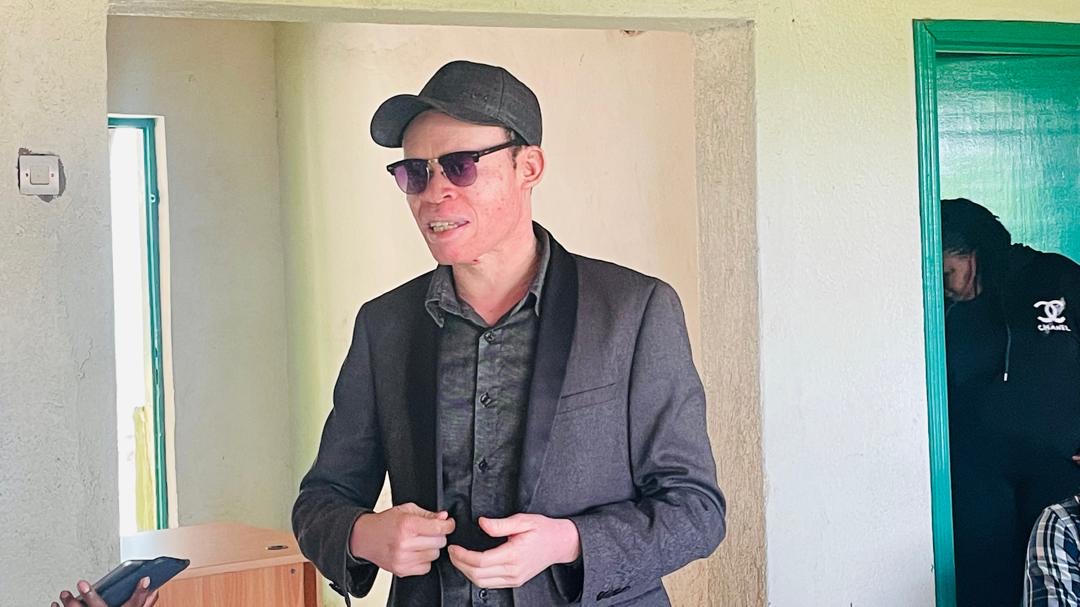
“In rural areas, there’s very little understanding of albinism. Women are often rejected by their families, husbands abandon them, and children grow up without support,” said Charles Komezusenge, Vice President of OIPPA.
“Our primary goal is to educate families about what albinism truly is and to show that children with the condition can live normal, fulfilling lives. Many men who had abandoned their families have returned after our outreach efforts. We also teach people with albinism and their parents about their rights. Abuse is a criminal offense, and victims must be empowered to speak out,” he added.
The Rwanda Biomedical Centre (RBC) states that it has not received any formal reports of stigma directed at mothers of children with albinism.
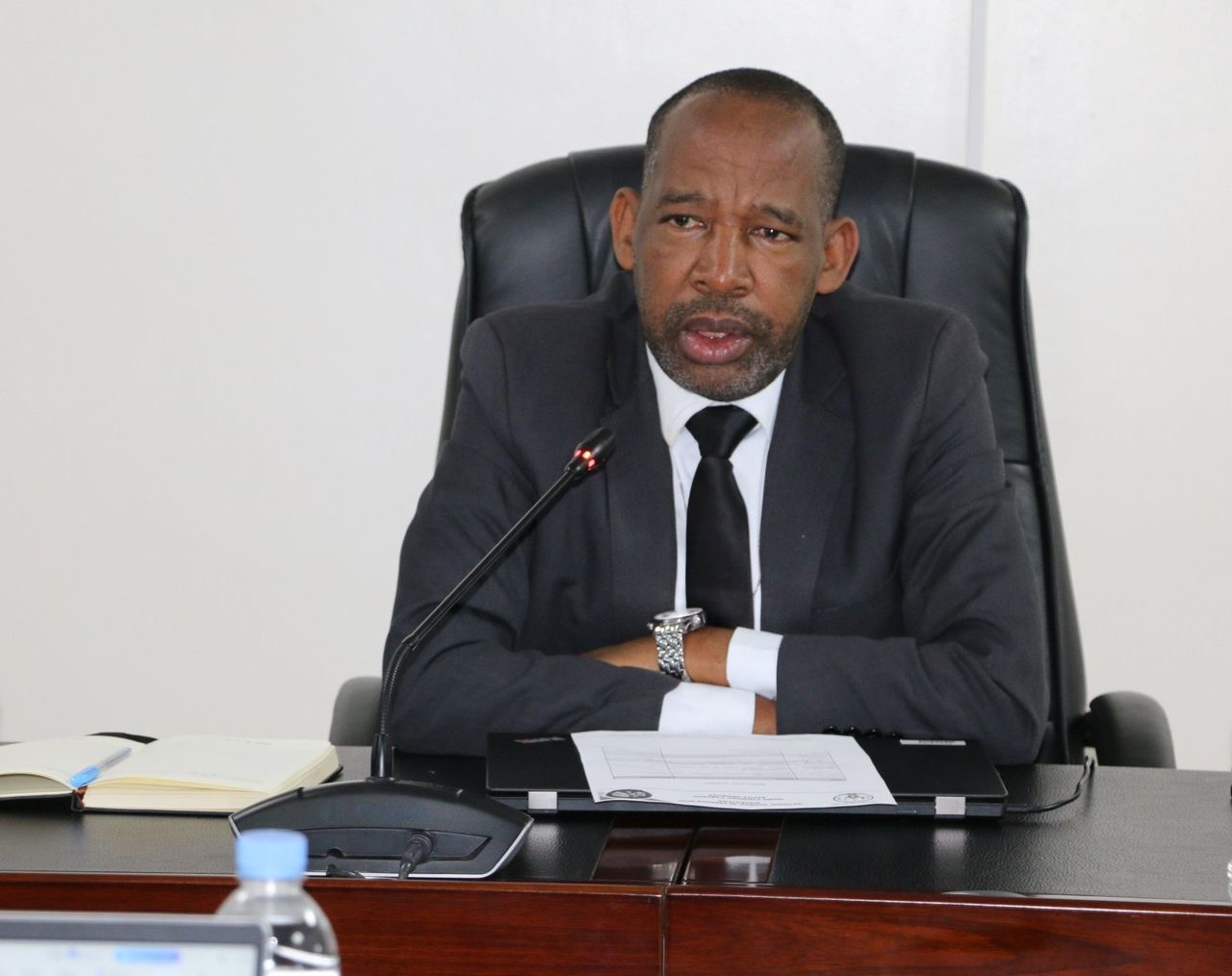
However, the National Council of Persons with Disabilities (NCPD) acknowledges that some parents still face discrimination and encourages mothers to speak out and report such incidents. “When a mother gives birth and a nurse or midwife uses dehumanizing language, it is completely unacceptable,” said Emmanuel Ndayisaba, Executive Secretary of the NCPD. “Even if such behavior comes from individuals rather than institutions, those individuals must be educated.”
He added, “Even if you’ve already left the hospital, report any mistreatment to the hospital authorities and to us. We will take action to ensure it doesn’t happen again.”
Photos: Nadine Umuhoza
About Author