
Health Builders Expands Early Disease Screening in Rwanda
In Rwanda, many people still seek medical care only when they are already sick, a practice that often leads to late diagnosis of diseases such as diabetes and hypertension and makes treatment more difficult.
To address this challenge, Health Builders, a non-profit organization working in the health sector, in partnership with community health workers and local health institutions, is expanding door-to-door screening for non-communicable diseases across five districts.
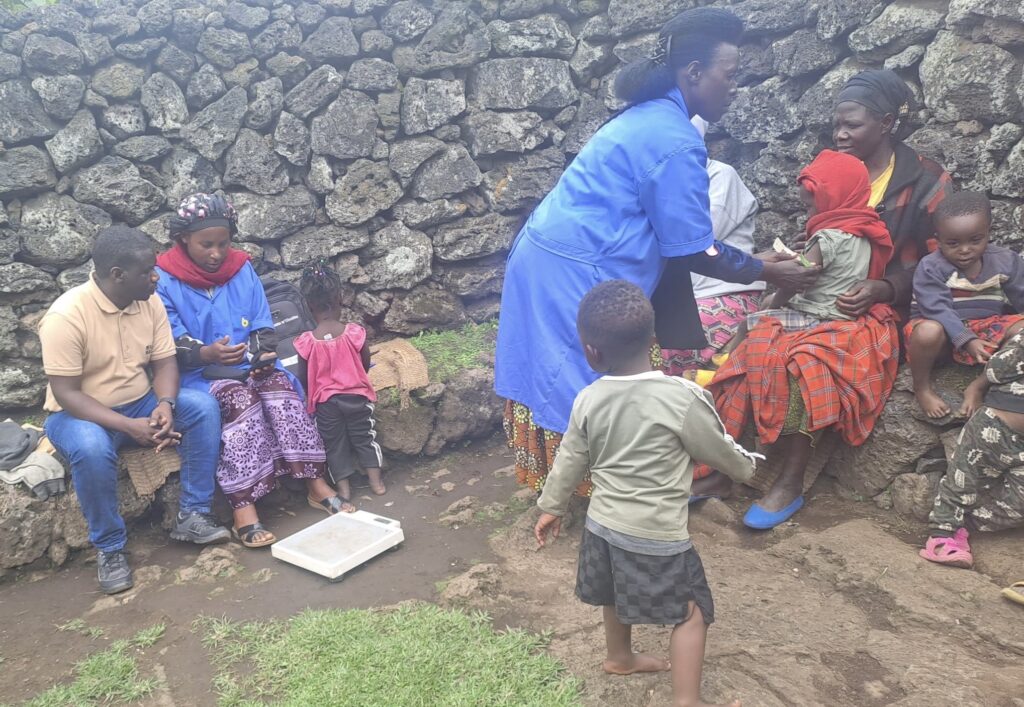
The initiative focuses on early detection of conditions such as diabetes, hypertension, and other related illnesses. Community health workers conduct household visits to identify potential cases before symptoms become severe.
According to Bolingo Jean Berchmas, Head Management Advisor at Health Builders in Nyabihu District, the organization equips community health workers with screening kits and provides continuous training to strengthen their capacity in community-based healthcare delivery.
“Health Builders equips community health workers with the tools they need for early detection and ensures they receive regular training so they can better serve their communities,” he said.
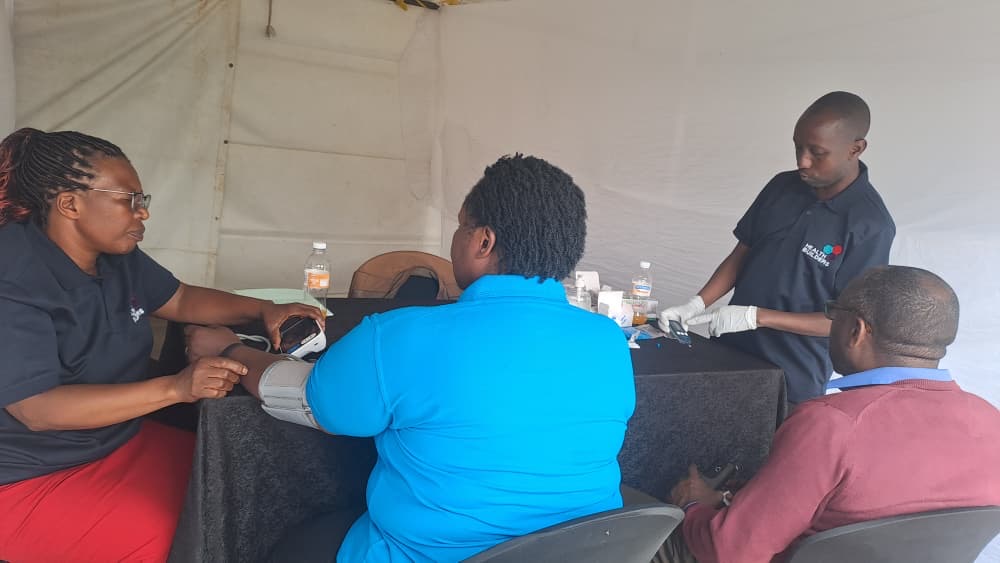
In Nyabihu District, community health worker Nzakizwanimana Schadrack, who operates in Bigogwe Sector, said his work is driven by a strong passion for serving his community. The 48-year-old explained that although he did not pursue formal medical education, he developed an early interest in healthcare.
He began working with Health Builders four years ago and noted that the training and equipment provided have enabled him to screen residents for non-communicable diseases. When cases of diabetes, high blood pressure, or other conditions are detected, patients are referred to health facilities for further diagnosis and treatment.
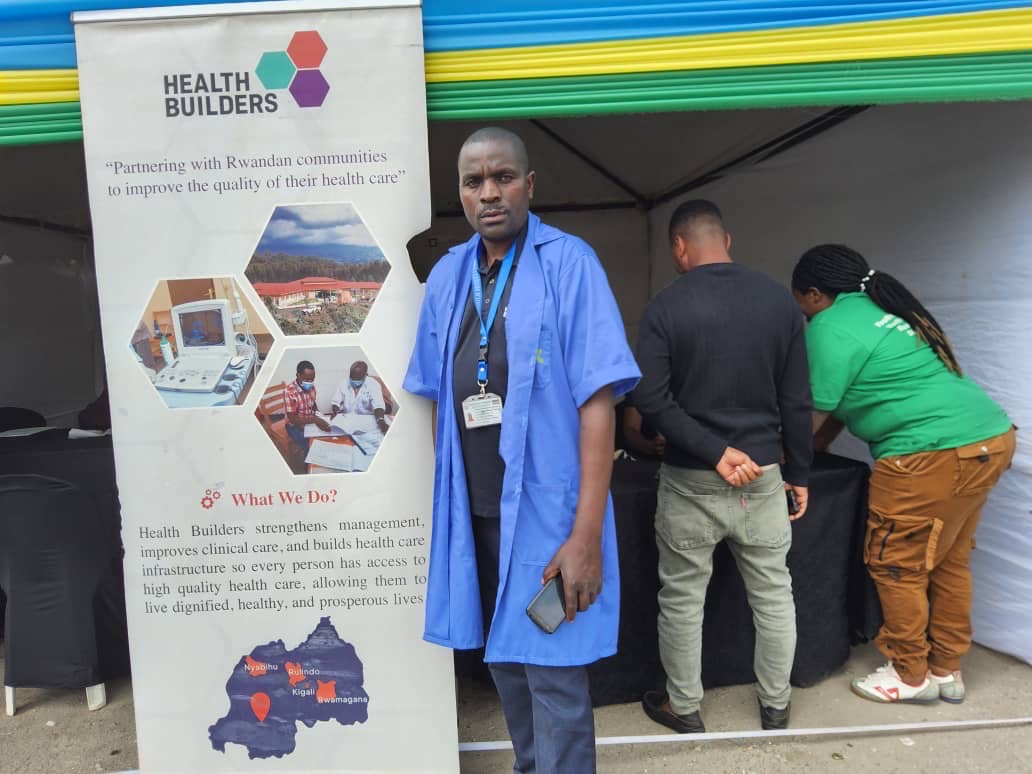
Health Builders currently operates in five districts across Rwanda: Nyabihu, Rulindo, Rwamagana, Kicukiro, and Bugesera. The organization works closely with community health workers, health centers, hospitals, and the Ministry of Health to strengthen early disease detection and improve public health outcomes.
Angelique MUKAMURENZI
About Author