
Kwita Izina 2026: 22 Baby Gorillas named in Rwanda’s conservation celebration
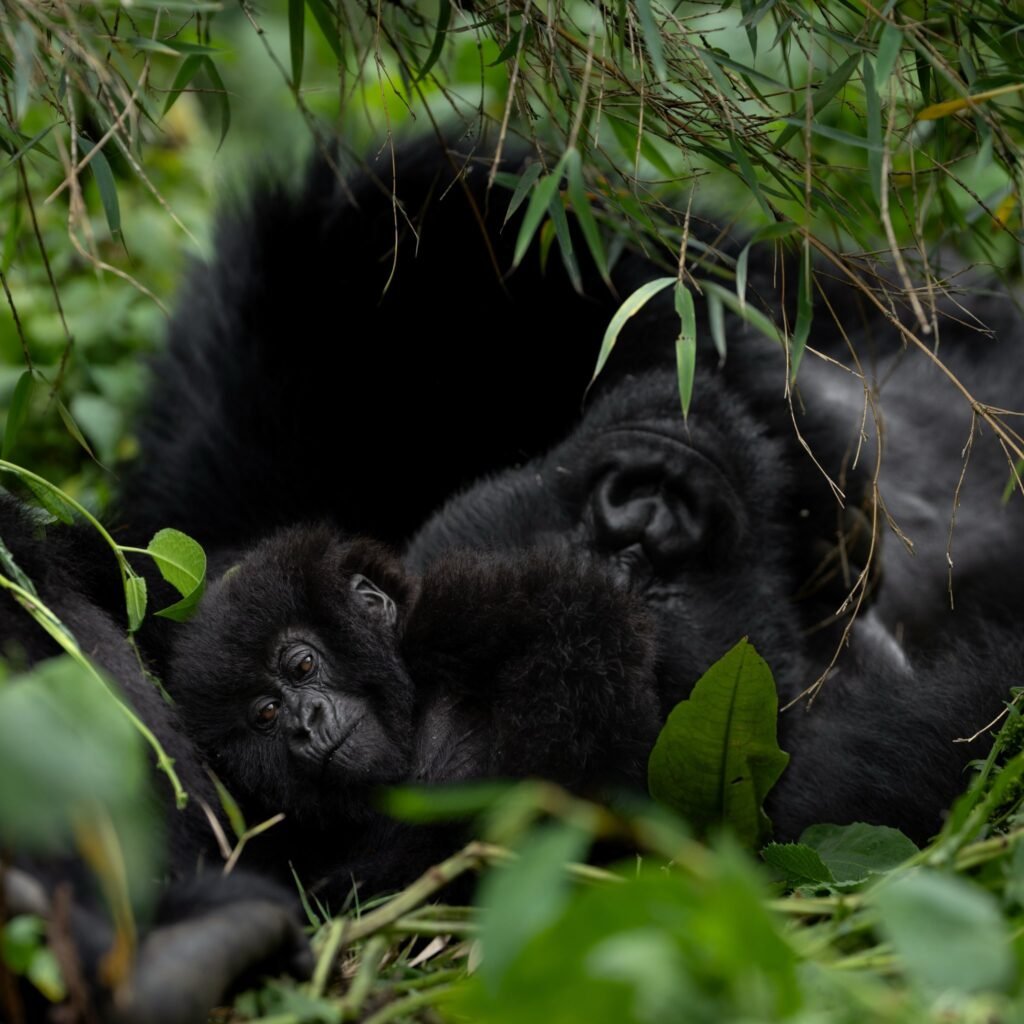
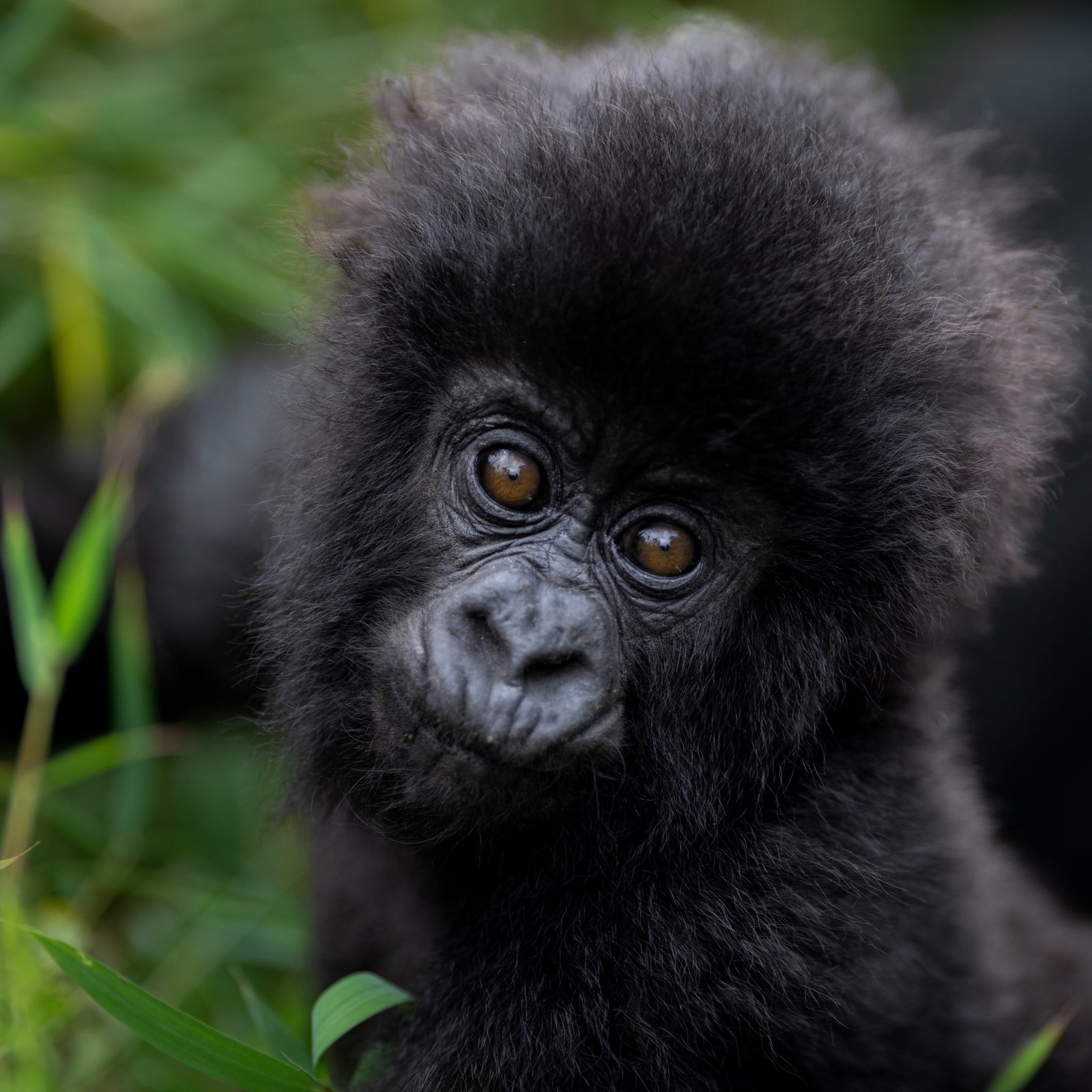
Rwanda has named 22 baby mountain gorillas during the 21st edition of Kwita Izina, the annual gorilla naming ceremony held at the foothills of Volcanoes National Park in Kinigi, Musanze District.
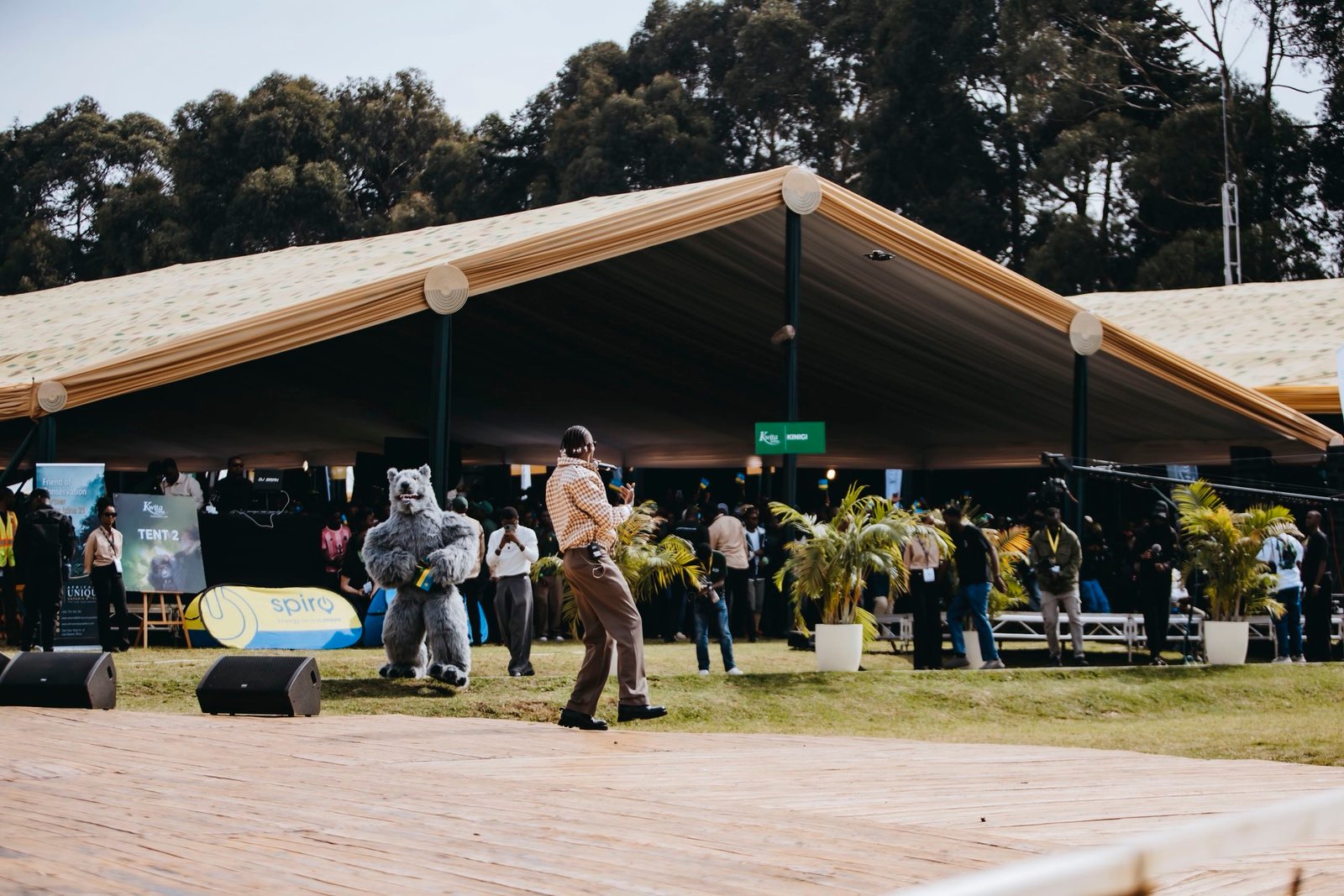
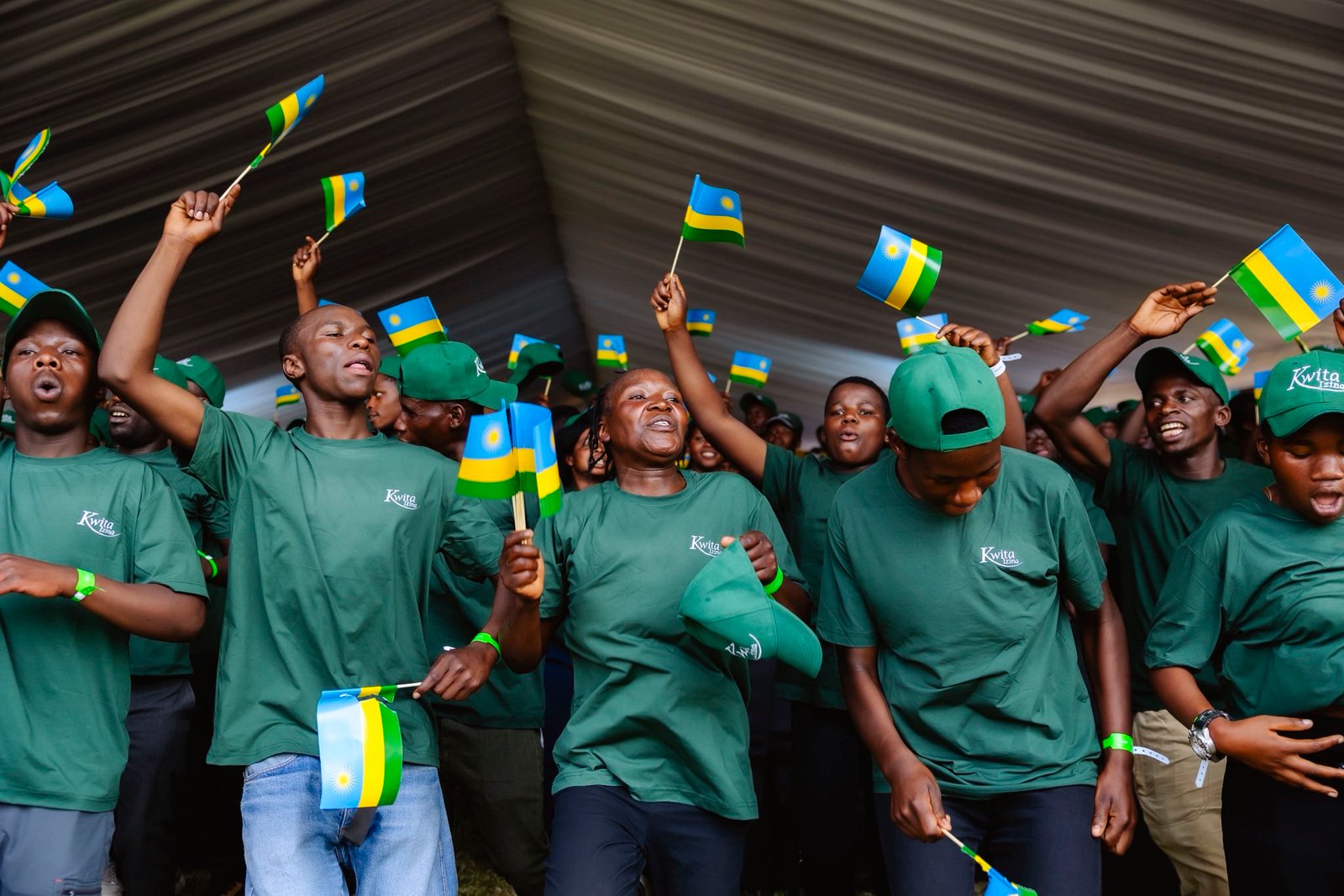
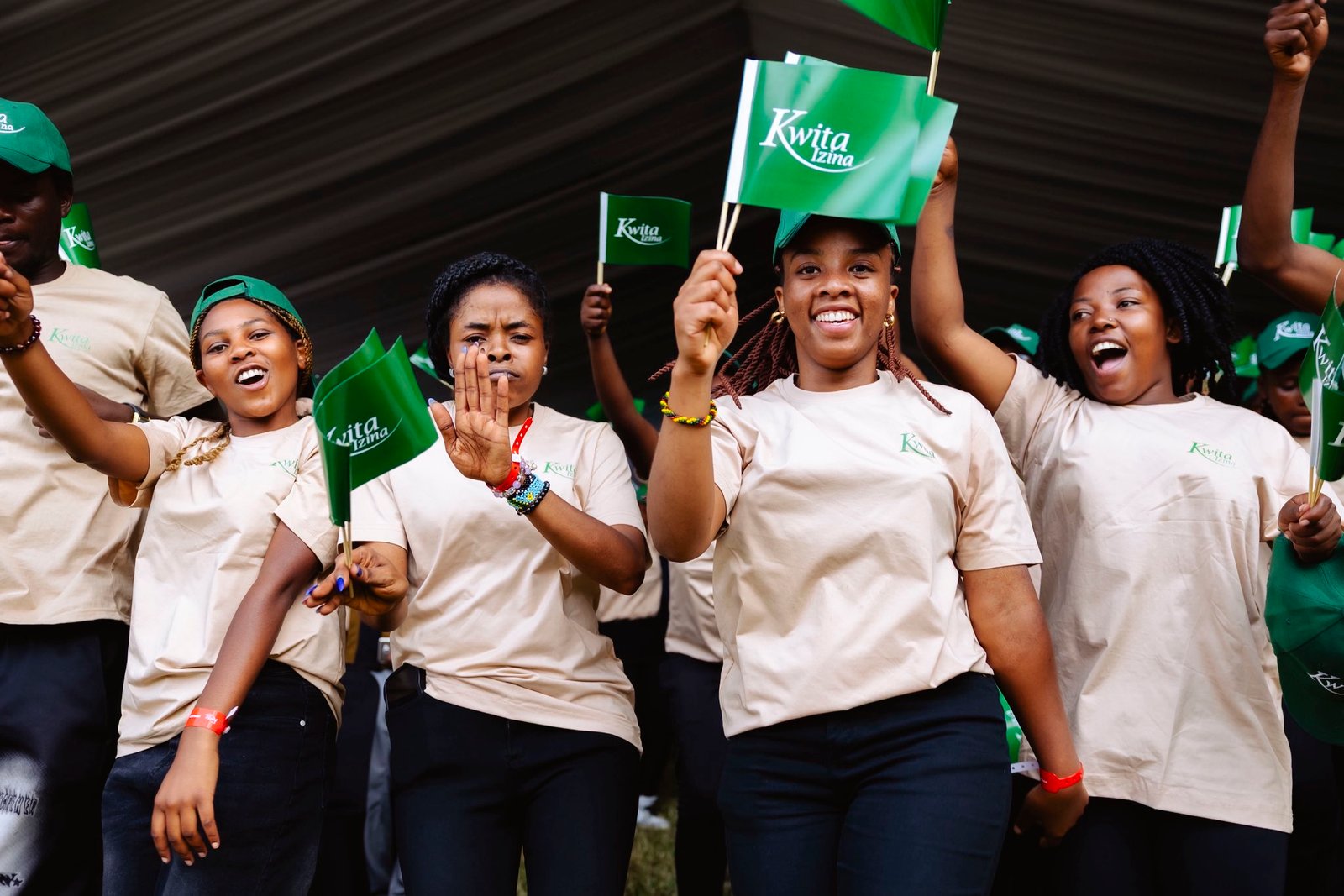
The ceremony brought together local communities, conservationists, partners and international guests from around the world to celebrate Rwanda’s mountain gorillas and the country’s continued conservation efforts.
Held under the theme “Conservation is Life: Sustaining the Future,” this year’s event highlighted Rwanda’s commitment to protecting mountain gorillas, conserving biodiversity and ensuring that communities living around protected areas benefit from conservation.
Since Kwita Izina became an official annual event in 2005, a total of 460 mountain gorillas have now been named, following the addition of the 22 babies named this year. More than 1,060 mountain gorillas are estimated to live in the wild across the Virunga Massif and the Bwindi ecosystem.
Twenty-two gorillas receive names
The 22 baby gorillas received names carrying messages of determination, resilience, leadership, protection, unity and hope.
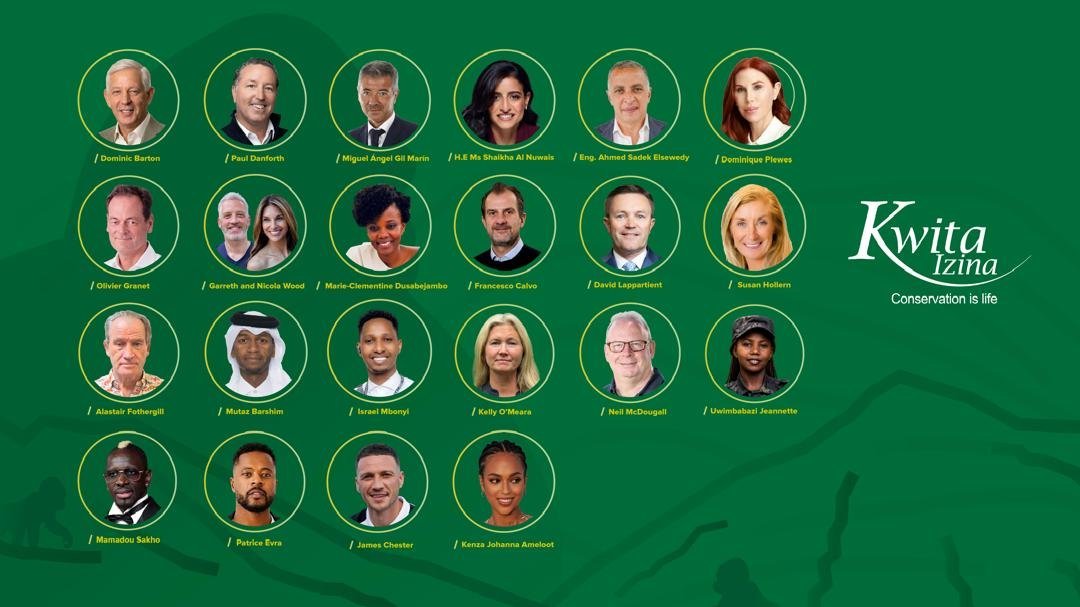
Ishakwe, meaning “determination,” was given to a female baby gorilla from the Muhoza family by Shaikha Al Nowais. The name reflects Rwanda’s commitment to protecting biodiversity and its natural environment.
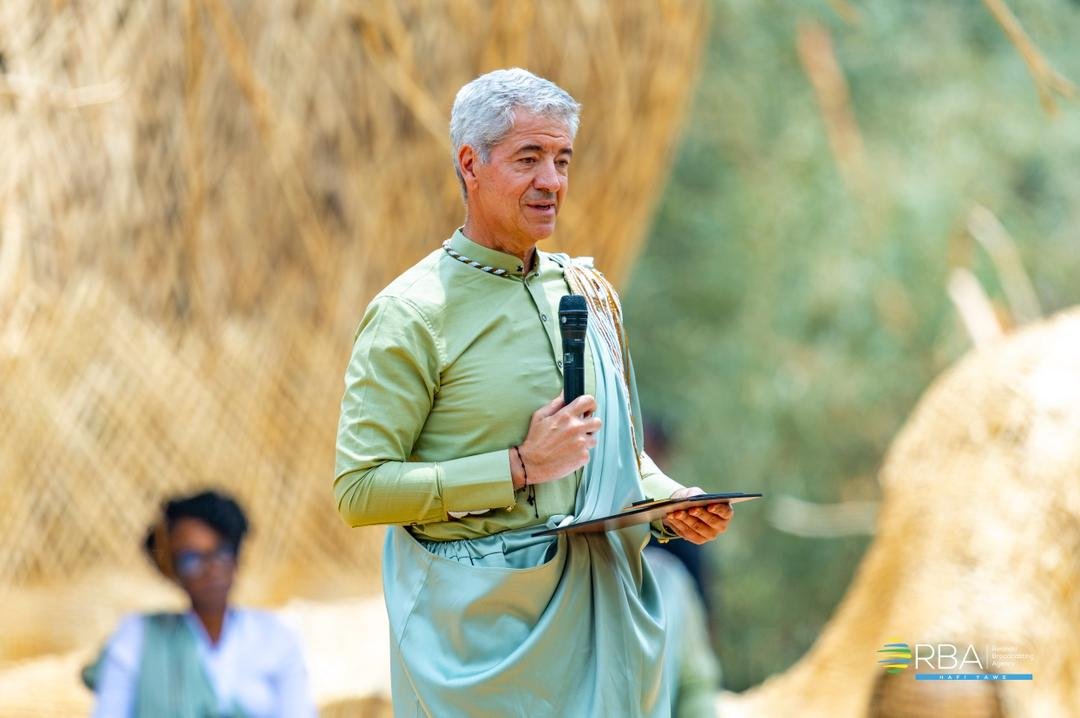
Mukondo, meaning “starting point” or “source,” was given by Dominic Barton to a male baby gorilla from the Izuba family. The name reflects the role mountain gorilla conservation can play in protecting the wider ecosystem.
Shikama, meaning “stand strong,” was given by Paul Danforth to a male baby gorilla from the historic Susa family. The name celebrates the resilience of a gorilla family that has overcome challenges and continues to thrive.
Inkera, meaning “traditional celebration,” was given by Miguel Ángel Gil Marín to a male baby gorilla from the Pablo family. He was born just one day before Umuganura, Rwanda’s traditional harvest and thanksgiving celebration.
Rugamba, meaning “fighter,” was given by Eng. Sadek Elsewedy and Anita Dravec to a male baby gorilla from the Hirwa family. The name reflects a story of resilience involving his mother’s integration into the Hirwa family.
Mucyo, meaning “light,” was given by Olivier and Quitterie Granet to a male baby gorilla from the Ntambara family. The name recognises the role mountain gorillas play in drawing global attention to Rwanda’s wider biodiversity.
Ngabonzima, meaning “protector,” was given by Garreth and Nicola Wood to a male baby gorilla from the Segasira family. As the first-born male in his family, the name carries the hope that he will one day help protect the group.
Ndongozi, meaning “leader,” was given by Aston Villa legend James Chester to a male baby gorilla from the Musilikale family. The gorilla was born to mother Isaro and joins the largest gorilla family in Volcanoes National Park.
Kambere, a name recognising the important role of Volcanoes National Park in welcoming visitors to Rwanda and connecting them with the country’s natural heritage, was given by Susan Hollern to a female baby gorilla.
Bukaka, meaning “majesty, strength and power,” was given by Rwandan filmmaker Marie Clémentine Dusabejambo to a baby mountain gorilla from the Humura family. The name reflects the strength of the baby’s lineage and Rwanda’s continuing conservation story.
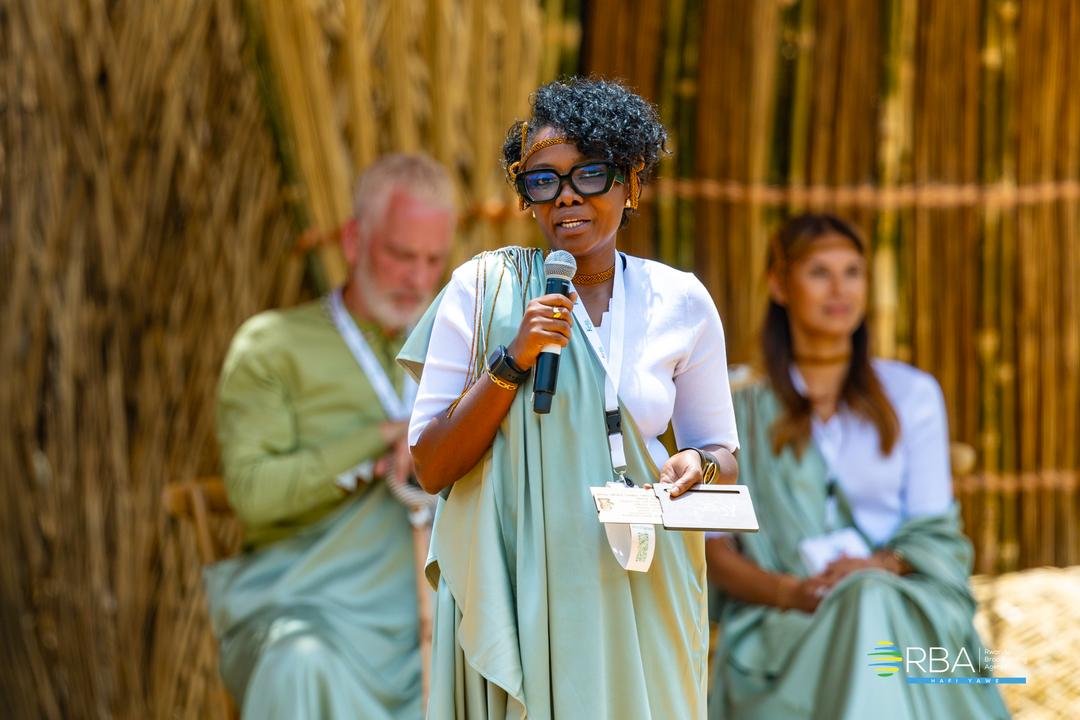
Ngoga, meaning “brave” or “courageous,” was given by Francesco Calvo to a male baby gorilla from the Kwitonda family. His arrival contributes to the continued growth of the family.
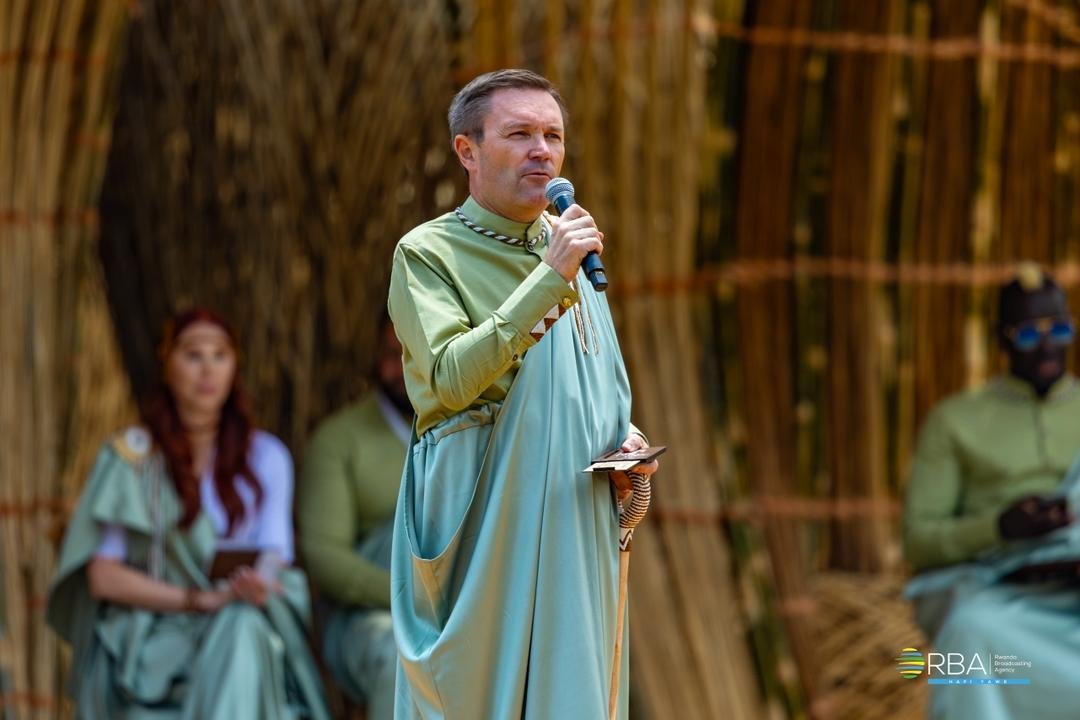
Muhuza, meaning “one who connects” or “brings together,” was given by David Lappartient to a male baby gorilla from the Kwisanga family. The name reflects the shared responsibility of Rwanda, Uganda and the Democratic Republic of Congo in protecting the mountain gorillas’ transboundary habitat.
Komezutsinde, meaning “keep winning,” was given by Dominique Laura Plewes to a male baby gorilla born on June 19, 2025, to mother Nzeri of the Mutobo family. The name celebrates continued success in mountain gorilla conservation.
Mpinga, meaning “on the top,” was given by award-winning filmmaker Alastair Fothergill to a female baby gorilla born on November 11, 2025, to mother Teta of the Pablo family. The name expresses the hope that she will thrive as conservation efforts continue.
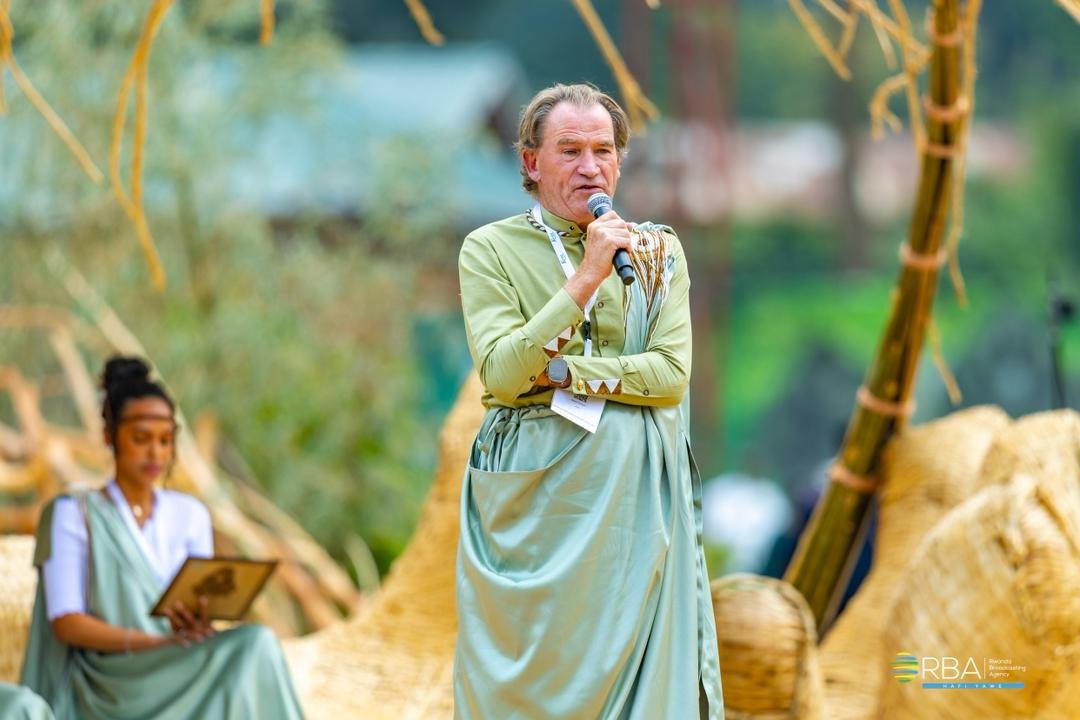
Tarama, meaning “to socialise” or “come together,” was given by Olympic champion Mutaz Essa Barshim to a male baby gorilla from the Humura family. The name reflects nature’s ability to bring people together across cultures and borders.
Impeta, meaning “an award” or “symbol of recognition,” was given by Rwandan gospel singer and songwriter Israel Mbonyi to a male baby gorilla from the Izuba family. The name honours Rwanda’s progress and commitment to protecting its natural heritage.
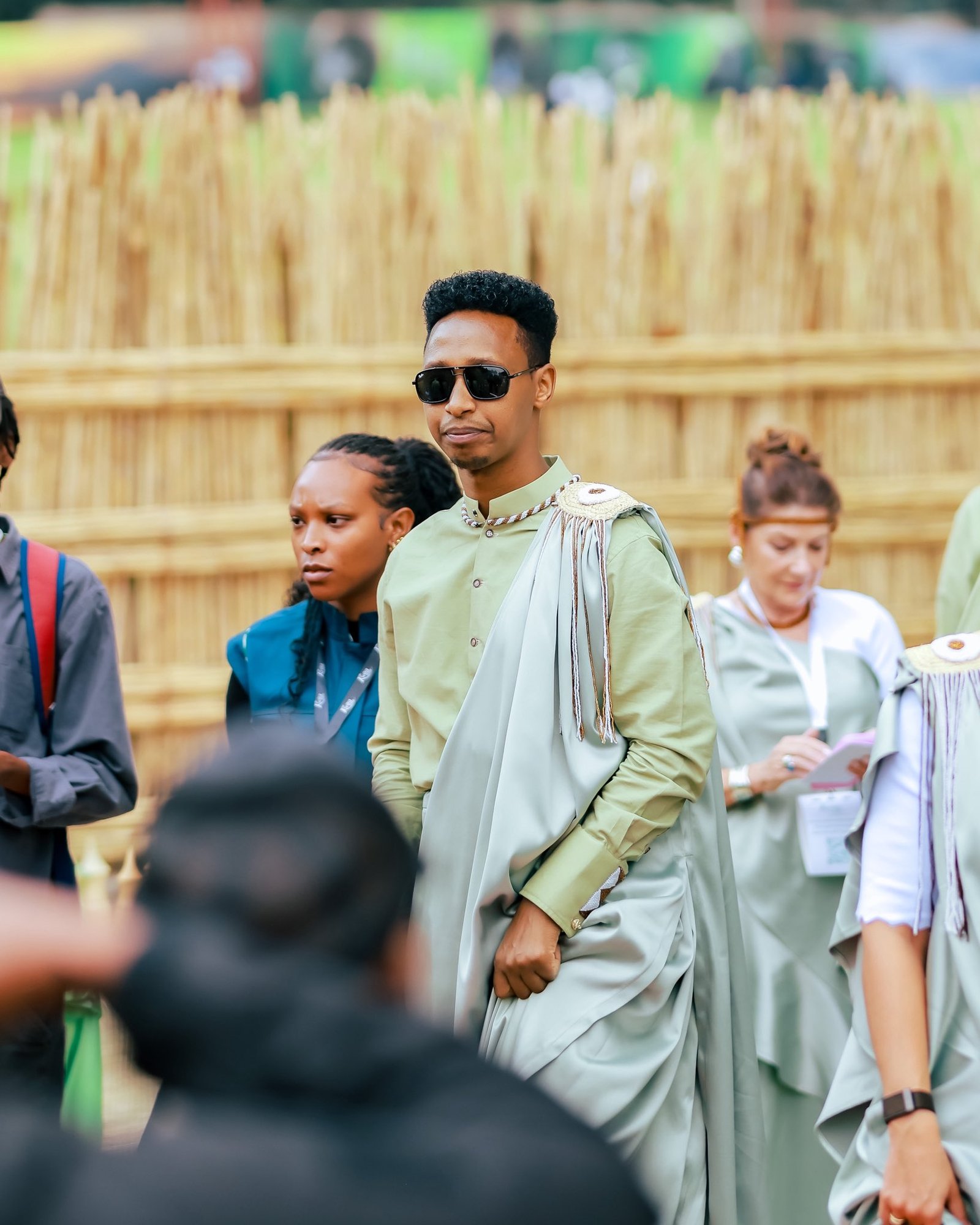
Igeno, meaning “destiny,” was given by Kelly O’Meara to a female baby gorilla born to mother Tabaro of the Musilikale family. She begins her life surrounded by several generations of relatives.
Uruhembe, meaning “at the forefront,” was given by Neil and Susan McDougall to a male baby gorilla from the Izuba family. The name recognises the rangers who work on the frontline every day to protect mountain gorillas and their habitat.
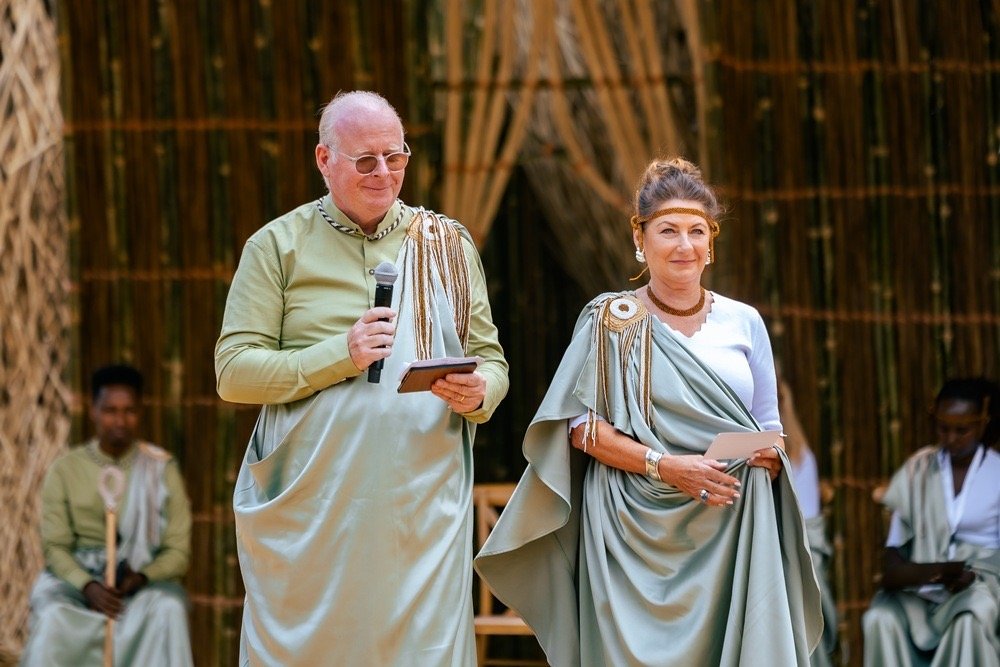
Ndahiro, meaning “commitment,” was given by Nyungwe National Park Ranger Jeannette Uwimbabazi to a male baby gorilla from the Musilikale family. The name represents the shared responsibility to protect mountain gorillas, their habitat and Rwanda’s wider biodiversity.
Ntwarane, representing people “united in pursuit of a common goal,” was given by former French international footballer and Paris Saint-Germain captain Mamadou Sakho. The name celebrates the collective efforts of communities, rangers, conservationists, government and partners.
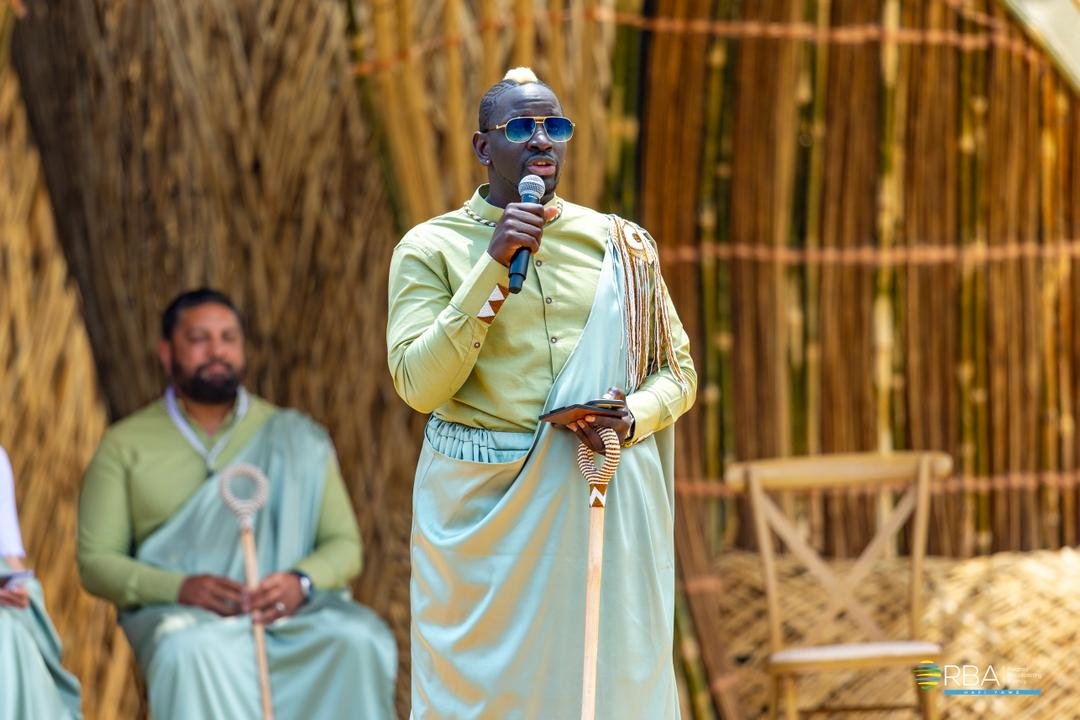
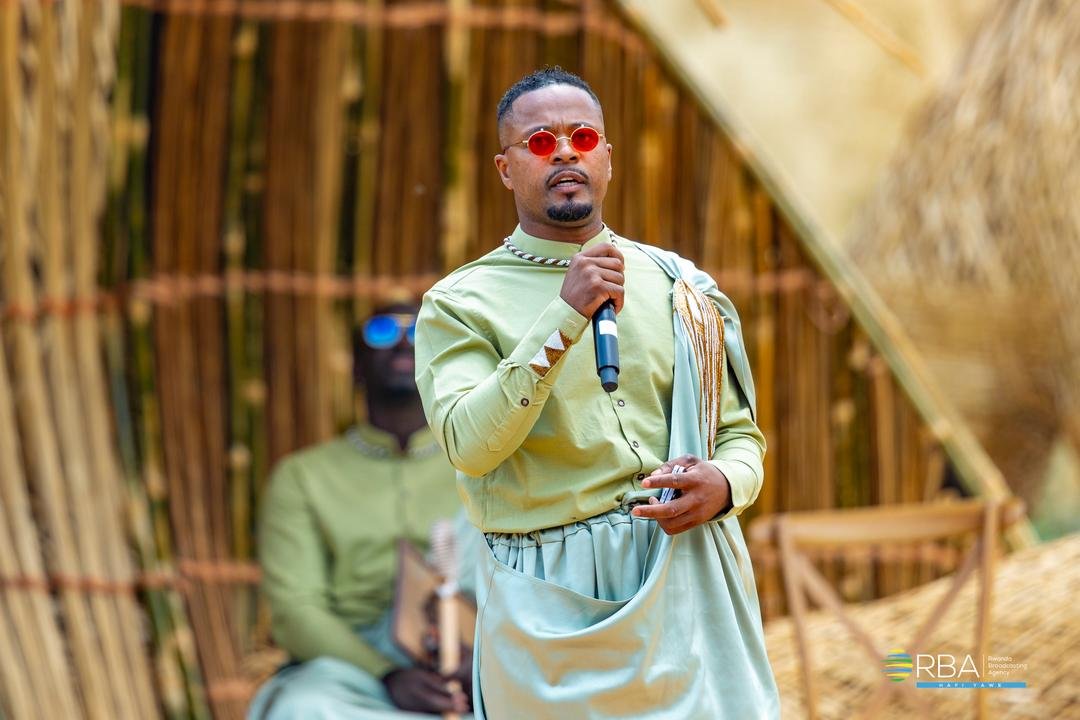
Muganura, inspired by Rwanda’s traditional harvest and thanksgiving celebration, was given by former France and Manchester United captain Patrice Evra to a male baby gorilla from the Izuba family. He is Mafubo’s first infant, making his arrival particularly significant for his mother and family.
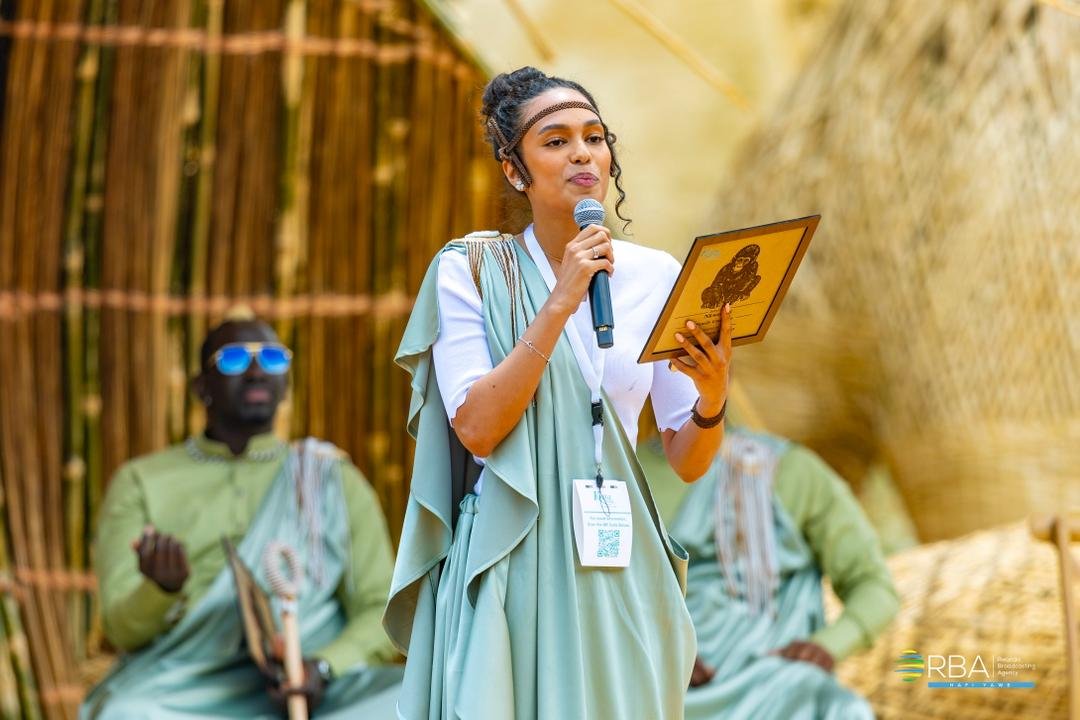
Nkwakuzi, meaning “brave persons,” was given by Miss Belgium 2024 Kenza Johanna Ameloot, who has Rwandan heritage. The male baby gorilla was born on April 15, 2026, to Isimbi of the Umubano family. The name carries the wish that he will grow strong and brave alongside his family in Volcanoes National Park.
Conservation and community development
For Rwanda, Kwita Izina is more than a ceremony to name newborn gorillas. It has become an international platform showcasing the link between wildlife conservation, tourism and community development.
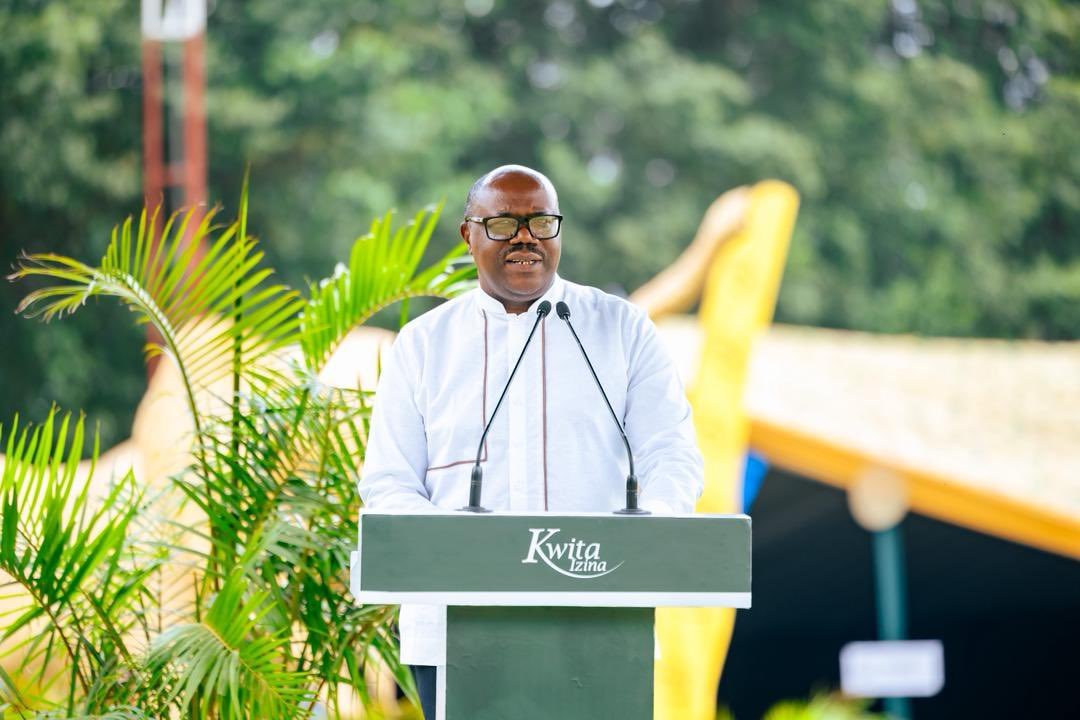
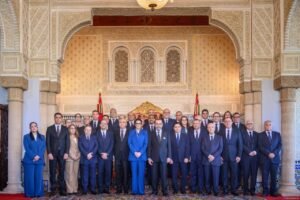
Prime Minister Justin Nsengiyumva, who attended this year’s ceremony as Guest of Honour, highlighted the importance of combining conservation with improved livelihoods for communities living around protected areas.
He noted that in the early 1980s, only about 250 mountain gorillas remained in the Virunga Massif, while today more than 1,000 live in the wild globally, including more than 600 in the Virunga Massif.
According to the Rwanda Development Board, the recovery has been driven by the persistence of rangers, the expertise of veterinarians and researchers, strong conservation policies, responsible tourism and international cooperation.
Rwanda’s Tourism Revenue Sharing Programme allocates 10 percent of national park tourism revenues to communities surrounding protected areas. More than RWF 23 billion has supported nearly 1,300 community projects, including schools, health centres, water infrastructure and livelihood initiatives.
This year’s celebrations also included the groundbreaking of the Smart Green Village in Kinigi, part of the wider Volcanoes Community Resilience Project.
Rwanda’s long-term plans include expanding Volcanoes National Park by approximately 3,740 hectares and establishing about 6,620 hectares of buffer zones. The wider programme is expected to improve livelihoods for more than 17,000 people.
Rwanda’s journey in gorilla conservation
Mountain gorillas were once considered to be at serious risk of extinction because of habitat loss, poaching, disease and other threats.
Today, more than 1,060 mountain gorillas live in the wild across the Virunga Massif and Bwindi ecosystem. They remain the only great ape whose population continues to grow, following decades of cooperation between governments, conservation organisations, researchers, veterinarians, rangers and local communities.
Kwita Izina, meaning “to give a name” in Kinyarwanda, draws on Rwanda’s centuries-old tradition of naming newborn children in the presence of family and community.
Since becoming an official annual event in 2005, it has grown into an internationally recognised conservation platform, celebrating Rwanda’s achievements while highlighting the role of communities and partners in protecting mountain gorillas and their habitat.
As Rwanda celebrated the 22 newborn gorillas named this year, the message remained clear: protecting mountain gorillas also means protecting the forests they depend on and ensuring that communities living alongside them have a stake in their survival.
About Author