
Beyond wildlife protection: How gorilla conservation supports Rwanda’s development
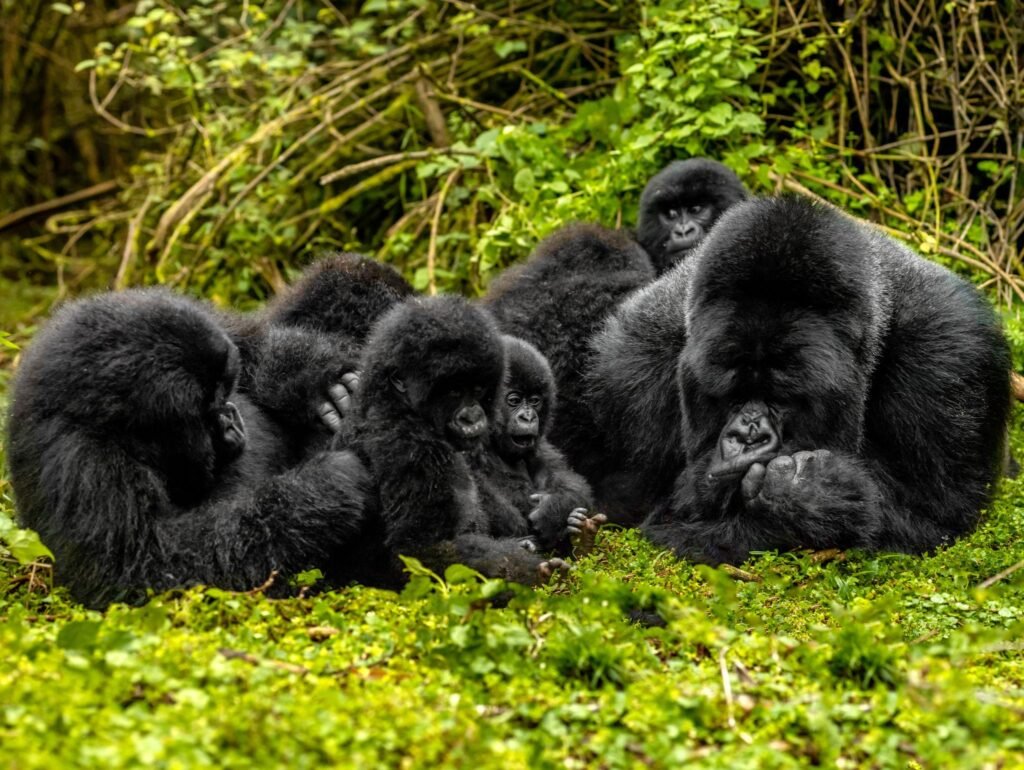
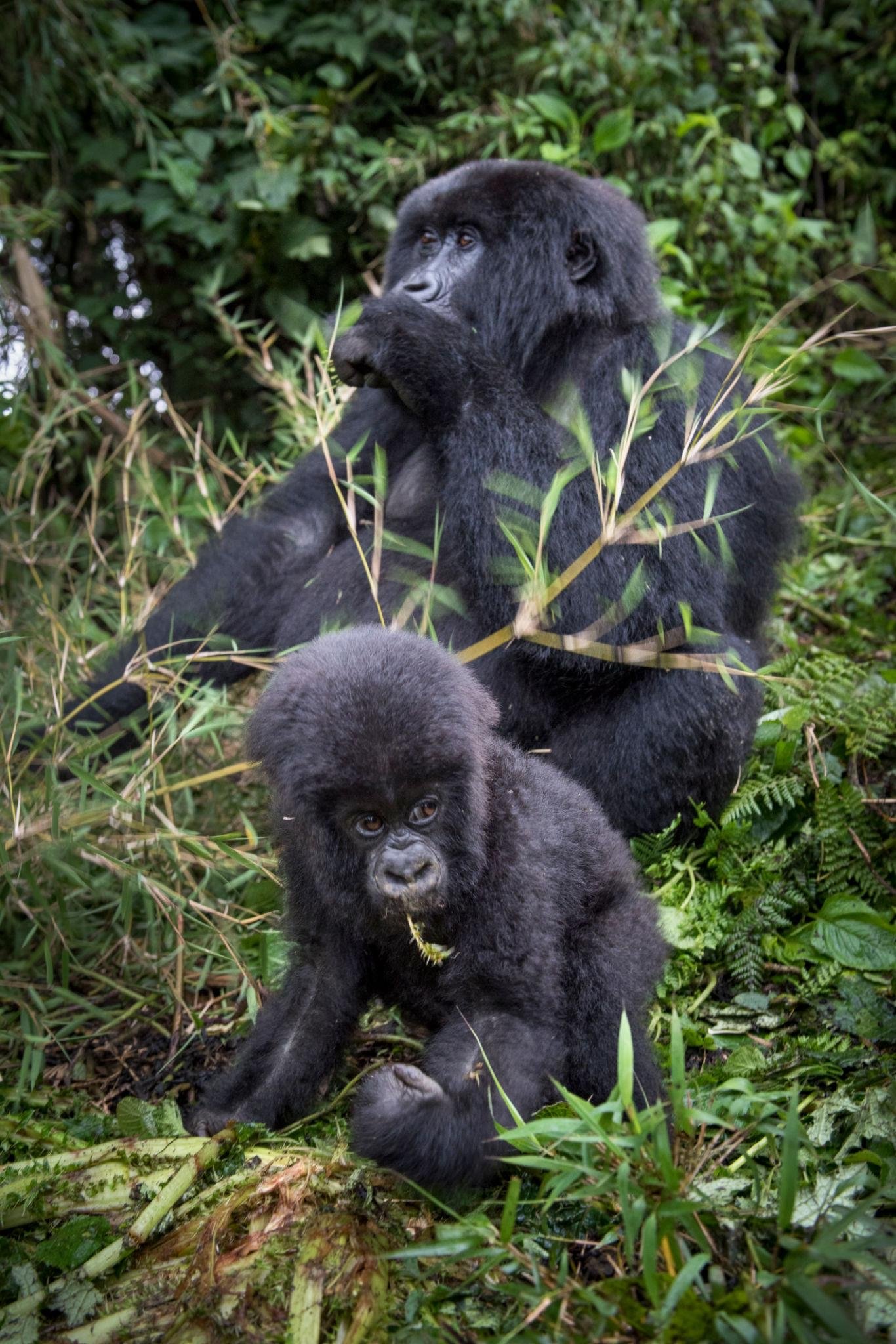
Mountain gorillas are among Rwanda’s most iconic natural treasures, playing a vital role in promoting tourism and conserving biodiversity.
These powerful primates are known for their large size and strength, yet they are generally peaceful animals that live in social groups led by a dominant adult silverback. A group typically consists of females, infants and other males.
Today, more than 1,100 mountain gorillas are found in two main habitats: the Virunga Massif, shared by Rwanda, Uganda and the Democratic Republic of Congo (DRC), and Uganda’s Bwindi Impenetrable National Park.
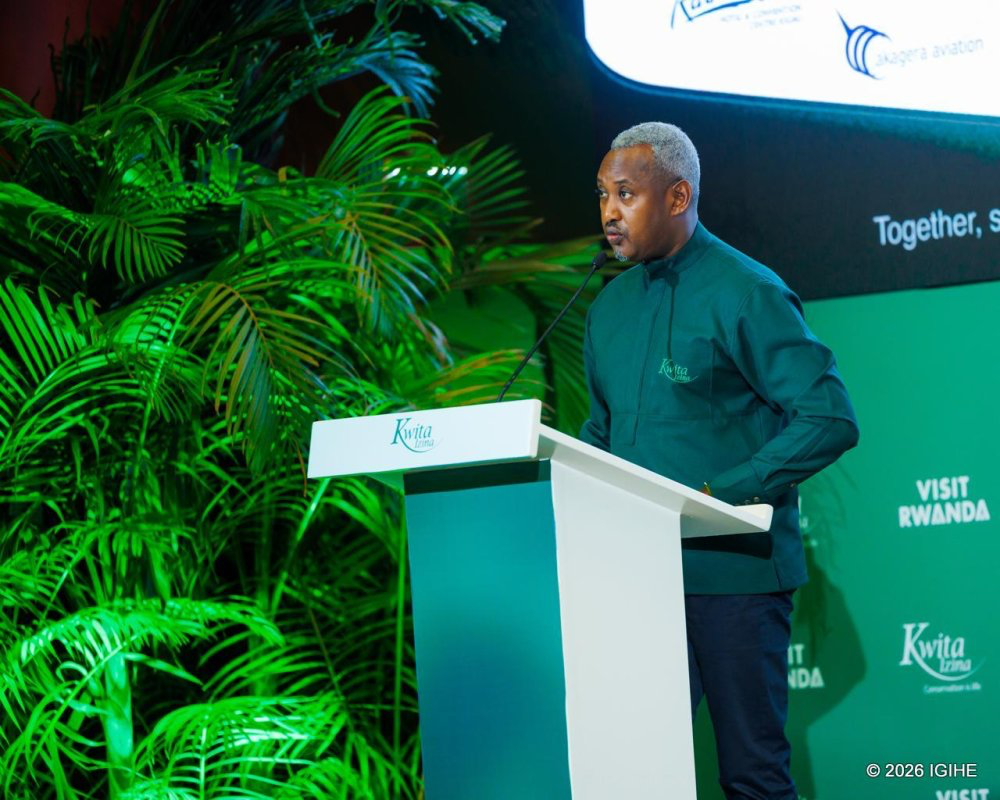
Mutangana Eugène, Executive Secretary of the Rwanda Nature Foundation (RNF), says gorilla conservation is inseparable from environmental protection and can also contribute to the socio-economic development of communities living around protected areas.
“Conservation is not only about protecting animals. It is about creating opportunities for people, supporting communities, promoting tourism and ensuring that future generations inherit a healthy environment.”
Mutangana adds that gorilla tourism remains one of the major attractions drawing visitors to Rwanda, making conservation an issue that goes beyond protecting the species itself.
Tourism and community development
Gorilla conservation plays a significant role in Rwanda’s economy, particularly through tourism.
In 2025, tourism generated $685 million in revenue for Rwanda, up from $647 million in 2024.
During the same year, Rwanda’s national parks received 155,394 visitors and generated $40.8 million in revenue. Volcanoes National Park led the sector, generating $35.8 million.
To ensure that communities living around national parks also benefit from tourism, 10% of park tourism revenues are allocated to community development projects.
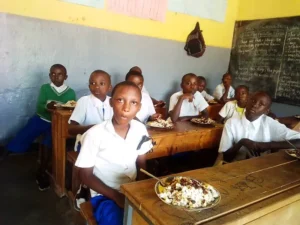
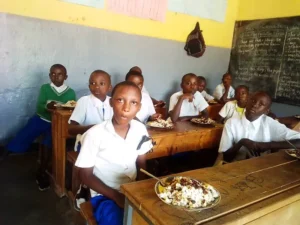
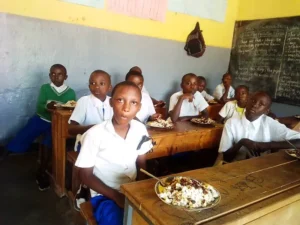
According to the Rwanda Development Board (RDB), more than Rwf23 billion, equivalent to about $16 million, has so far been invested in nearly 1,300 community projects. These include schools, health facilities, access to clean water and other initiatives aimed at improving livelihoods.
Tourism must go hand in hand with environmental protection
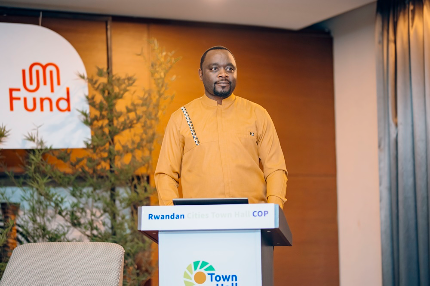
Thadée Twagirimana, Director General in charge of Environment and Climate Change at the Ministry of Environment, says tourism development must go hand in hand with environmental conservation.
“As Rwanda continues to build its reputation as a destination committed to environmental protection, conservation must remain at the heart of sustainable tourism development.”
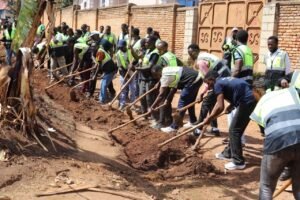
Twagirimana says forests, wetlands, lakes, rivers and wildlife provide essential ecosystem services that support communities while also contributing to efforts to address climate change.
This demonstrates that gorilla conservation should not be viewed solely as an effort to protect wildlife. It is also closely linked to human well-being, economic development and long-term sustainability.
Gorillas as a legacy for future generations
Maurice Mugabowagahunde, Governor of Rwanda’s Northern Province, says the annual Kwita Izina gorilla naming ceremony is a source of pride for residents of the province and reflects Rwanda’s progress in conserving mountain gorillas and biodiversity.
“Kwita Izina is a great source of pride, particularly for the people of the Northern Province. More broadly, it demonstrates the significant progress Rwanda has made in conserving mountain gorillas and protecting biodiversity.”
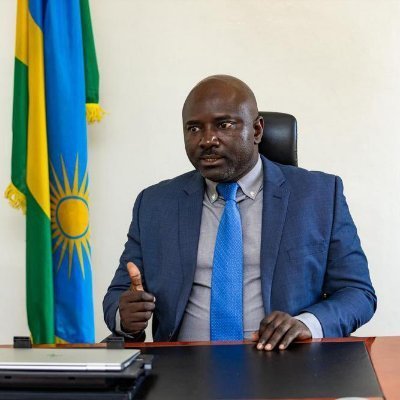
The 21st edition of Kwita Izina is scheduled to take place on September 4, 2026, in Kinigi, Musanze District, where 22 baby gorillas will be given names.
This year’s ceremony will be held under the theme “Conservation is Life: Sustaining the Future.”
Mountain gorillas are no longer viewed simply as an endangered species in need of protection. They have become a powerful symbol of how environmental conservation can be linked to economic development, tourism and improved livelihoods for local communities.
About Author