

Wetlands play a vital role in tackling climate change
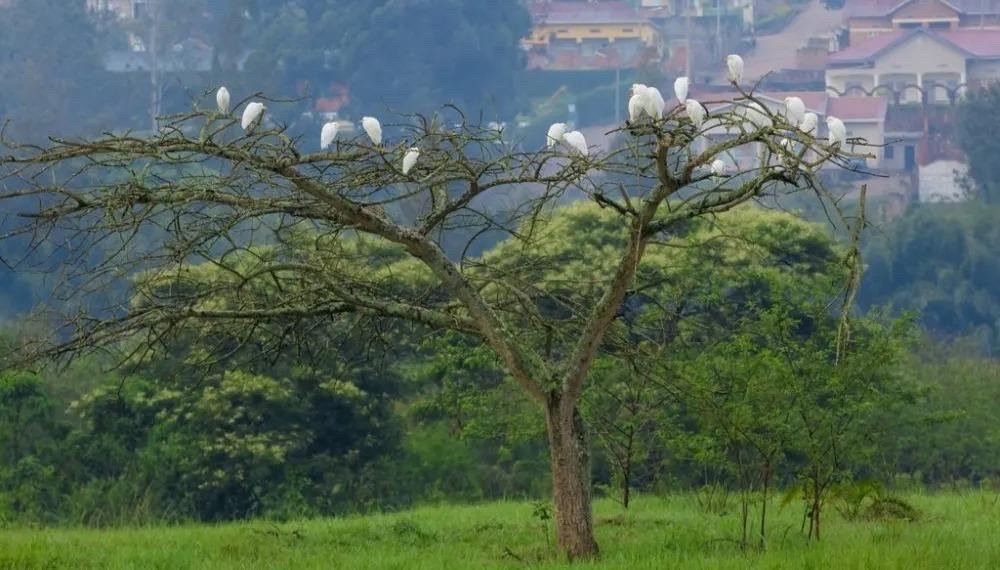
As climate change continues to pose growing environmental and socio-economic challenges, wetlands are emerging as critical ecosystems for environmental protection and strengthening community resilience. In Rwanda, these ecosystems play a vital role in regulating water resources, conserving biodiversity and mitigating the impacts of climate change.
Often described as natural reservoirs, wetlands absorb and store rainwater, helping to reduce the risk of flooding during periods of heavy rainfall. They also contribute to the natural filtration of water and the replenishment of groundwater, supporting more sustainable water availability, particularly during periods of drought.
Wetlands are also important habitats for a wide range of plant and animal species. Numerous birds, fish and plant species depend on these ecosystems for food, shelter and breeding, making wetlands essential to biodiversity conservation.
Beyond their ecological importance, wetlands are valuable allies in the fight against climate change because of their ability to capture and store carbon. By helping to remove and retain carbon from the atmosphere, healthy wetlands can contribute to reducing greenhouse gas concentrations and mitigating global warming, while supporting the overall health of ecosystems.
Recognising their importance, Rwanda has made the protection and restoration of wetlands a key priority in its environmental policies. These efforts aim not only to safeguard natural resources but also to protect communities from climate-related disasters. However, public participation remains essential to prevent activities that could degrade these fragile ecosystems.
Wetlands are therefore much more than natural heritage. They are a sustainable nature-based solution for building a climate-resilient future.
Rwanda’s major wetlands
Rugezi wetland
Located in Rwanda’s Northern Province, between Burera and Gicumbi districts and near Lakes Burera and Ruhondo, Rugezi Wetland is one of the country’s most important wetland ecosystems. Renowned for its rich biodiversity, it plays a major role in water conservation and provides an important habitat for numerous bird species.
Nyabarongo wetland
The extensive Nyabarongo wetland system plays a significant role in regulating water flows and reducing flood risks across several parts of the country.
Akagera wetlands
Located in eastern Rwanda, the Akagera wetlands form an ecologically important ecosystem characterised by exceptional biodiversity and a high concentration of aquatic and bird species.
Mugesera wetland
Known for its importance to agriculture and water-resource management, Mugesera Wetland plays a crucial role in water storage and regulation.
Kamiranzovu wetland
Located in the heart of Nyungwe National Park, Kamiranzovu Wetland contributes to the protection of water resources while providing habitat for a wide variety of plant and animal species.
Cyambwe wetland
Located in Rwanda’s Eastern Province within the Akagera complex of wetlands and lakes, Cyambwe is particularly known for its rich birdlife and vegetation characteristic of wetland ecosystems.
Kibumba wetland
Located in Kigali, Kibumba Wetland has been the focus of restoration and development initiatives aimed at improving environmental management, reducing flood risks and promoting recreational and ecotourism activities.
Wetlands as hubs for ecotourism and research
Rwanda has undertaken several initiatives to restore and sustainably develop its wetlands, creating opportunities for ecotourism, environmental education and scientific research.
Nyandungu Eco-Park
Widely regarded as one of Rwanda’s flagship ecological restoration projects, Nyandungu Eco-Park welcomes visitors, students and researchers. The park features landscaped trails, viewing platforms and facilities that allow visitors to explore and learn about wetland biodiversity.
Rugezi wetland
Recognised as a wetland of international importance, Rugezi is a key destination for birdwatching and scientific research on biodiversity and wetland ecosystems.
Kamiranzovu wetland
Integrated into the tourism experience of Nyungwe National Park, Kamiranzovu attracts visitors interested in exploring forest and wetland ecosystems and their rich biodiversity.
Akagera wetlands
Located around Akagera National Park, these wetlands offer outstanding opportunities for wildlife observation and exploration of aquatic ecosystems.
Mugesera wetland
Mugesera provides an important setting for learning and research on sustainable natural-resource management and environmental conservation.
Protecting wetlands means investing in water security, biodiversity and climate resilience for both present and future generations.
About Author