
Rwanda: Gaps persist in community-based malaria care, says Community Led Monitoring
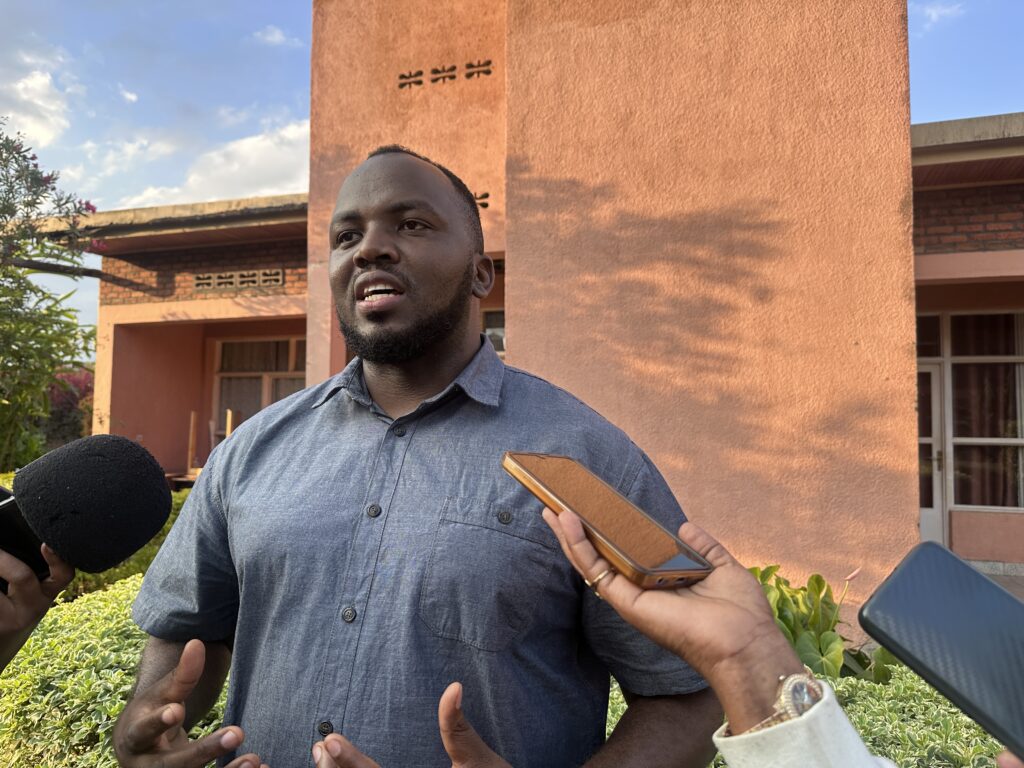
Ngabonzima Louis, Programme Manager at Community Led Monitoring (CLM), an international organization dedicated to promoting health and protecting human rights.
Although Rwanda has made community-based malaria management a cornerstone of its national malaria control strategy, health sector stakeholders say significant challenges remain.
Community Led Monitoring (CLM) reports that community health workers continue to face recurrent shortages of antimalarial medicines, undermining the original goal of treating the majority of uncomplicated malaria cases at the community level.
The Ministry of Health, through the Rwanda Biomedical Centre (RBC), introduced the Home-Based Management of Malaria (HBMM) programme to improve access to timely diagnosis and treatment. Under this initiative, community health workers are responsible for screening uncomplicated malaria cases, administering treatment, and monitoring patients throughout their recovery.
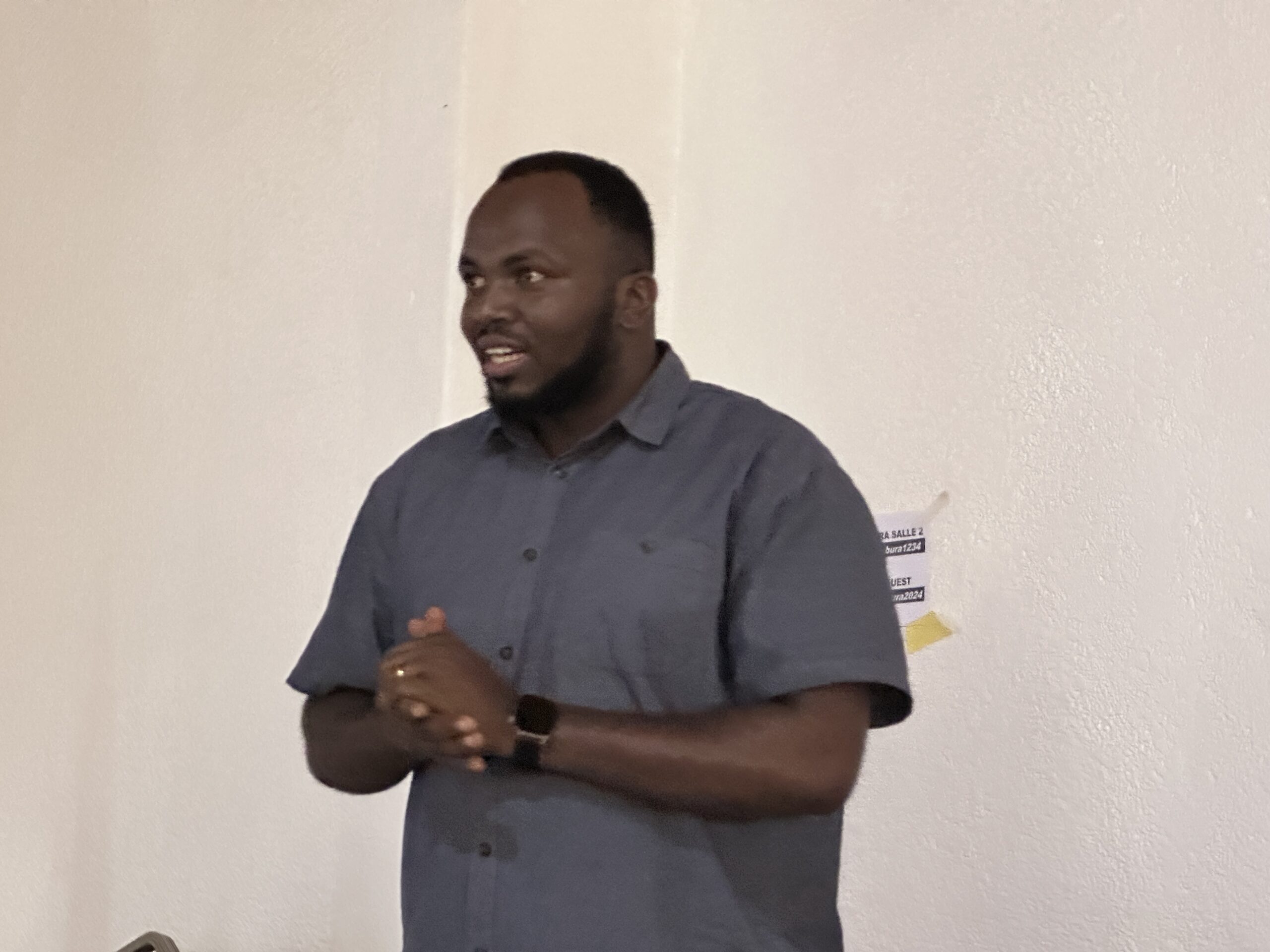
However, according to Ngabonzima Louis, programme manager at Community Led Monitoring (CLM), the availability of medicines remains a major obstacle.
“Community health workers continue to experience stock-outs of antimalarial medicines. Yet the national strategy initially aimed for nearly 80 percent of malaria cases to be treated within the community,” he said.
Community health workers struggle with medicine shortages
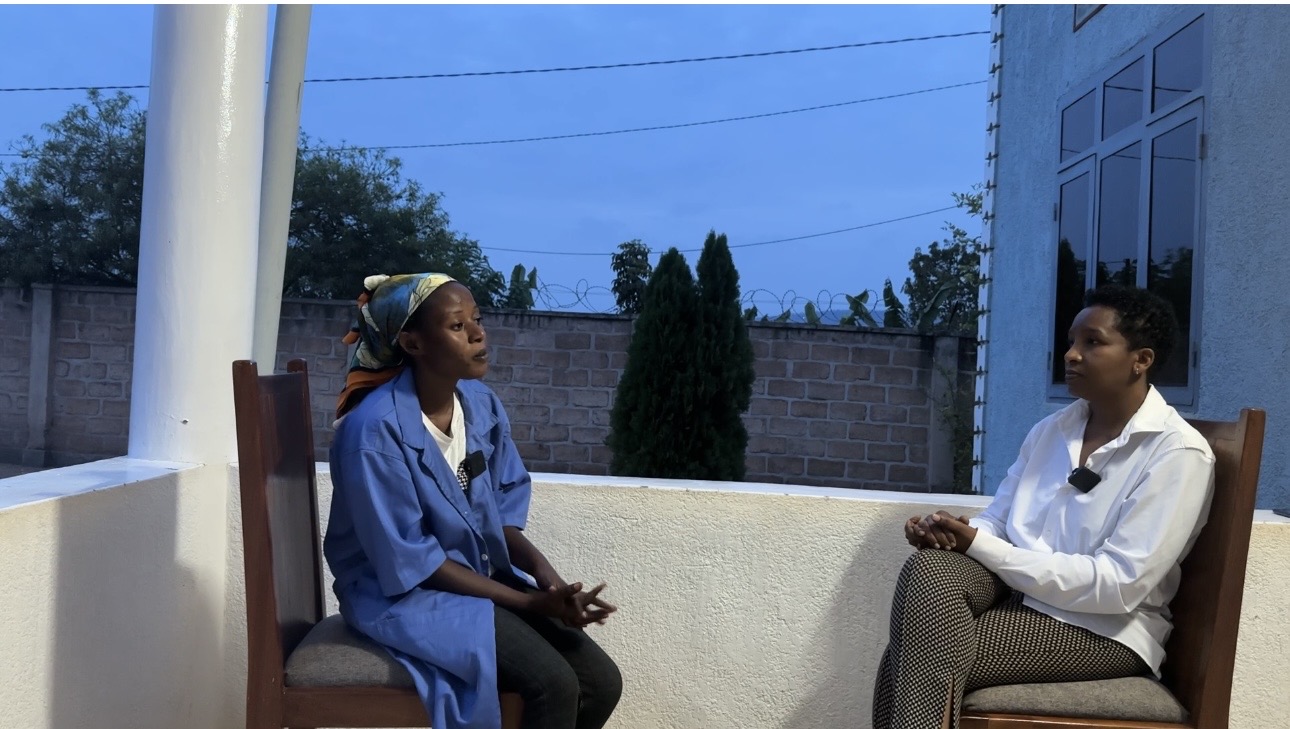
In Tumurere Village, Kibenga Cell, Ndera Sector of Gasabo District, Uwera Rosette has served as a community health worker since 2021. She provides screening and treatment for malaria, pneumonia, and diarrhoeal diseases.
She recalls that during the early years of her service, she received many malaria patients and was able to provide treatment immediately.
Since 2025, however, the situation has changed.
“Medicine supplies need to be increased so that we can continue carrying out our responsibilities effectively. The quantities we receive today are limited. In some cases, medicines are prioritized for the hardest-hit areas or do not reach every community health worker. As a result, many patients are now referred to health centres because treatment is unavailable at the community level,” she explained.
Despite these challenges, Rosette says the greatest reward in her work is seeing patients recover.
“Seeing someone regain their health because of the care I provided is my greatest satisfaction.”
RBC attributes shortages to supply chain delays
Speaking to The Bridge Magazine, Dr. Jean Damascène Niyonzima, Head of the Malaria Unit within the National Malaria Control Programme at the Rwanda Biomedical Centre (RBC), said community health workers currently manage between 55 and 60 percent of uncomplicated malaria cases nationwide.
He noted that severe malaria cases are systematically referred to health facilities. In addition to diagnosis and treatment, community health workers also support the distribution of insecticide-treated mosquito nets, indoor residual spraying campaigns, and the collection of health data.
Regarding medicine shortages, Dr. Niyonzima said they are primarily linked to procurement and supply chain delays.
“When malaria cases increase sharply, available stocks can be depleted very quickly. Since these medicines are imported, replenishing supplies takes time. In 2025, the significant surge in malaria cases required additional national procurement. Medicines are now available, although distributing them to every community health worker can still take time.”
The 80 percent target has been revised
Dr. Niyonzima emphasized that the earlier objective of treating 80 percent of malaria cases at the community level is no longer part of the current strategy.
“With the establishment of Health Posts, community health workers are no longer the only providers of primary healthcare services at the local level. As a result, programme targets have been revised to reflect the evolving organization of Rwanda’s healthcare system.”
Rotating antimalarial medicines to prevent drug resistance
The RBC official also explained that antimalarial medicines are periodically rotated to reduce the risk of parasite resistance.
“We alternate treatment regimens in line with the recommendations of the World Health Organization. If a medicine becomes less effective in a particular area, it is replaced with another in order to preserve treatment efficacy.”
According to Dr. Niyonzima, Rwanda’s first nationwide rotation of antimalarial treatment regimens is scheduled for September, as part of the country’s strategy to prevent drug resistance and maintain the long-term effectiveness of malaria treatment.
About Author