
Rwamagana: Agricultural insurance expected to protect farmers from disaster related losses
As farmers in Rwanda’s Rwamagana District prepare for the 2027A agricultural season, they are being encouraged to insure their farmland to minimise potential losses caused by disasters, including drought. The call comes amid concerns among some farmers over delayed rainfall and rising prices of seeds and fertilisers.
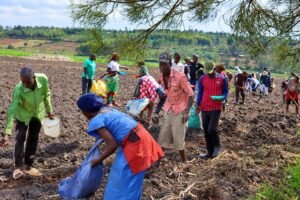
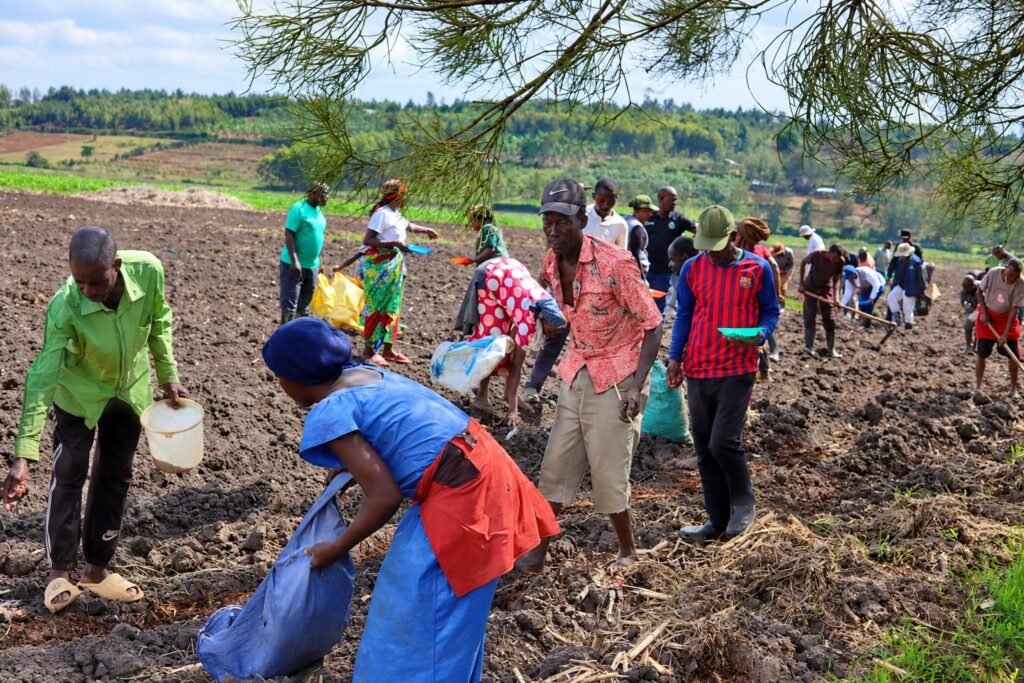
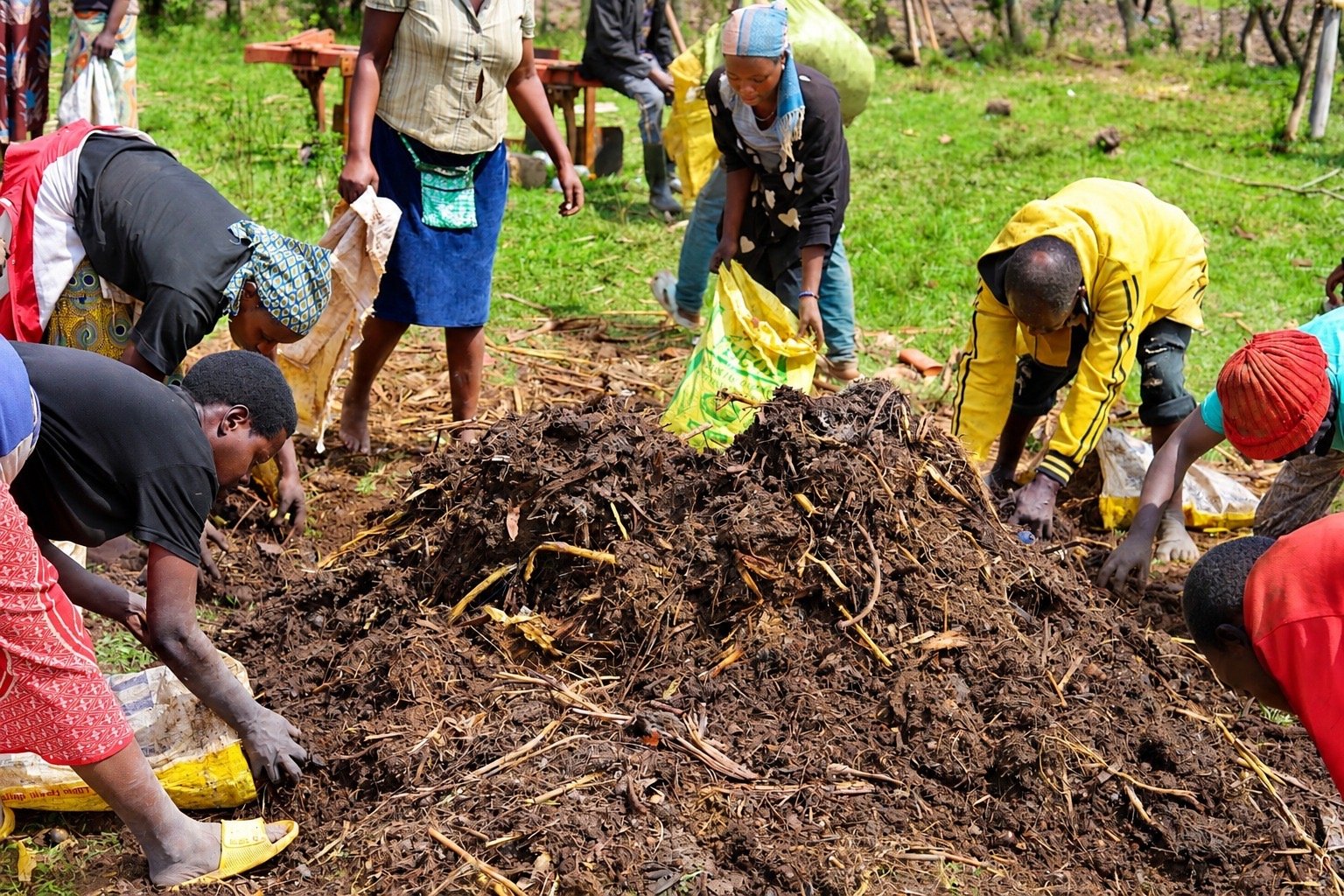
The 2027A agricultural season was officially launched in Kavura wetland, located in Nyarusange Cell, Muhazi Sector, Rwamagana District. During the launch, farmers were urged to use improved seeds suited to their soil conditions, apply appropriate fertilisers and insure their farmland against potential agricultural losses.
Richard Rwabunono Kagabo, the Deputy Mayor of Rwamagana District in charge of Economic Development, said the start of the agricultural season had been delayed because the rains arrived later than expected.
He urged farmers not to wait until disasters strike before considering agricultural insurance, stressing the importance of securing coverage early.
“We are urging everyone who has already planted seeds to declare the area they have cultivated and insure it. As you can see, more than half of the land that is supposed to be cultivated in this area has already been insured. We will continue encouraging others to do the same so that we can achieve 100 per cent coverage,” he said.
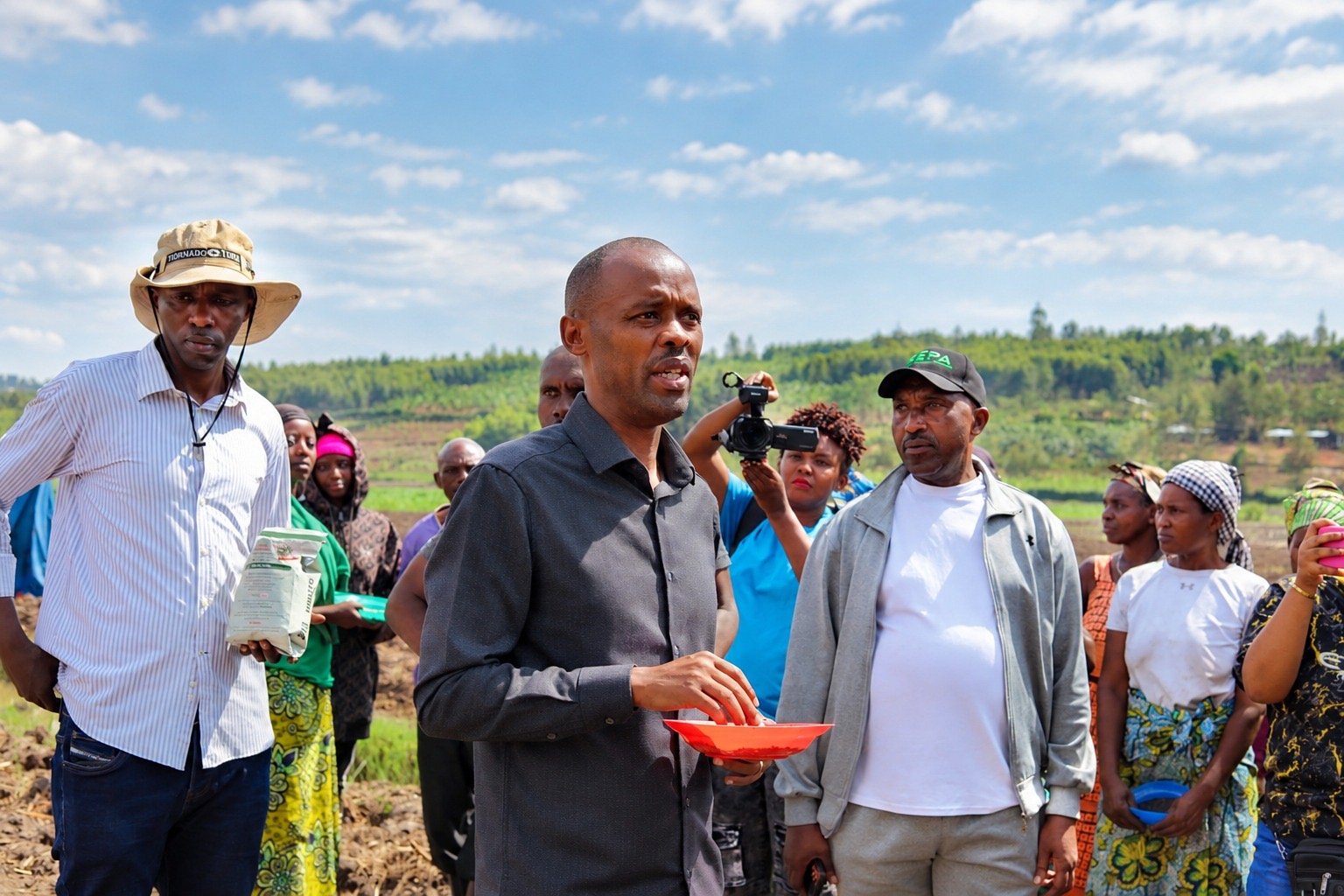
He explained that agricultural insurance is one of the mechanisms that can help farmers cope with losses resulting from covered risks, protecting them from losing their entire investment in farming.
“We cannot predict when drought may occur. Insurance therefore helps protect farmers’ investments and provides support when they suffer losses resulting from insured risks,” he said.
The district official also encouraged farmers to use improved seeds and appropriate fertilisers suited to their soil conditions to increase agricultural productivity.
He noted that using quality seeds and agricultural inputs could significantly improve yields, depending on soil conditions and the farming practices employed.
Farmers call for fair and timely compensation
Despite preparations for the new agricultural season, some farmers remain concerned about whether they will achieve satisfactory harvests, particularly given changing weather patterns and the rising cost of agricultural inputs.
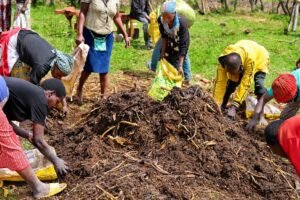
Musabyeyezu Léoncia, a resident of Kavura Village in Nyarusange Cell, said farmers were preparing for the new season by getting their fields ready, digging planting holes and transporting fertilisers to their farms.
However, she emphasised the need for farmers who suffer losses caused by disasters to receive compensation in accordance with the damage incurred and the terms of their insurance policies.
“We want local authorities and insurance officials to visit our farms whenever we suffer losses caused by disasters and assess the damage, so that farmers who qualify for compensation can receive it,” she said.
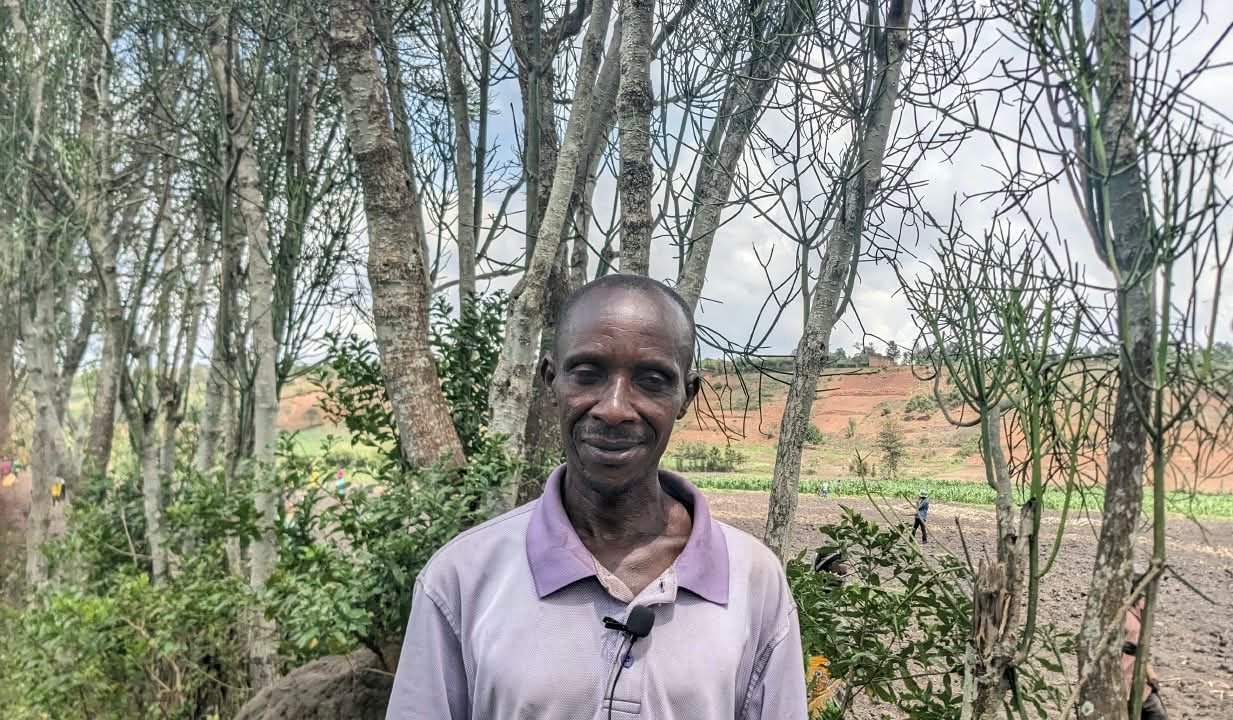
Gatete Innocent, a farmer in Muhazi Sector, also believes agricultural insurance can help farmers manage the financial risks associated with disasters.
“If we experience a disaster despite having insurance, the relevant officials should come and assess what we invested in farming and the damage caused. Farmers who meet the requirements should then receive compensation,” he said.
For agricultural insurance to effectively protect farmers, however, they need clear information about how to obtain coverage, the risks covered by their policies, the conditions for receiving compensation and the procedures for filing claims.
Such information would help farmers understand their rights and make informed decisions to reduce the effects of disasters on their livelihoods and those of their families.
Agricultural land allocation for the 2027A Season
Kavura wetland, where the agricultural season was launched, covers an area of 82 hectares.
During the 2027A agricultural season, consolidated farmland allocated to different crops is expected to include 17,170 hectares of maize, 415 hectares of soybeans, 432 hectares of rice, 833 hectares of cassava and 15,703 hectares of beans.
These figures indicate the areas allocated to different crops during the season. However, a clearer picture of agricultural progress would require additional data showing how much land has already been planted, how much is covered by insurance and how much is expected to be harvested.
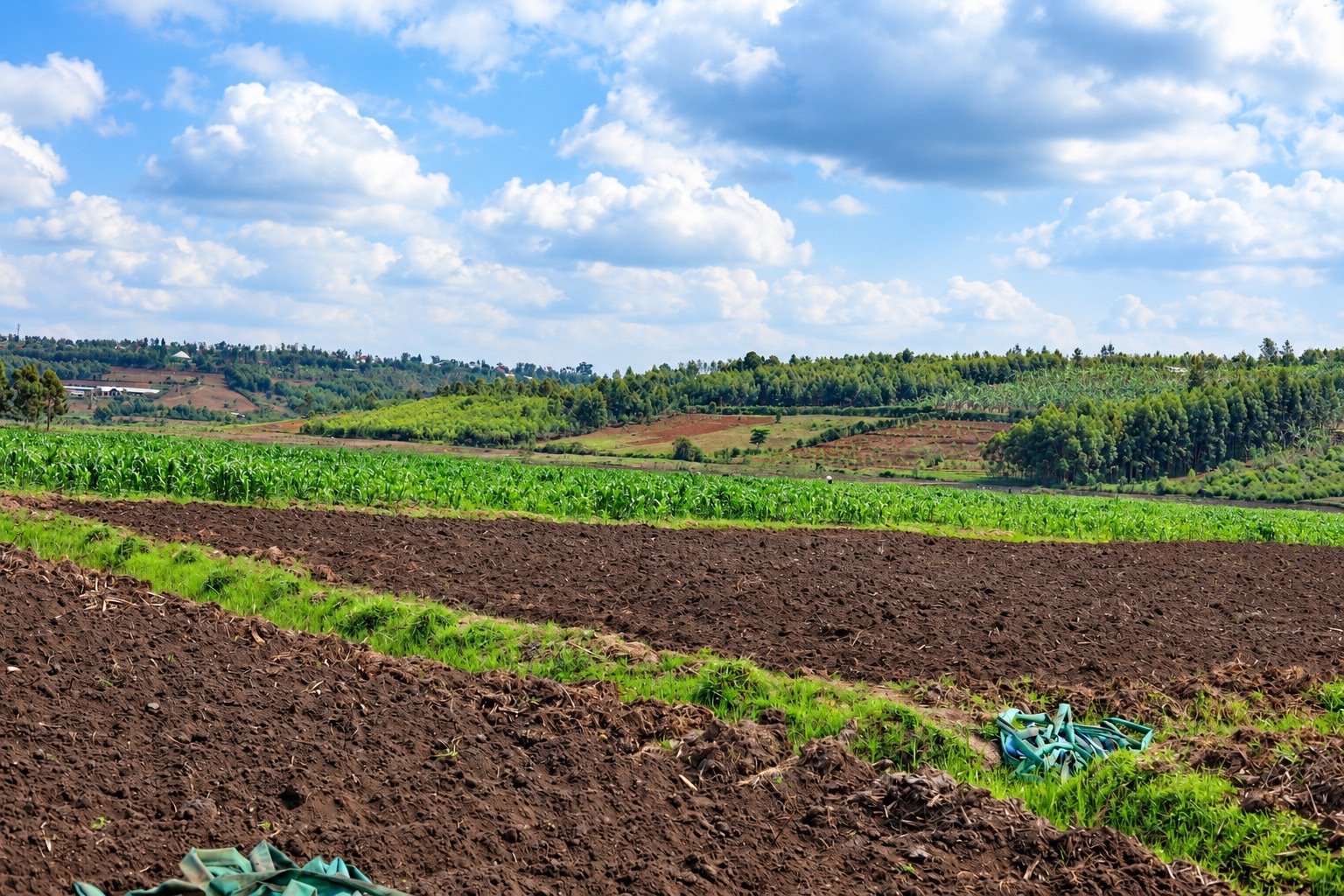
For farmers in Rwamagana District, agricultural insurance could be an important strategy for reducing the impact of disasters on crop production and protecting investments in farming. Its effectiveness, however, will depend partly on farmers’ understanding of the available insurance schemes, the risks covered and the procedures for accessing compensation.
By Nyirahabimana Joséphine
About Author