
Rwanda’s Village Elections: Citizens demand better roads and public services
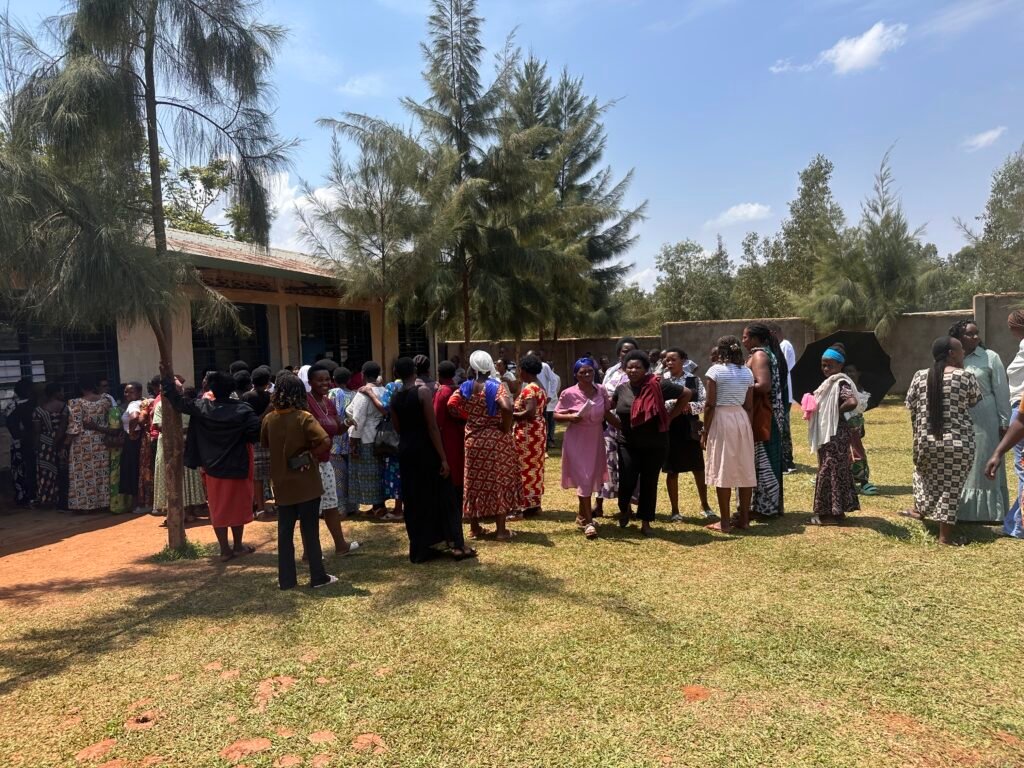
Residents of Ndera Sector in Gasabo District have urged newly elected village leaders to prioritise road improvements, access to quality public services, security and social welfare, saying closer cooperation between local authorities and communities will be essential to addressing grassroots challenges.
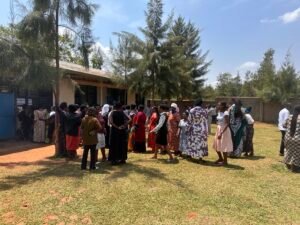
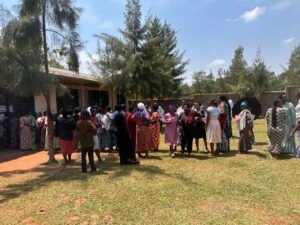
The calls followed village-level local government elections held across Rwanda on Saturday, 24 October 2026, during which residents elected leaders to represent them and oversee development activities in their communities.
In Kibenga Cell, residents highlighted the need for responsive leadership, improved infrastructure, community participation and sustained efforts to prevent gender-based violence.
Residents call for accessible and accountable leadership
Alfonsine Mukarurangwa, a resident of Tumurere Village in Kibenga Cell, said she was pleased with the election process and emphasised the importance of residents freely choosing their representatives.
She called on elected leaders to ensure that public services are accessible to everyone, without discrimination, and that residents seeking assistance are treated with dignity.
“Residents should feel free to approach their leaders and receive quality services without anyone being excluded. Every resident should be welcomed and helped to resolve their problems. If a leader cannot address an issue directly, they should refer the person to the appropriate authority,” she said.
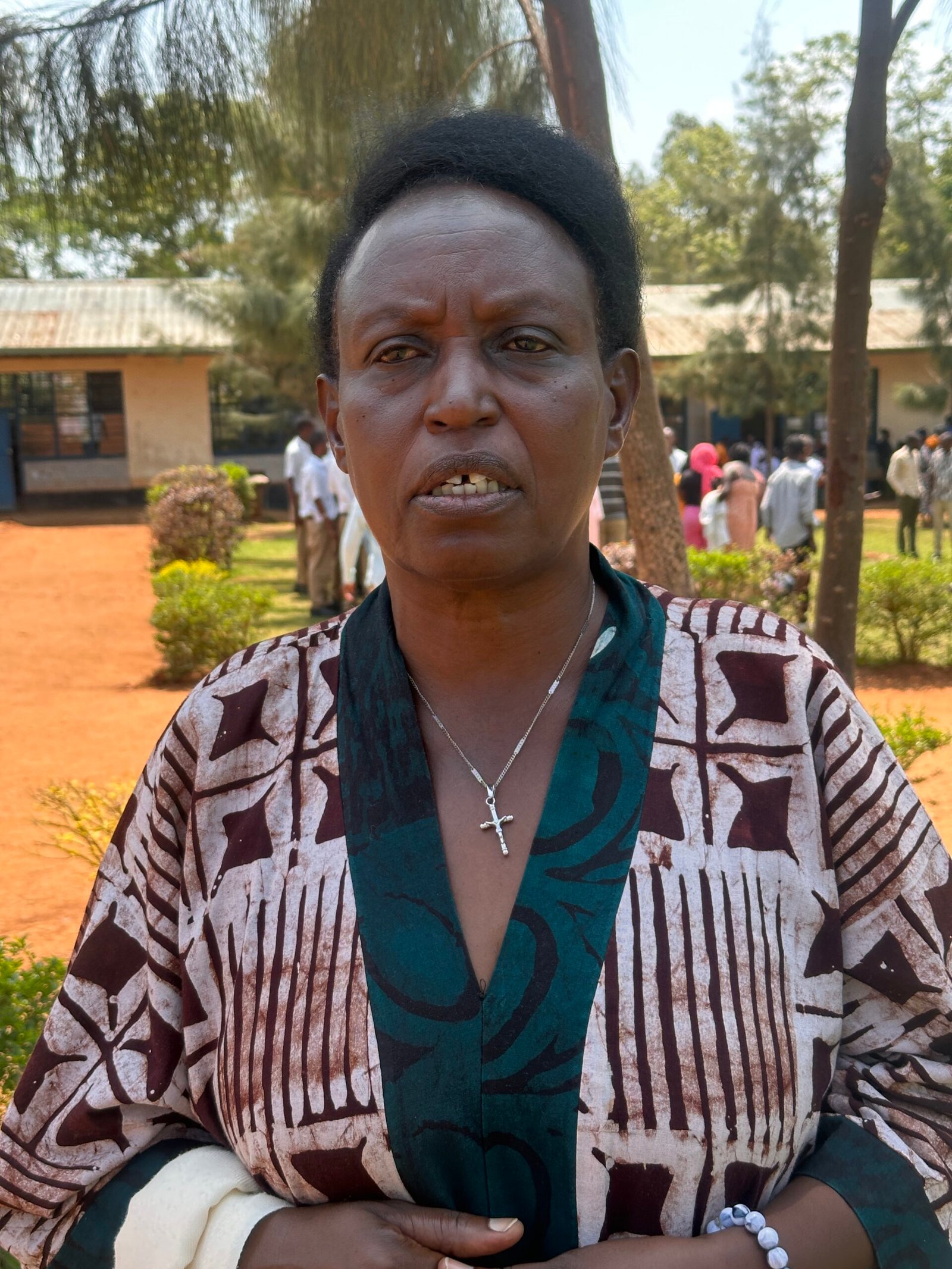
Mukarurangwa said local development should not be left to leaders alone, arguing that residents must also contribute ideas and participate in identifying community priorities.
“Residents need to work alongside their leaders, consult one another and cooperate. Leaders should not be the only ones deciding what needs to be done. Residents also have ideas that should be considered when determining which activities deserve priority,” she said.
She urged the newly elected leaders to prioritise sanitation and the maintenance of clean, accessible roads connecting different parts of the community.
On gender-based violence, Mukarurangwa said she had not heard of any cases in Tumurere Village but stressed the importance of continued awareness campaigns to prevent violence and promote respect for everyone’s rights.
“Everyone has equal rights and deserves to be treated with dignity, whether a woman, a man or a child. No one should be subjected to violence,” she said.
Residents pledge cooperation with elected leaders
Harinditwari Samuel said residents were satisfied with the election process and expected the newly elected leaders to build on existing development efforts.
He identified social welfare, road infrastructure and security as key priorities for the incoming village leadership.
“We have elected leaders we are happy with and believe are capable of serving us. We ask them to focus on residents’ welfare, roads and security, while continuing the work already underway. We are ready to support them,” he said.
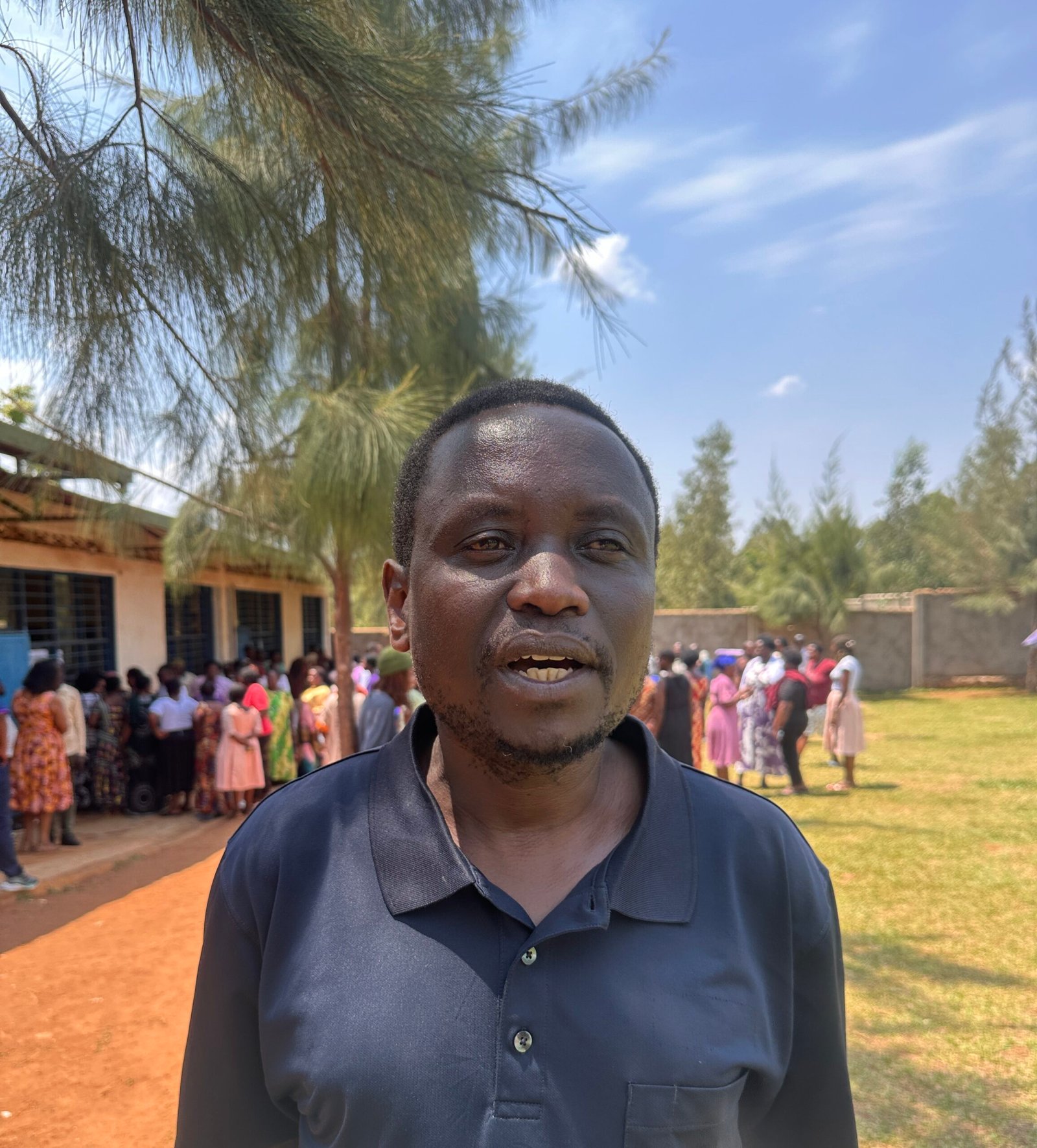
Samuel added that residents also had a responsibility to contribute to local development by attending community meetings, participating in activities organised by their leaders and contributing labour and resources where necessary.
He said sustained cooperation between residents and local authorities would help translate development commitments into tangible improvements in living conditions.
Re-elected village leader puts road infrastructure at the top of his agenda
Nkurunziza Vincent, 55, was re-elected as leader of Bahoze Village in Kibenga Cell after completing his first term. He said the renewed mandate reflected the trust residents had placed in him following what he described as progress in development, security and social welfare.
“Residents saw what I had achieved in development, security and social welfare, and they trusted me enough to elect me again. I see this as an opportunity to continue fulfilling my responsibilities,” he said.
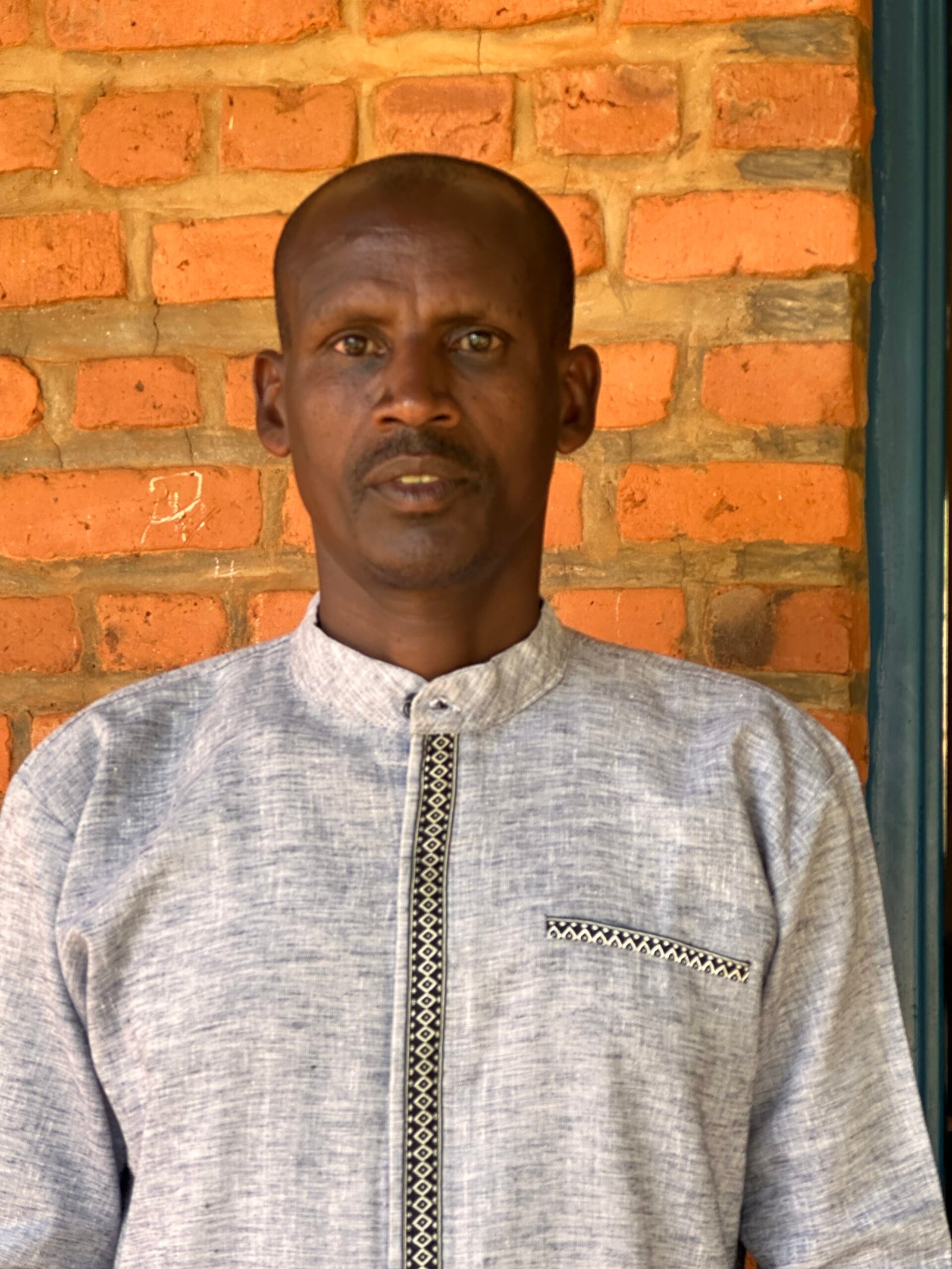
However, Nkurunziza acknowledged that some priorities remained unresolved, particularly the poor condition of roads serving residential neighbourhoods.
He said Bahoze Village hosts several public institutions and facilities, including the Ndera Sector offices, Kibenga Cell offices, Kibungo Health Centre, a vehicle inspection centre, a police station, Ndera Minor Seminary, a parish and Groupe Scolaire Ndera, where the elections took place.
Despite these facilities, he said improving access roads remained a priority because damaged roads made movement difficult for residents and affected connections with neighbouring communities.
“Our first priority is to improve the roads. Residents have started organising themselves to promote their own development, and better roads are essential for easier movement and stronger connections with neighbouring villages,” he said.
Bahoze is surrounded by villages including Rugazi, Tumurere and Runyonza. According to Nkurunziza, improving road access would facilitate movement between these communities.
He also outlined plans to clear trees and vegetation around homes and install streetlights to improve lighting in the village. These measures, alongside road improvements, are intended to address local infrastructure needs.
Nkurunziza urged residents to work closely with their leaders and take ownership of community development initiatives.
“First, residents must comply with the established regulations. Second, they must cooperate with their leaders. Third, they must understand that development projects belong to them and that they have a responsibility to participate in them,” he said.
He stressed that community participation would be critical to implementing development plans and maintaining infrastructure.
Village elections mark the first stage of a wider electoral process
At the village level, voters elected five-member village executive committees comprising the village leader and officials responsible for security, social welfare, information and training, and development.
Representatives were also elected to represent villages on Cell Councils. In addition, executive committees of national councils representing women, youth and persons with disabilities were elected at the village level.
The electoral process is scheduled to continue at cell, sector and district levels through November 2026, according to the timetable provided by the National Electoral Commission.
Key dates in the electoral calendar
31 October 2026: Elections at the cell level, including representatives to Sector Councils, women’s representation in Sector Councils, executive committees of Women’s Councils, representatives of special categories and the Bureau of Cell Councils.
7 November 2026: Elections at the sector level, including representatives of special categories and leadership structures of the Women’s, Youth and Persons with Disabilities Councils. Campaigns for District Council candidates are also scheduled to begin and continue through 21 November.
14 November 2026: Elections of executive committees of the Women’s, Youth and Persons with Disabilities Councils at district level.
17 November 2026: Election of five women to District Councils to meet the stipulated 30 per cent representation requirement.
21 November 2026: Election of eight general councillors to District Councils.
24 November 2026: Election of District Council bureaux and District Executive Committees. The latter comprise a District Mayor and two Deputy Mayors responsible for economic development and social affairs, respectively.
28 November 2026: Elections of executive committees of the Women’s Councils and Councils of Persons with Disabilities at provincial level and in the City of Kigali.
30 November 2026: Elections of members of the executive committees of the national councils.
The National Electoral Commission’s timetable states that the structures of the national councils are expected to be fully constituted by 15 December 2026, with the final general election report due by 30 December 2026.
The newly elected local government leaders are expected to serve five-year terms, renewable once through a subsequent election.
About Author