
GS Masaka: Anti-violence club helps students prevent abuse
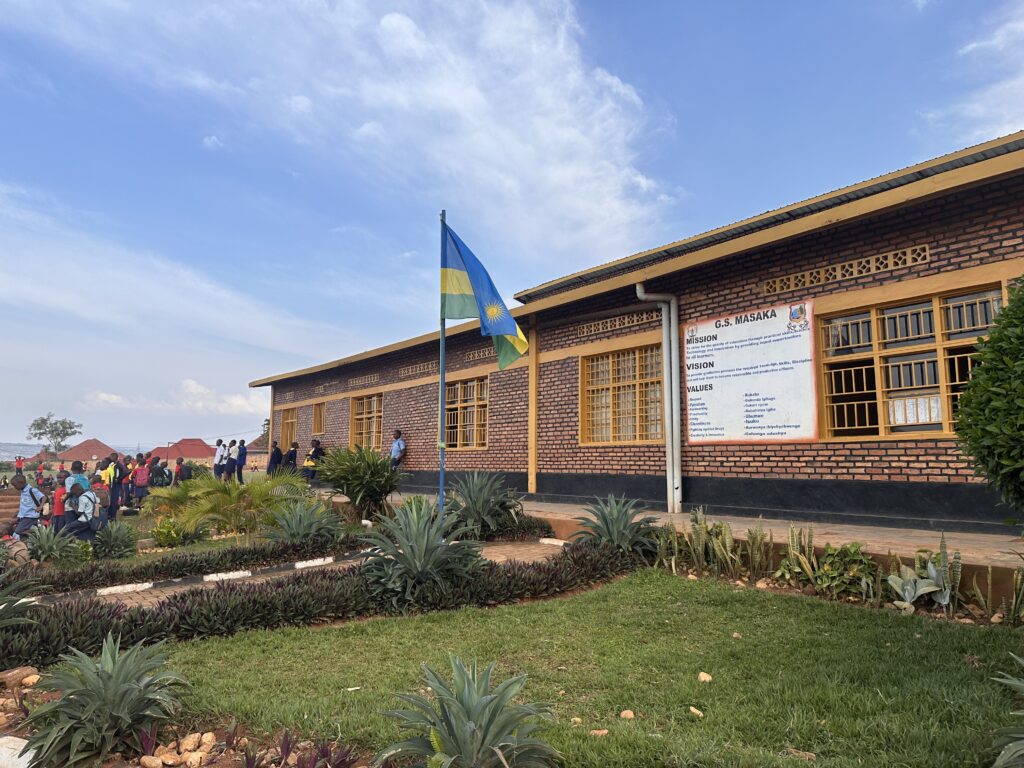
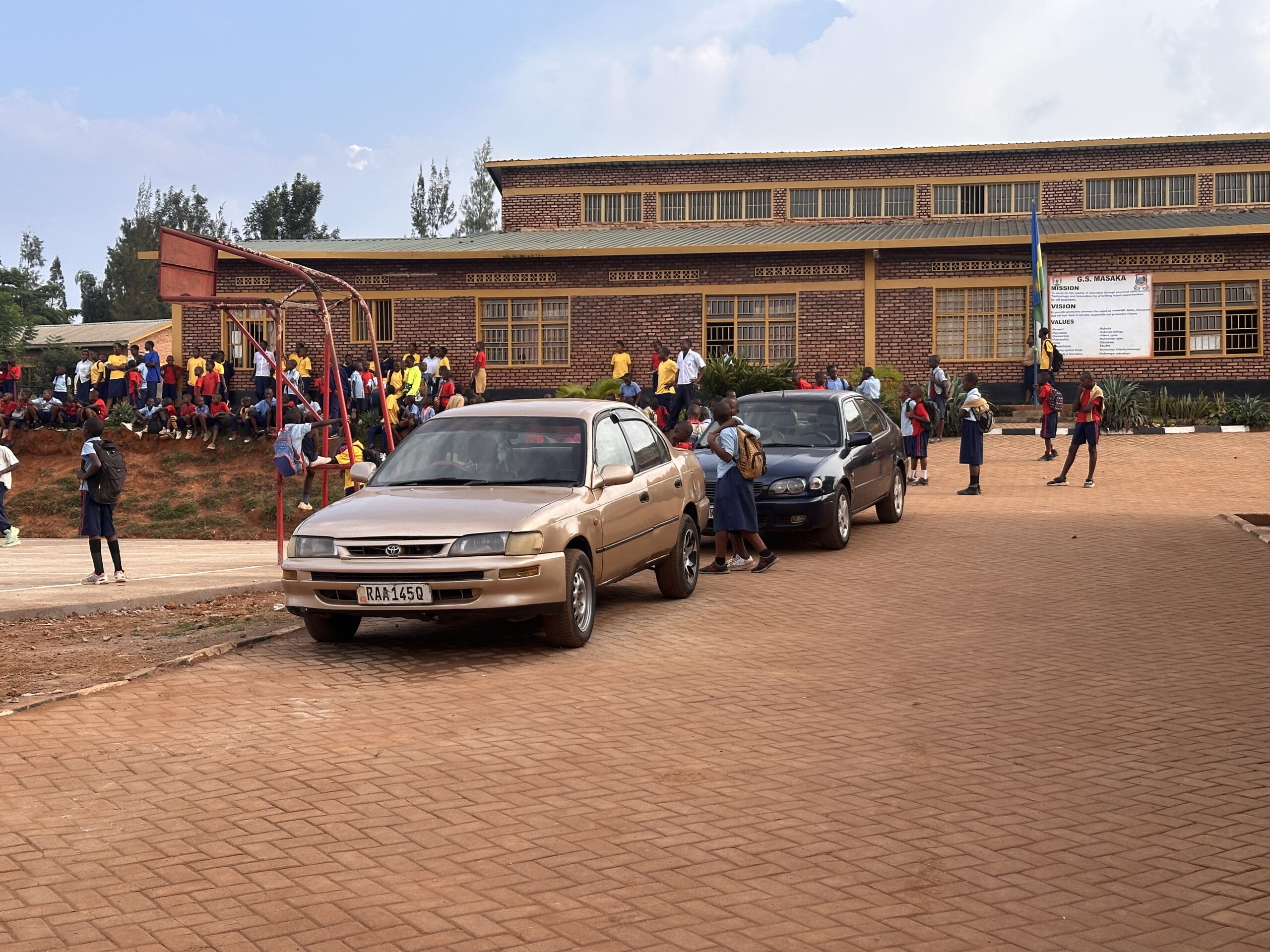
Groupe Scolaire Masaka. Photo: The Bridge
At this school, cases had been reported of students being sexually abused while coming to or leaving school by people from outside the school. As a result, an anti–gender-based violence club was established to equip students with knowledge about violence and ways to protect themselves from it.
Groupe Scolaire Masaka has 2,030 students, including nursery, primary, and secondary levels; all students are day scholars. On their way to and from school, some students have been sexually abused or raped.
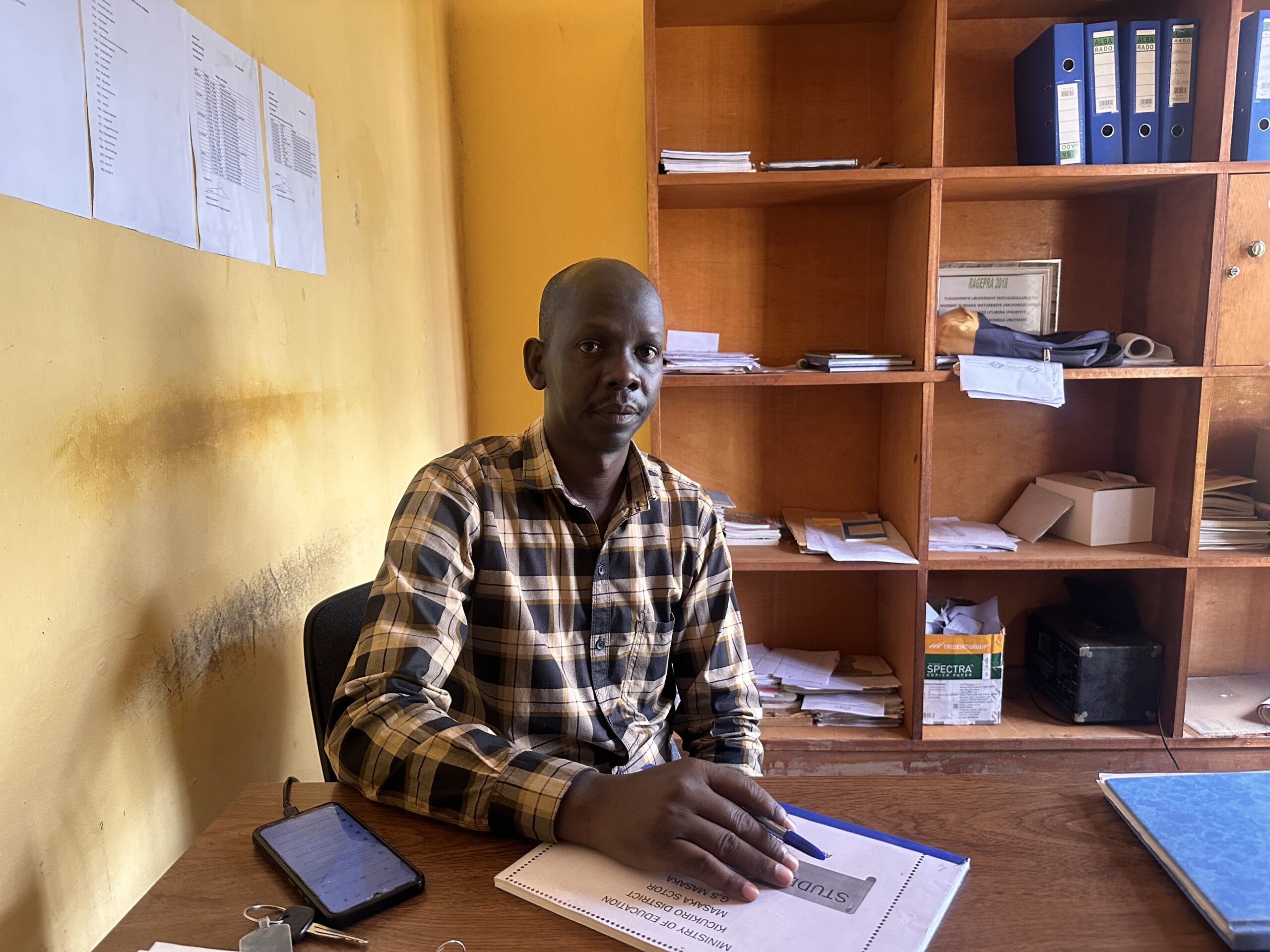
Murenzi Dieudonné, the deputy headteacher in charge of student and teacher discipline at GS Masaka, says the gender-based violence prevention club officially started at the end of 2023, although before that there was a general club dealing with crime prevention; the two were later separated.
He explains that whenever a student faces a problem, it can be reported through the club or individually. Both the club and the school at large organize talks on gender-based violence in collaboration with various partners.
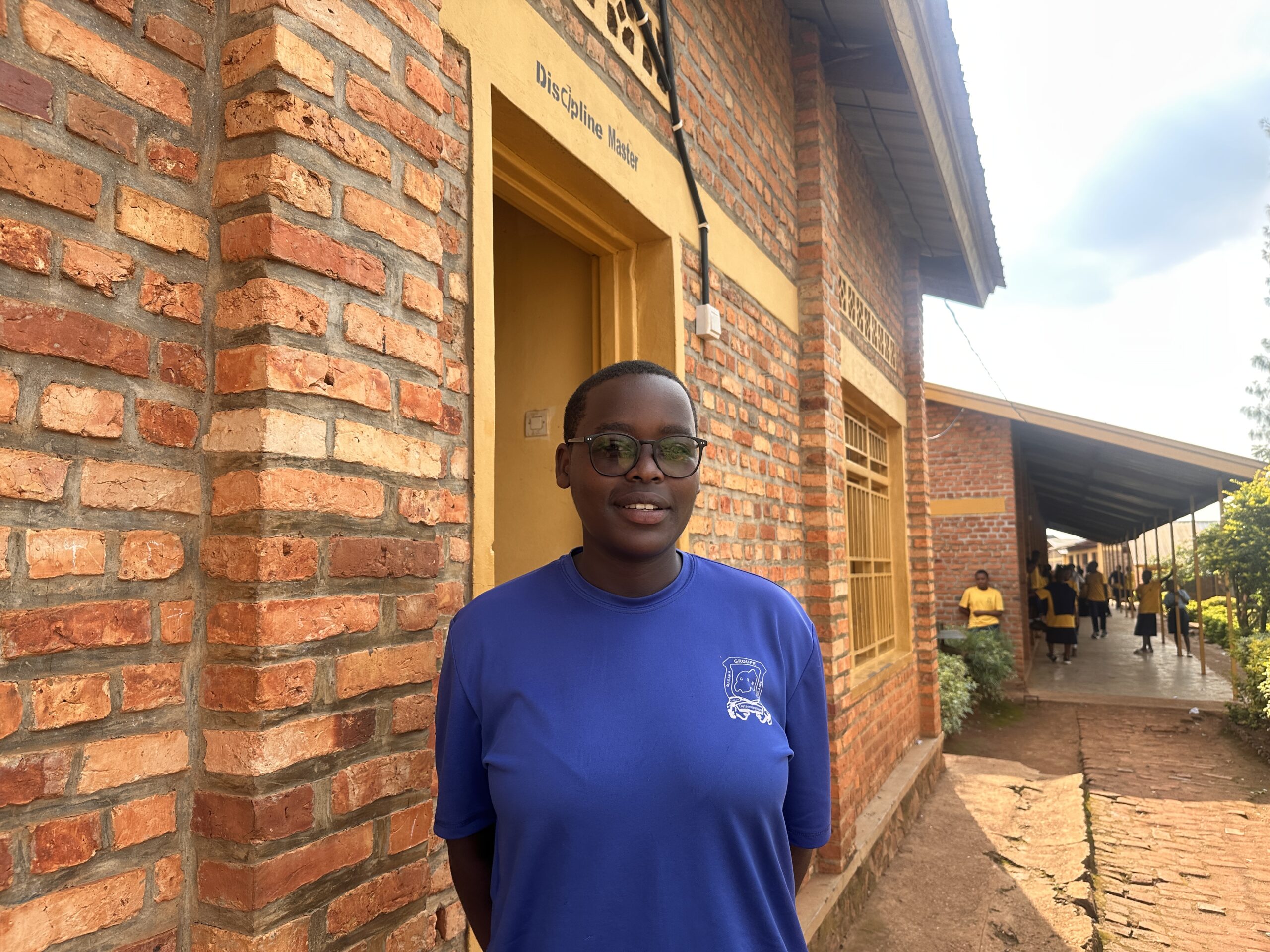
Umuhire Gloria, a student at Groupe Scolaire Masaka and the vice president of the anti–gender-based violence club, is in Senior Five. She says that outside the school there are many cases and complaints of people being abused in different ways, including sexual harassment and rape.
She notes that such violence has serious consequences for students. “For example, dropping out of school, a decline in academic performance because the victim keeps thinking about outside problems, and sometimes severe depression. This club helps us access important and comprehensive information,” she says.
Within the club, Umuhire explains that most complaints they receive involve harassment between students and the use of abusive language. However, these have decreased as students have learned to respect one another. What still worries them most is the violence students face outside the school, although this too has reduced.
She adds: “On one side, there are students who are abused without being offered anything; on the other, some are lured with gifts. We advise them not to go to unsafe places and we talk to them about reproductive health. Sharing information among peers helps us prevent abuse.”
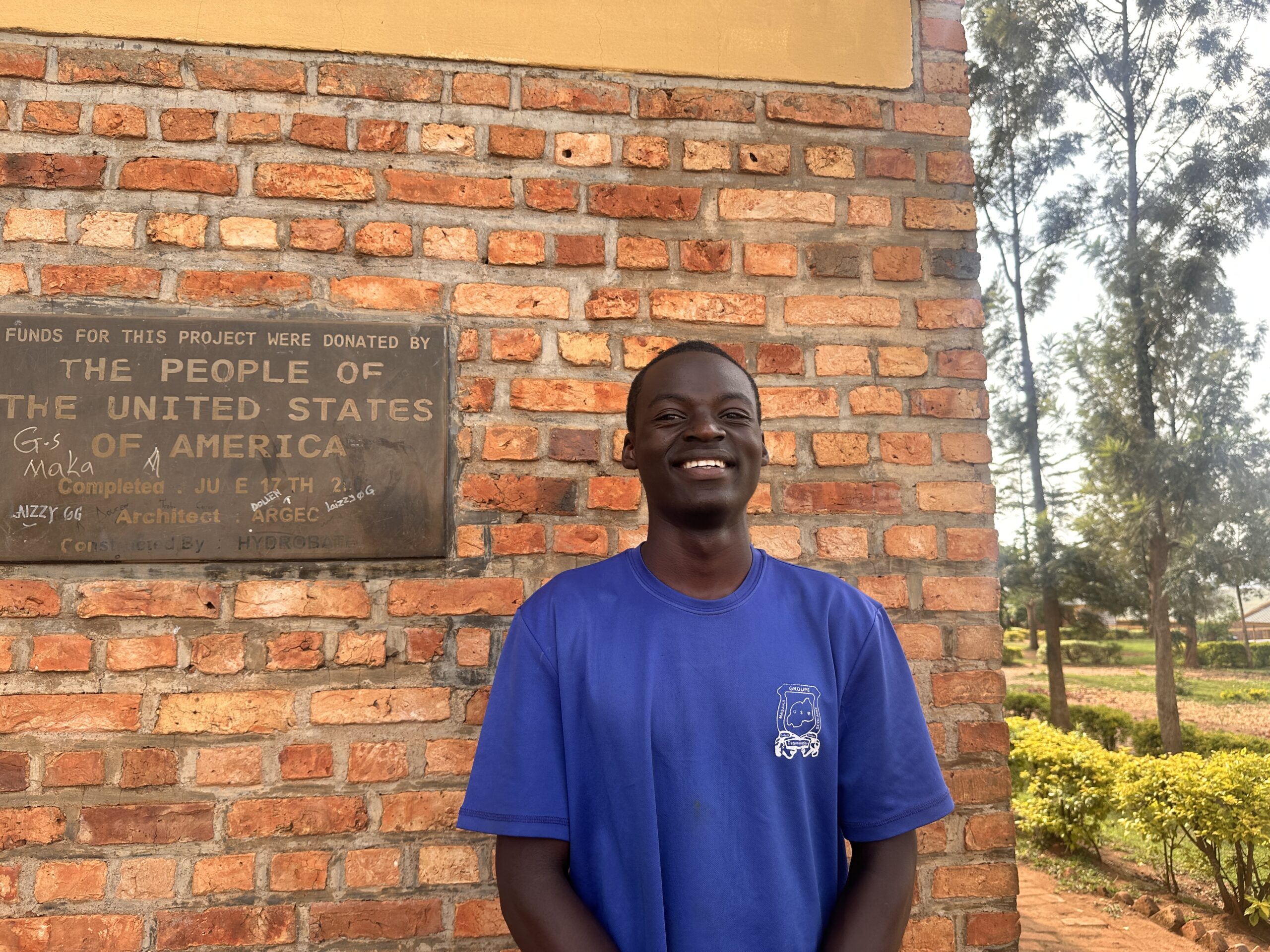
Isaac Niyobuhungiro, the president of the anti–gender-based violence club and a Senior Six student, says they collect information from students or use signs they observe outside the school to prevent violence. He gives an example: “You may meet a sugar daddy or sugar mommy who tells you, ‘Let me buy you a phone or give you money if you do this or that.’ You must avoid such situations.”
GS Masaka: Day students sexually abused by people from outside
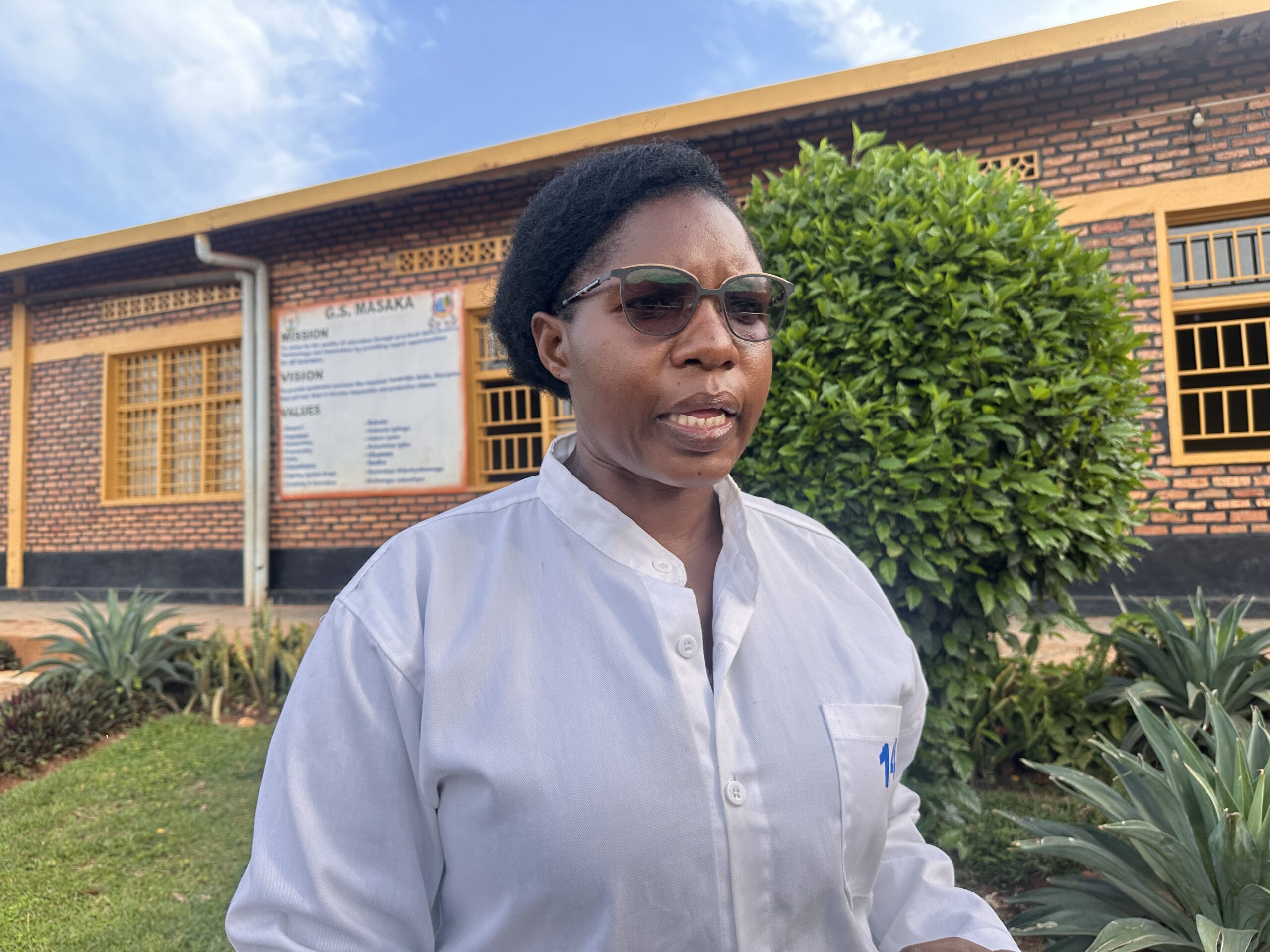
Uwantege Stéphanie, a teacher at Groupe Scolaire Masaka with over 20 years of experience at the school, says she has witnessed cases of abused students. She recounts: “The first case I saw involved a Primary One pupil. A man sexually abused the child after luring her with mangoes. At the time, this area was still rural with many trees. The man told her to come and pick mangoes, then abused her. When the child arrived at school, we immediately noticed something was wrong. We talked to her, she told us what had happened, we informed the authorities, the child received help, and the man was arrested and imprisoned.”
Murenzi Dieudonné, who has worked at the school for 10 years, adds: “In the past two years, I handled a case of a Primary Three pupil who came to school after being sexually abused, with evidence still visible. We took her to the Masaka Isange One Stop Center where she received assistance. The Police and RIB continued searching for the suspect; he initially escaped, making it difficult to arrest him, but he was later found. The parent followed up the case.”
The students also witnessed cases of gender-based violence
Umuhire Gloria says: “You may find a 12- or 13-year-old child abused by an adult man. We help by referring them to places like the Isange One Stop Center and advising them to avoid temptations that often lead to violence.”
Her colleague Isaac Niyobuhungiro adds: “Some students drop out of school because they get pregnant early. Sometimes you study with someone today and meet them later with a baby. Some never return to school, but there are warning signs beforehand. For example, pregnancy does not just happen without prior contact. In the club, we encourage students to report any violence they experience, and we pass the information on to the school authorities.”
Isaac also notes that they need more teaching materials to be more effective in educating students about gender-based violence.
Ihirwe Nice Rosine, a parent with a child in Primary Six, says parents play a major role in protecting their children from all forms of violence by talking to them daily and becoming their closest friends. She says: “A child may meet someone who lures them with sweets or money, or threatens them by saying, ‘If you don’t do this, I will harm you.’ I tell my child that these are just threats meant to stop them from telling their parents. I tell them that if they face such a problem, they must come and tell me as their parent.”
She continues: “I am her mother, but also her friend. I made her my friend so she can feel free with me. I guide her, but I am also her close friend. We talk. She may ask me for something I cannot provide at the moment and say that someone else promised to give it to her. Just because I cannot give it now does not mean she should get it in a bad way. I may refuse because I lack the means at the time, but if the means become available, I will give it to her; if not, she should not seek it elsewhere.”
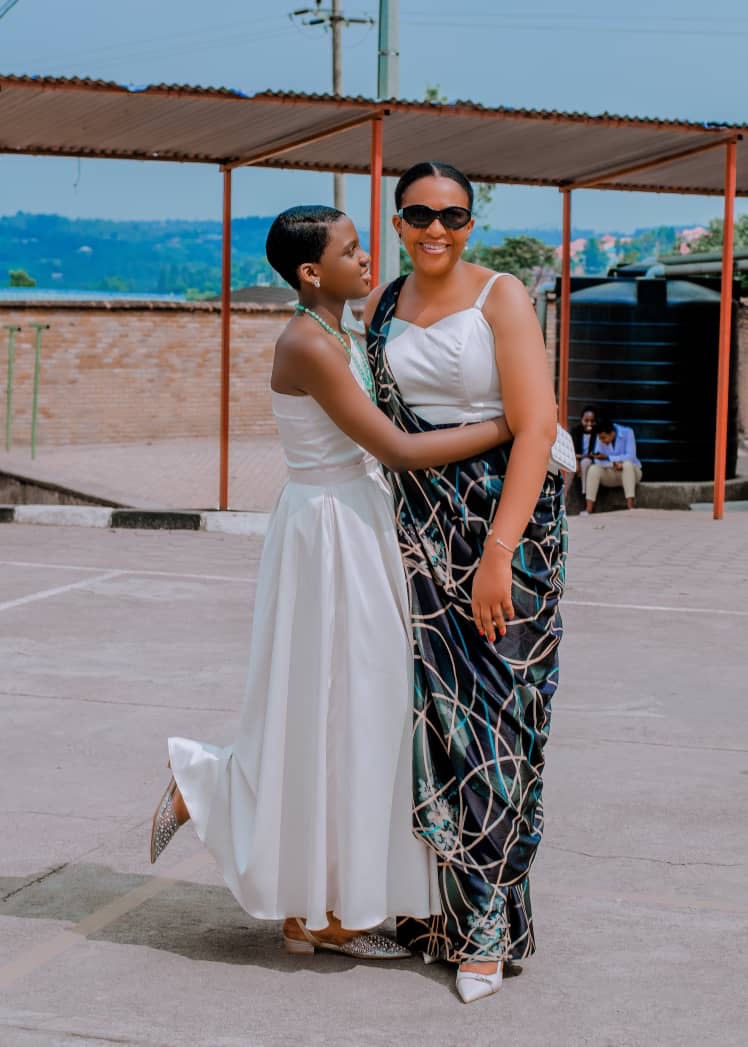
Mitali Lydia, Girl’s education and advocacy manager at the Young Women’s Christian Association (YWCA), says it is impossible to accompany every student to where they live, which is why these clubs were established to help students understand their rights, learn the tactics used by abusers, and receive education on reproductive health.
She says: “Before, children were abused and kept silent; you would see a girl pregnant and unable to tell you who abused her. Now they are taught their rights and the tricks abusers use.”
She adds: “You cannot know what kind of violence a child faces on the way to school, but the first step was ensuring children have knowledge. Someone would pretend to be kind and say, ‘Let me help you with a notebook or body oil , and the child would think it was compassion, yet the person had a mission to exploit them.” Lydia says these clubs and teachers help student’s access information on reproductive health, and teachers become more vigilant.
While teaching materials are not yet available, Lydia explains that students are of different ages, so teachers rely on existing general materials, as content taught in schools must be approved. She says materials must first be validated by Rwanda Basic Education Board (REB), Ministry of Education (MINEDUC), and others. In the meantime, teachers and clubs are encouraged to help students through discussions, sharing experiences, and learning how to protect themselves, with those who reported cases early sharing their experiences with others.
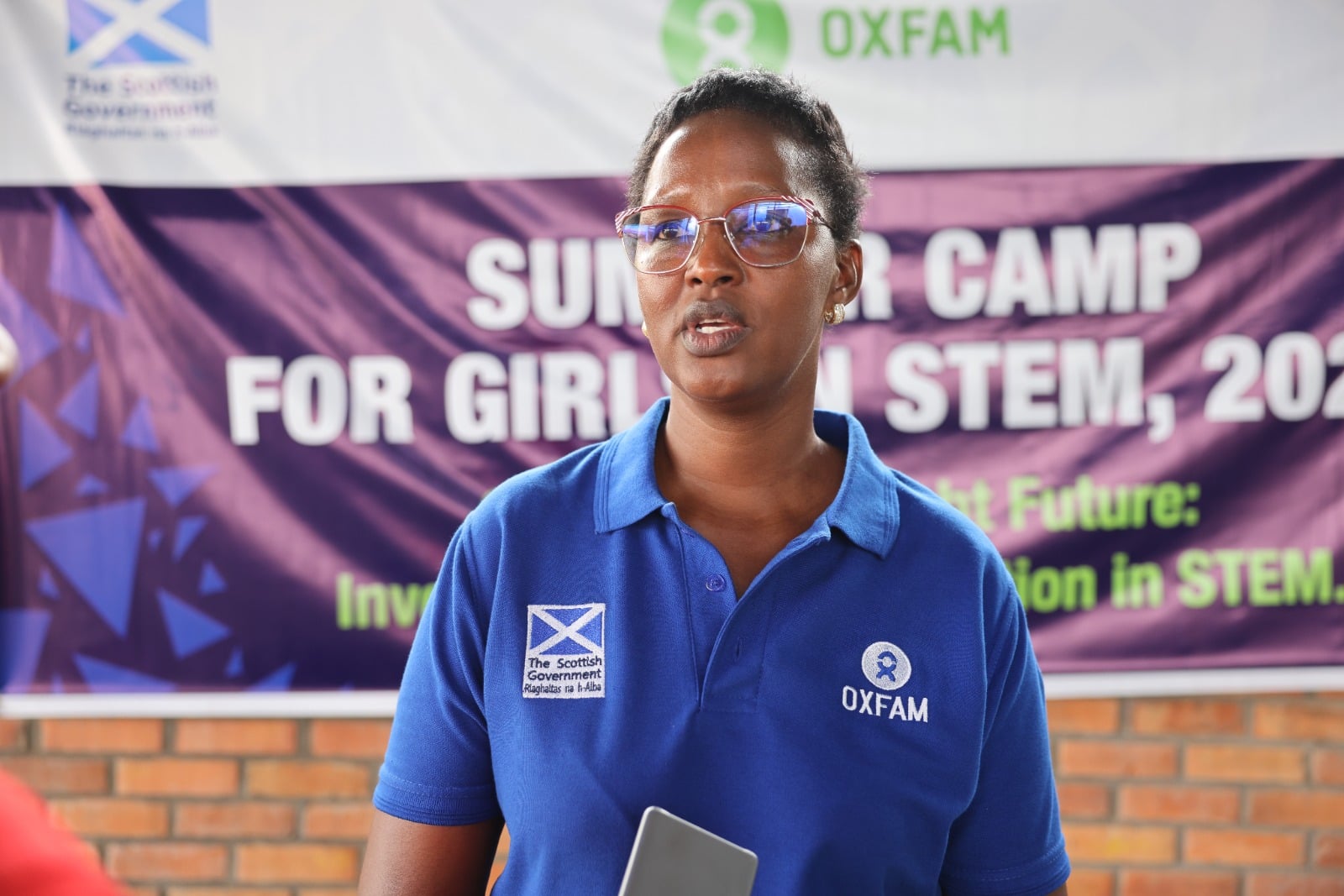
The Ministry of Education urges students to be vigilant
For students who face abuse on their way to and from school, the Ministry of Education advises the following:
Victims are encouraged to report quickly to institutions that provide support, such as the Isange One Stop Center, before evidence disappears, so that perpetrators are punished and victims receive psychosocial support to prevent long-term trauma.
Children are also trained to speak up about abuse, breaking the harmful culture of silence and fear. This is done through gender clubs and other approaches, including messages delivered during morning assemblies and other methods chosen by schools.
Students are taught how to choose good friends and distinguish between those who approach them with harmful intentions and genuine friends.
Parents are also trained to build deep friendships with their children so that if someone tries to exploit them, they will report it to their parents in time, preventing the crime before it escalates. Parents are encouraged to discuss reproductive health with their children.
The Ministry of Education notes that a Comprehensive Sexuality Education Toolkit for Secondary Schools has been developed, and one for primary schools is being finalized. These materials teach children how to behave during adolescence, how to resist temptations, and how to confidently say NO and stand by it (being assertive).
A 2023 study conducted by Never Again Rwanda, the Young Women’s Christian Association (YWCA), and the Swiss Agency for Development and Cooperation (SDC) on violence against secondary school students in Kicukiro and Bugesera districts found that students experience violence both at school and outside.
Overall, 45% of students reported having been abused; 53% of the victims were girls. Among both girls and boys: 31.5% experienced verbal abuse and bullying, 24% suffered sexual violence, 43% were subjected to corporal punishment, 22% dropped out of school due to violence, 12% had unplanned pregnancies or married early, and only 8% reported the abuse, while 62% never reported it. Perpetrators included fellow students, teachers, and some school staff, accounting for 64% of cases.
The story by Umukunzi Médiatrice
About Author