
Eastern Province: Leaders Urged to Strengthen National Unity and Resilience
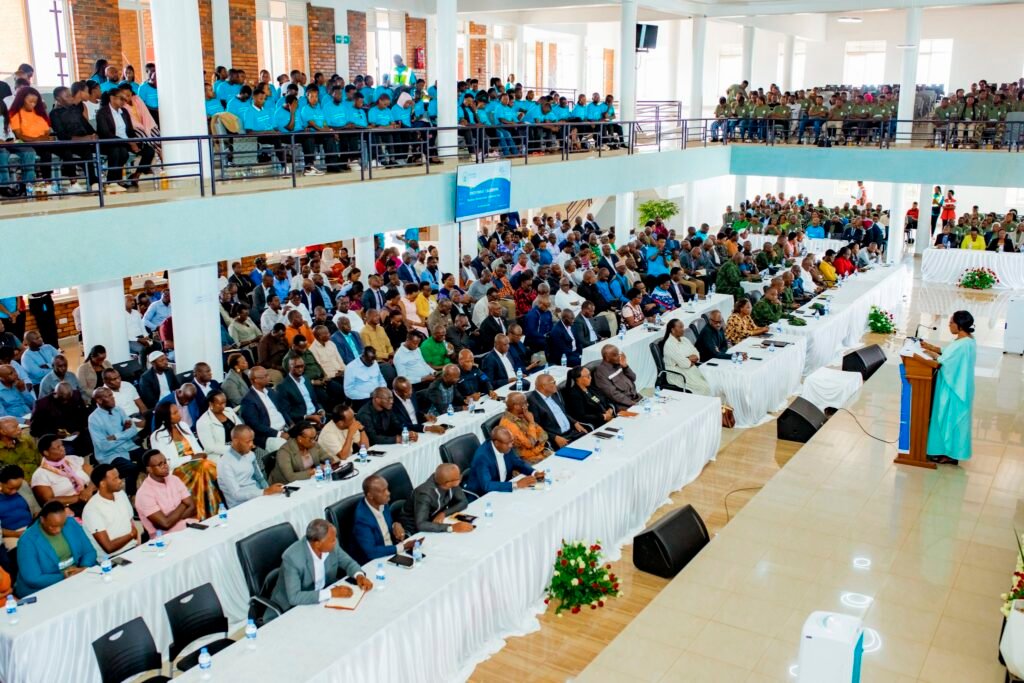
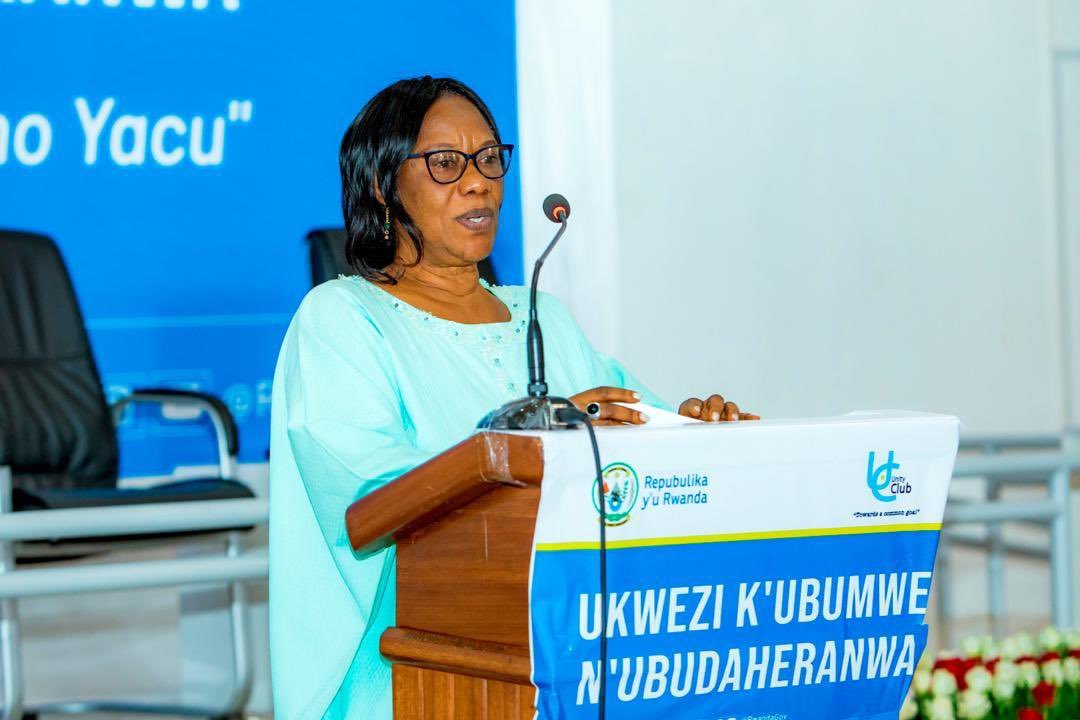
Rwanda’s Senate Vice President, Dr Alvera Mukabaramba, has urged leaders to remain committed to their responsibilities in promoting national unity and resilience, noting that poor leadership played a significant role in the history of divisionism, discrimination and the 1994 Genocide against the Tutsi.
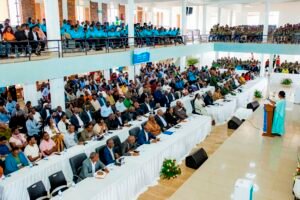
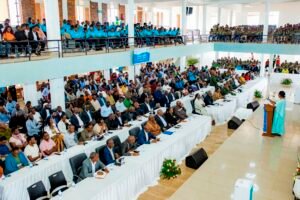
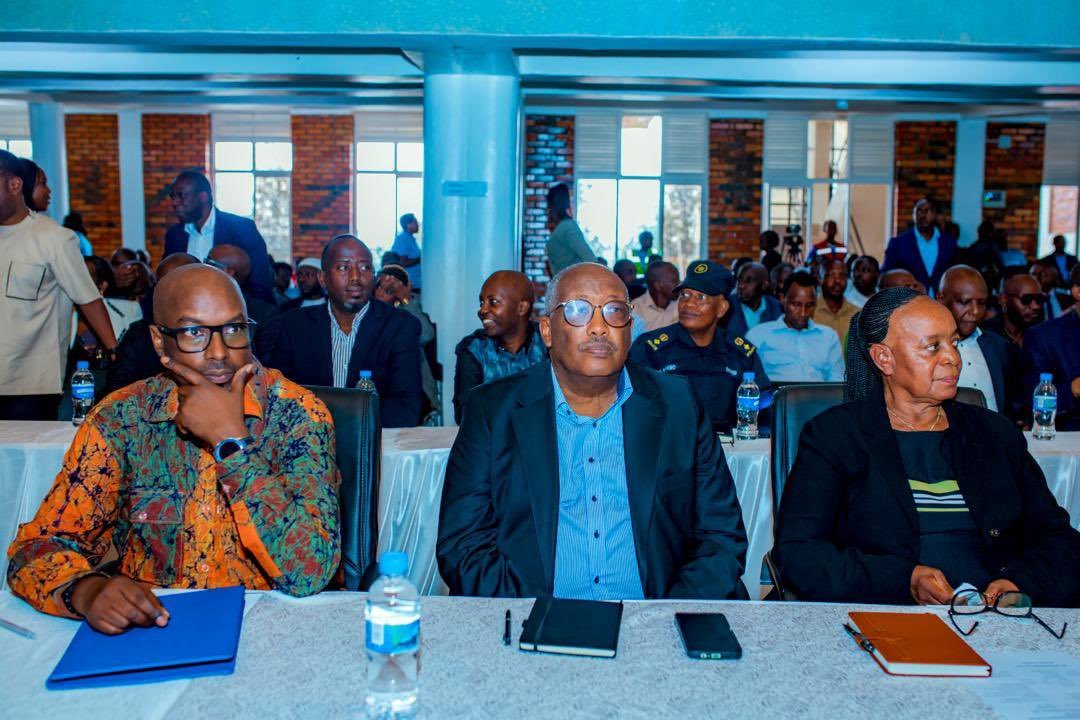
She made the remarks during a Unity and Resilience Forum held in Rwamagana District and organised by Unity Club Intwararumuri in partnership with Rwamagana, Kayonza, Ngoma and Kirehe districts.
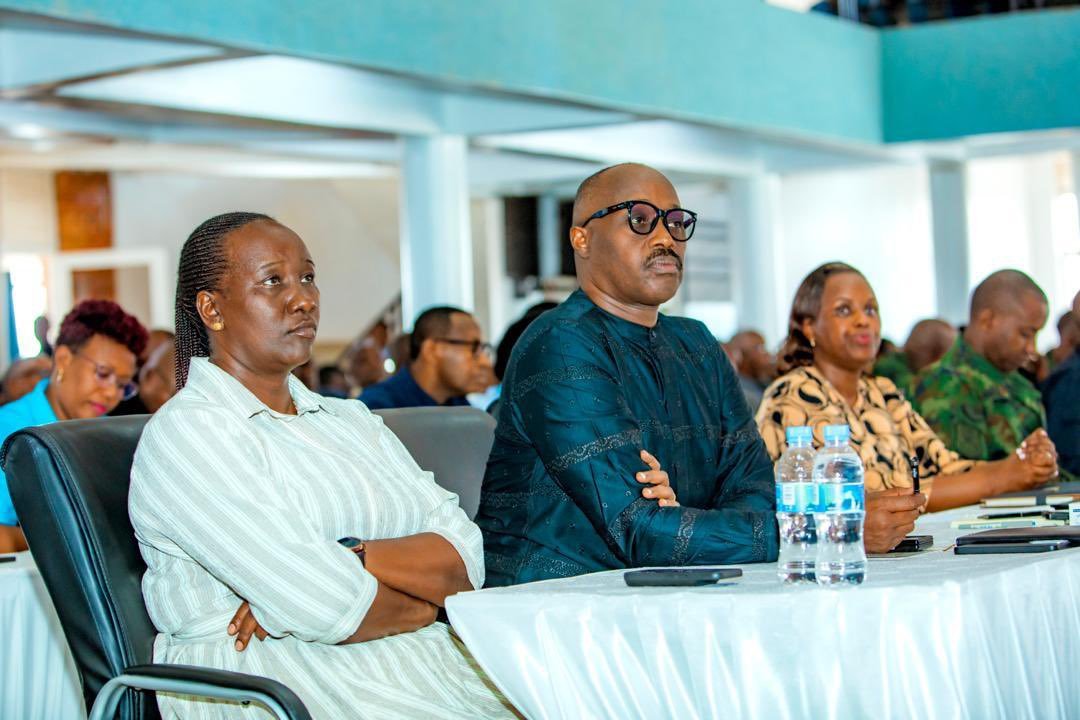
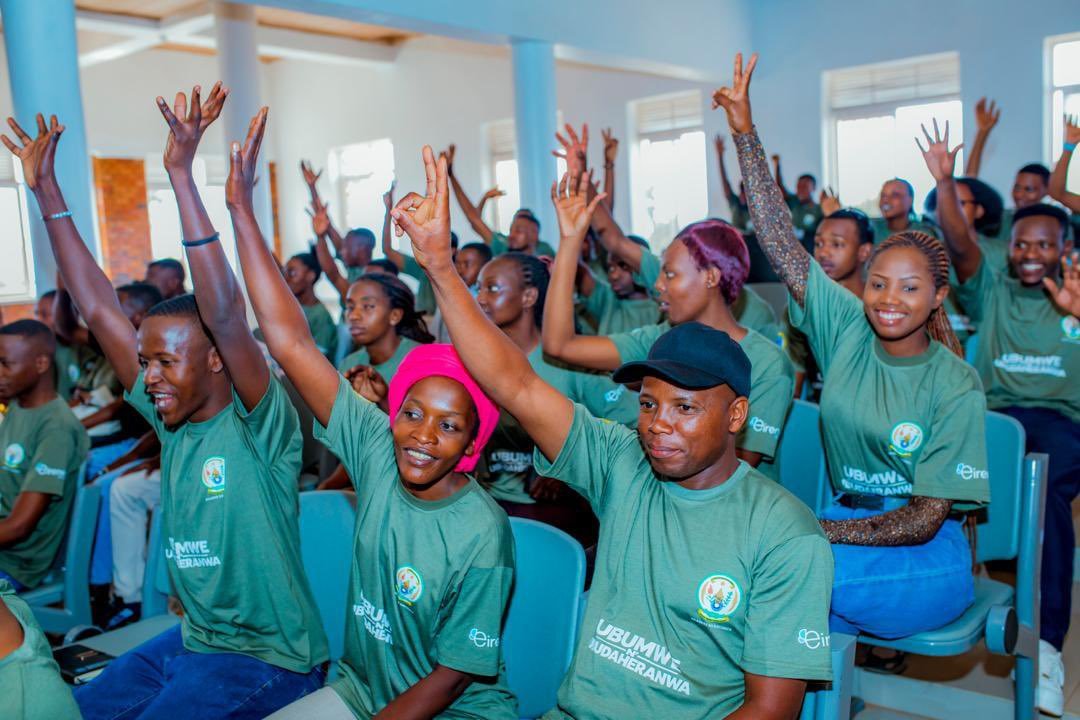
The forum was held under the theme “Unity and Resilience: Our Choice” and brought together government officials at national, provincial and district levels, development partners, religious leaders and young people.
Dr Mukabaramba commended the country’s leadership for providing a clear direction for promoting unity and resilience among Rwandans.
“I would first like to commend the leadership of our country, under the guidance of His Excellency President Paul Kagame, who has thought about our future and provided us with a clear direction on unity and reconciliation,” she said.
She explained that Rwandans had chosen unity, accountability and forward-looking leadership, principles that should guide leaders at all levels as well as citizens.
“I remember him saying that we chose unity, accountability and looking ahead. Every category has a way of being held accountable. When it comes to accountability and looking ahead, everyone can see that our President provides us with guidance that we must also follow,” she added.
Leaders urged to play their part in promoting unity
The Senate Vice President reminded leaders that poor leadership had played a major role in fostering divisionism and discrimination, which culminated in the 1994 Genocide against the Tutsi.
“I would like to address the leaders once again. All these events, including divisionism, discrimination and the Genocide against the Tutsi, were caused by bad leadership that supported them. Genocide cannot take place without the involvement of leadership,” she said.
She urged leaders attending the forum, including both those currently in office and those who had previously held leadership positions, to remain committed to promoting unity and resilience among Rwandans.
“I urge all the leaders gathered here, both those currently in office and those who previously held responsibilities, not to neglect their duties in upholding the covenant of unity and resilience among Rwandans. We must remain on the path we have chosen, and what we learn here should help us achieve complete unity and resilience,” she said.
Young people urged to build on the achievements of previous generation
Umutoni Liza, one of the young participants at the forum, said she had gained valuable knowledge about Rwanda’s history, particularly the impact of divisionism on Rwandan society.
“There are aspects of our history that we, as young people, do not fully understand. In particular, some members of parliament who attended the forum shared their personal experiences with us, explaining how identity cards were used and how divisionism existed in schools,” she said.
She emphasised that young people have a responsibility to build on the achievements of those who fought to liberate the country, reject divisionism and promote unity and resilience.
“What we must learn as young people is that some people fought for our country, and we must also contribute our efforts. We should continue pursuing our goals and building on the foundation laid by previous generations until we complete the work they started. We must reject divisionism because some people outside the country still hold such beliefs. We should help educate them about unity and resilience,” she said.
National unity index exceeds 95 per cent
The Unity and Resilience Forum was established in 2013 by First Lady Jeannette Kagame.
Figures presented at the forum indicate that the level of national unity has continued to exceed 95 per cent.
Among the four districts represented at the forum, the unity index stood at 98 per cent in Kayonza District, 97.9 per cent in Ngoma District, 97.1 per cent in Kirehe District and 96.9 per cent in Rwamagana District.
By Nyirahabimana Josephine
About Author